
The range runs from adhesive film you can apply in an afternoon to shutters that need exact measurement and permanent mounting. Privacy needs split the field: some options work all day, others only until you turn the lights on inside.
Woven wood shades filter daylight softly even when lowered, Roman shades fold into horizontal pleats at the top, and vertical blinds slide to one side to clear a door completely.
1. Roman Shades
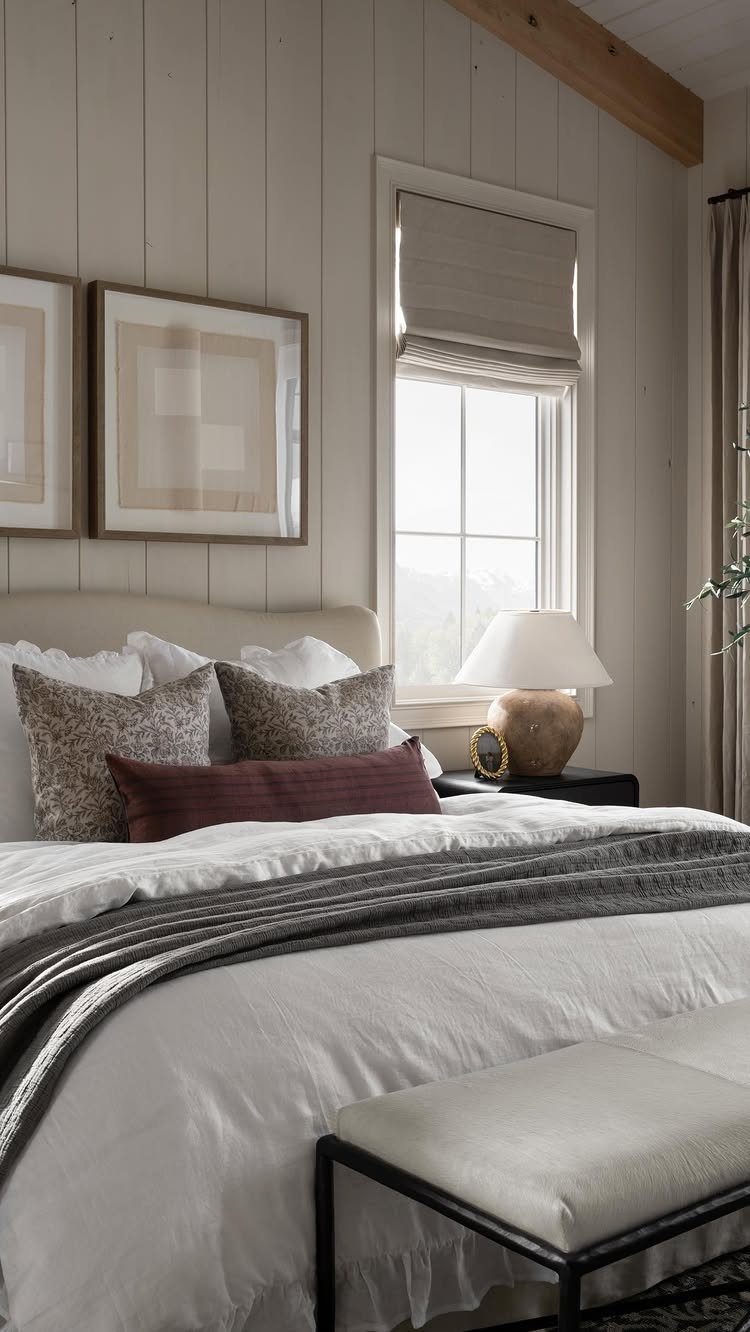
Fabric shades fold into horizontal pleats that stack at the top when raised, giving a clean, tailored look without the bulk of drapes.
They work well in bedrooms or living rooms where you want softness but not fabric pooling on the floor.
The advantage over curtains is control. Lower the shade fully for privacy, raise it halfway for diffused light, or pull it all the way up to clear the window.
Installation is straightforward if you mount inside the frame, and most fabric options are washable or easy to spot-clean.
A neutral tone suits almost any wall color and keeps the window from competing with the rest of the room.

Cordless Blinds: Filter out light with the Achim Cordless Light Filtering Mini Blinds. These lightweight, vinyl blinds with no cords to get tangled are child and pet safe. Durable, high quality construction resists warping, fading, and sagging.

Important measuring notes - The window blind listed measures 34 inches wide. If you choose to inside mount, and your window frame size is between 34.375 to 35 in. wide this faux wood blind is recommended. A wider window and there will be more of a light gap, a more narrow window and the faux blind will likely not fit; in these cases please look at our other size options. Please view more detailed measuring instructions for inside or outside mounting within the product images section.
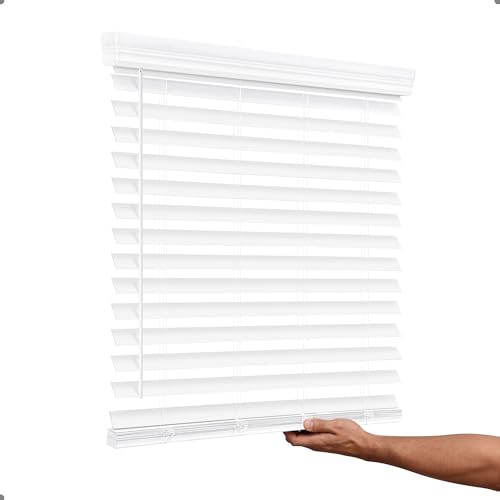
IMPORTANT SIZE NOTE – Precision Fit for Your Window This wood blind arrives exactly 33.5 inches wide, expertly crafted for a snug inside mount in a standard 34-inch window frame. Measure carefully before ordering – all sizes are "Width x Height". For outside mount, refer to our guide to select the ideal size. Perfect for window blinds for home and indoor use
2. Window Film
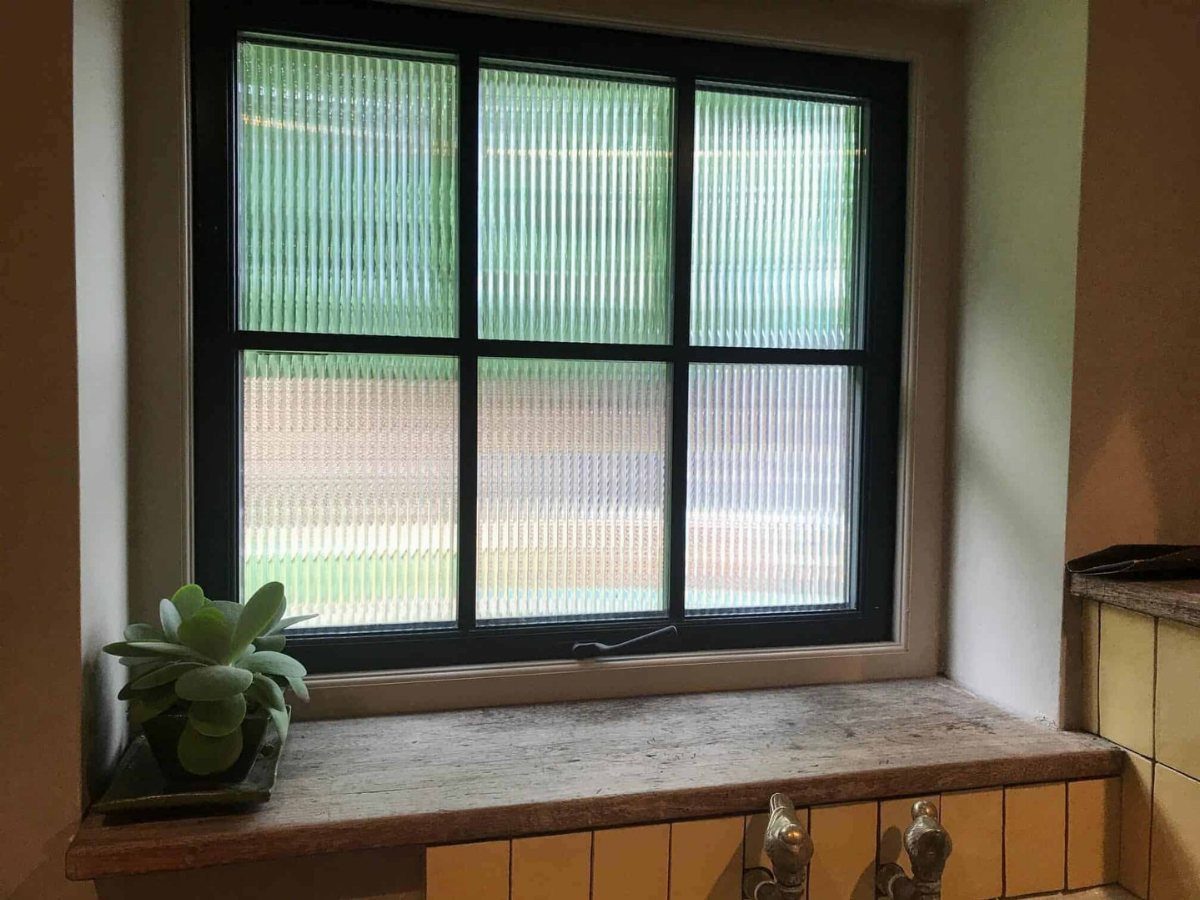
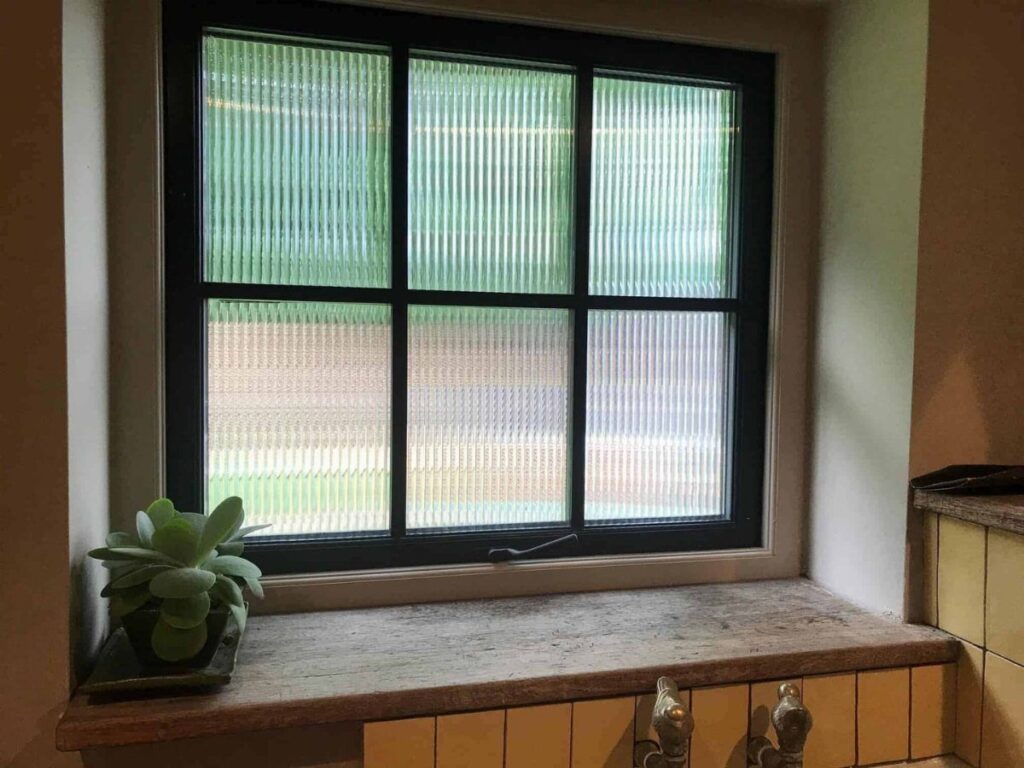
Adhesive film sticks directly to the glass and blurs the view without blocking daylight, which makes it a good fit for bathrooms, front doors, or street-facing windows where you need privacy but still want the room to feel bright.
Ribbed or frosted patterns are the most common.
Installation takes soap, water, and a squeegee, and removal leaves no residue if you need to take it off later. That makes it practical for renters or anyone who doesn’t want a permanent solution.
Film wears down faster than fabric or wood. Film can peel at the edges over time, especially in humid rooms, and it doesn’t insulate the way a shade or shutter does.

Note: 1. The protective film shall be removed before installing. 2. Please remove all excess water & bubbles in the end of installation steps. 3. The free tools are inside the paper tube.4. The frosted glass film can’t be used in frosted glass, cut glass and all of processed non-smooth surface glass.

PROTECT YOUR ALL DAY PRIVACY: KESPEN frosted glass window film with updated matte design, provide ultimate privacy level for day and night, 94% opacity but still allows light in, it can protect your private space from being monitored and disturbed,make you always feel safe and peaceful
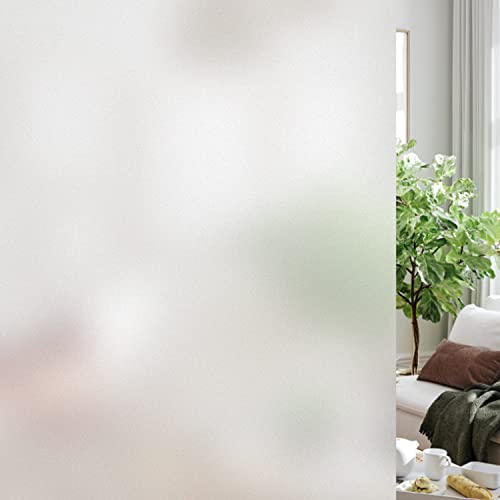
TWO-WAY PRIVACY PROTECTION: HIDBEA window frost film can provide 24h privacy to block unwanted prying eyes from outside and no one can see in, at a 4 inch distance, the effect of privacy can up to 95% without losing any natural light, which can help you live in a comfortable and safe place.
3. Woven Wooden Roman Shades
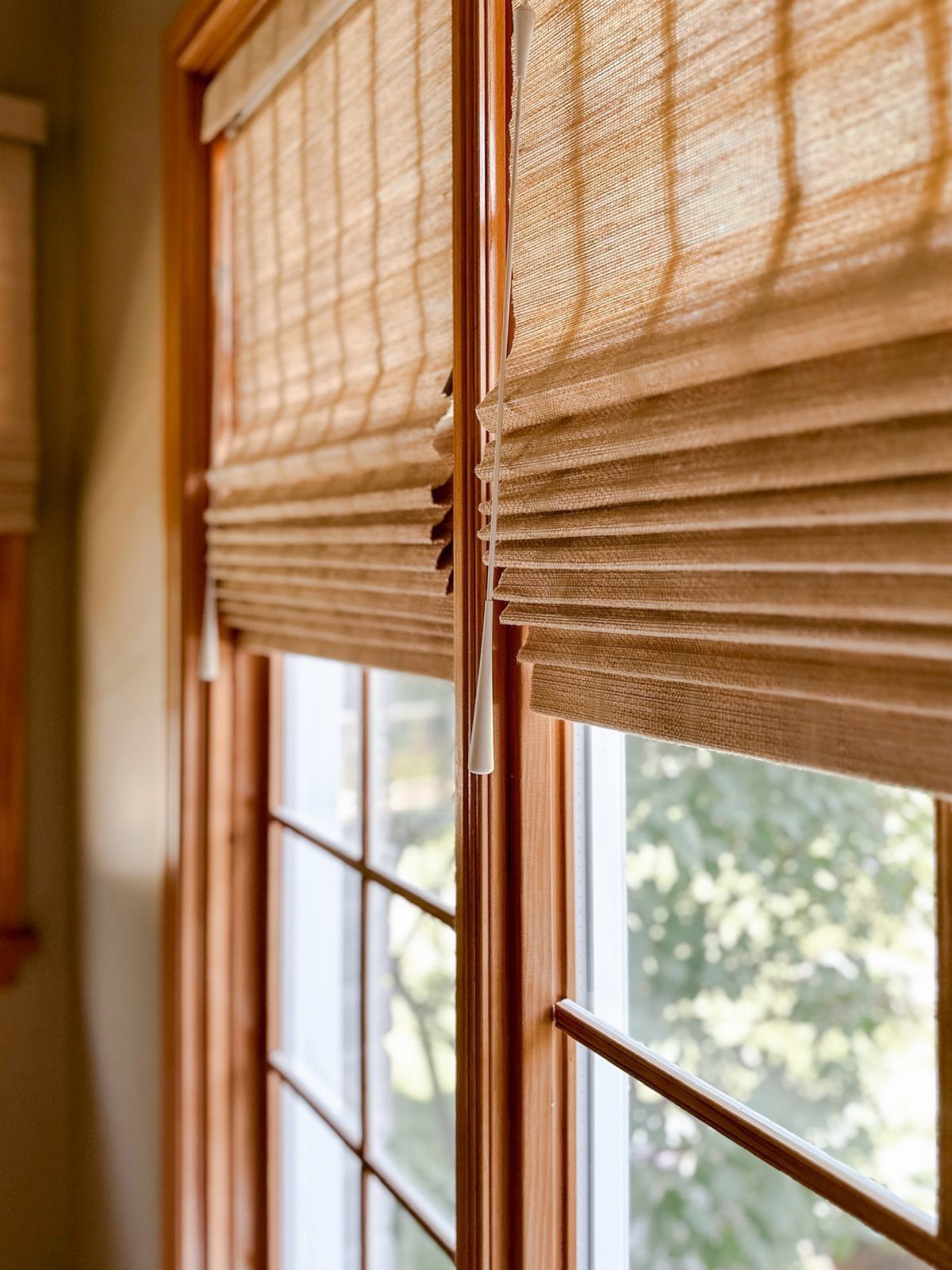
Woven wood brings texture to a Roman shade, combining the tailored fold of fabric with the warmth of natural materials.
The weave filters light softly instead of blocking it completely, so the room stays bright even when the shade is lowered.
Installation and operation are the same as a standard Roman shade, but the material makes the difference. Bamboo, reed, or jute each have their own look, and the tighter the weave, the more privacy you get.
I usually recommend these for living rooms or dining areas where you want something that feels less formal than wood shutters but more substantial than plain fabric. They pair especially well with warm whites or earthy walls.
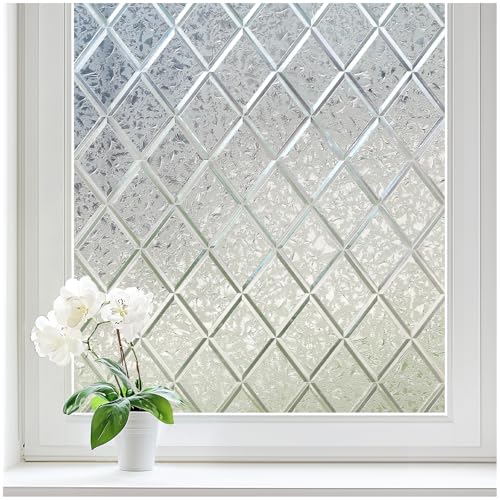
Elegant Glass Decor: Features delicate lattice patterns combined with irregular floral designs, recreating the look of luxurious decorative leaded glass. Ditch ordinary window films and effortlessly transform your space. Ideal for both homes and rentals
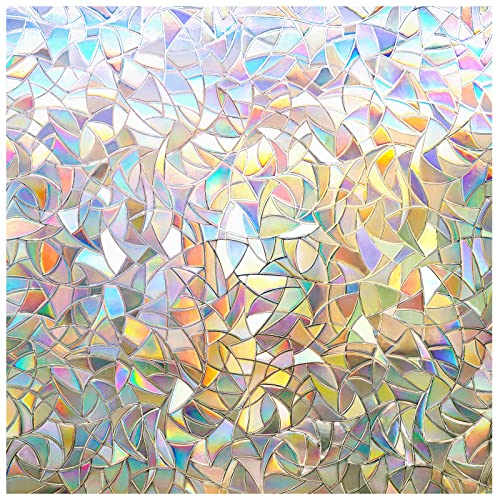
Striking Pattern, Stylish Decoration: With over 10 years of experience in window film innovation, rabbitgoo static film features unique irregular patterns that cast rainbow glows in sunlight, adding a stylish touch to your decor. A cost-effective alternative to bulky curtains, blending durability with everyday elegance

Creates privacy & Softly filters light provides UV protection, heat insulation
4. Blinds with Adjustable Slats
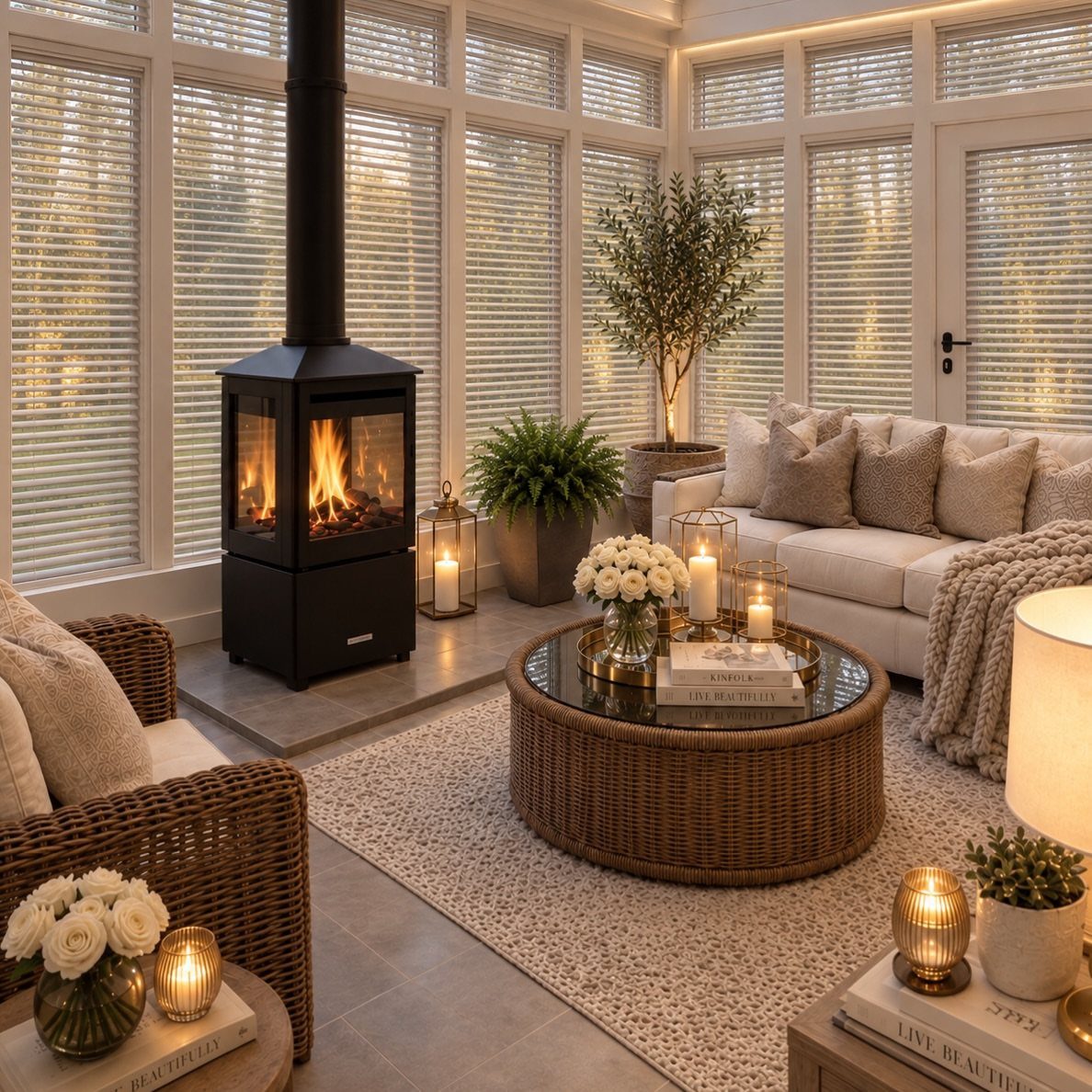
Slats tilt to control how much light enters and how much of the view stays visible, which gives more flexibility than a shade you can only raise or lower.
Tilt them almost closed for privacy, angle them up to bounce light off the ceiling, or open them fully to clear the window.
Horizontal slats are the standard, and they come in wood, faux wood, or aluminum. Wood slats add warmth, faux wood handles moisture better in bathrooms or kitchens, and aluminum is the lightest and least expensive option.
The downside is maintenance. Dust settles on every slat, so cleaning takes more time than wiping down a single pane of film or vacuuming a fabric shade.

REAL WOVEN BAMBOO CONSTRUCTION: Authentic natural bamboo fibers create a warm, textured roman shade with genuine tonal variation in every panel. Adds organic texture to modern organic, boho, coastal, farmhouse, and rustic rooms at an everyday price.

Important Inside Mount Measuring Instructions: This bamboo shade is the exact size you order - no deductions are made. Measure the width across the top, middle, and bottom of window. Ensure your window measures 34.25" - 35" wide for a 34" wide bamboo shade. This allows proper fit with minimal light gaps.See our images for a simple guide to measuring to get the ideal fit and coverage for your windows.
Important Inside Mount Measuring Instructions: This bamboo shade is the exact size you order - no deductions are made. Measure the width across the top, middle, and bottom of window. Ensure your window measures 34.25" - 35" wide for a 34" wide bamboo shade. This allows proper fit with minimal light gaps.See our images for a simple guide to measuring to get the ideal fit and coverage for your windows.
5. Plants by Windows
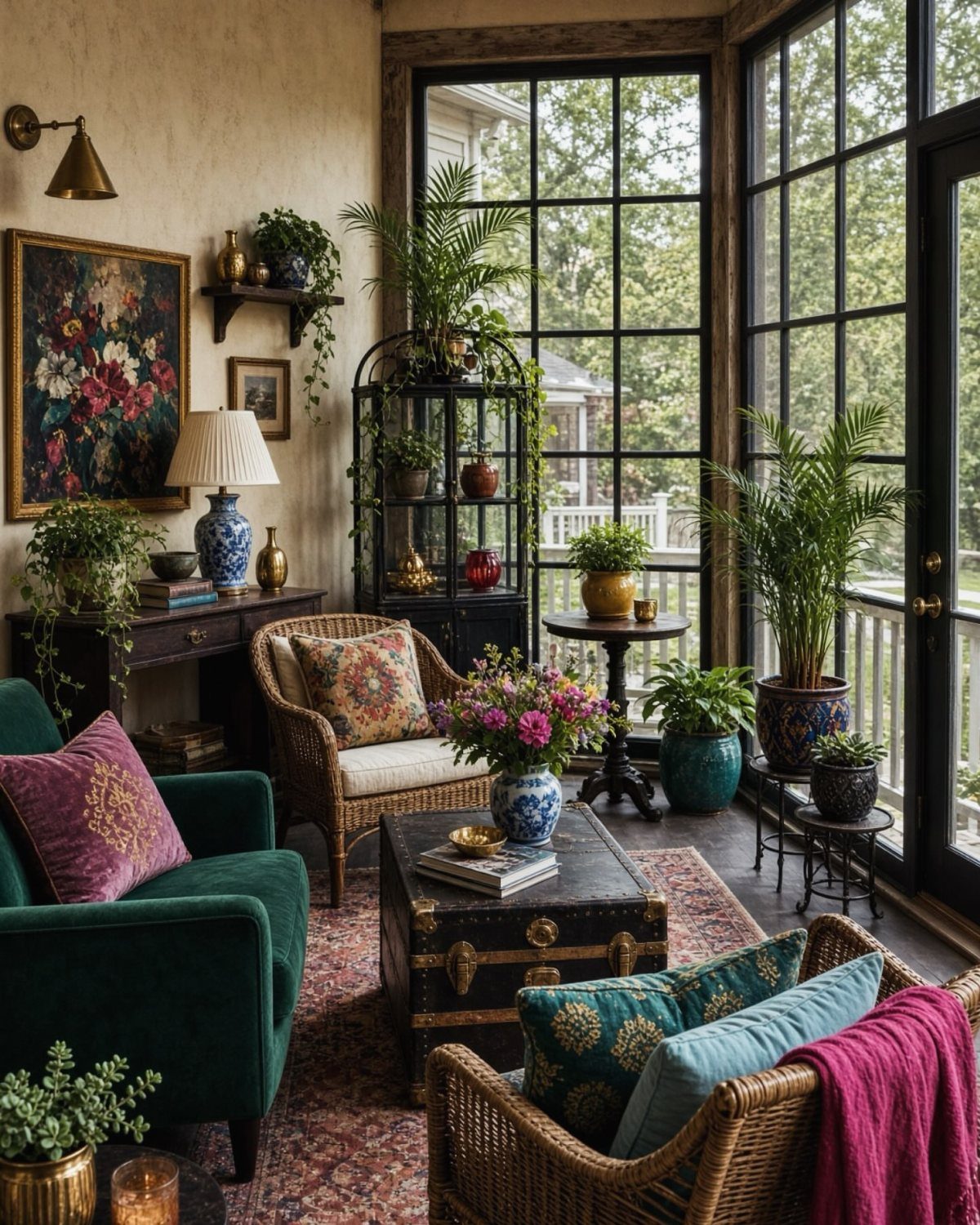
Lining the windowsill and floor with potted plants creates a living screen that softens the light and adds greenery to the room without blocking the view entirely.
It works best on windows that get consistent light but don’t need full privacy, like a corner in a living room or a sunroom with no close neighbors.
The challenge is upkeep. Plants need watering, occasional trimming, and the right amount of light to stay healthy, so this idea suits someone who already keeps indoor plants or is willing to start.
For privacy, layering plants at different heights helps. Taller plants in floor pots fill the lower half of the window, smaller ones on the sill cover the middle, and trailing varieties can hang from hooks above.

PREMIUM TASSEL CURTAINS:Our doorway curtains are made of high-quality polyester fabric,soft,breathable and durable,it is not easy to tear or fade,long lasting use.

Note:Because it is all handmade, please put it in the ventilation place when it is opened.

Large Macrame Wall Hanging Size: (W)39"X (H)31". Not Include Wooden Dowels. It is most suitable for windows that are approximately 39 inches in size. If the window size is either too large or too small, the effect may vary
6. Valances
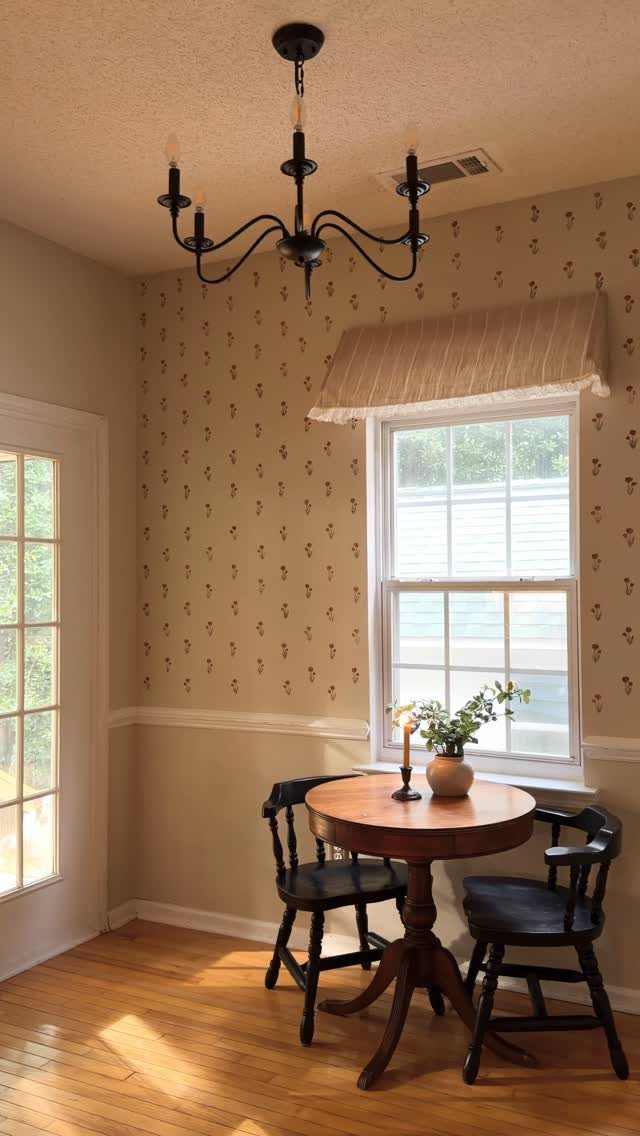
A valance covers the top portion of the window and leaves the rest of the glass open, which works when you want a finished look without losing daylight or views.
Installation is simple: mount a rod or board above the window, then hang or staple the fabric.
A valance doesn’t block light, control glare, or provide privacy, so it only makes sense where those things don’t matter. Pairing it with a shade or blind below is common when you need both decoration and function.
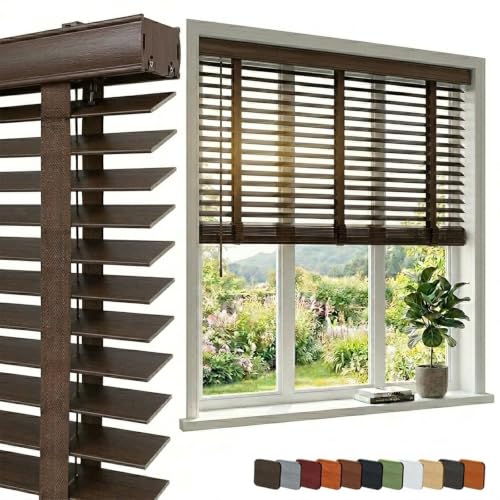
🌲 Solid wood blinds: crafted from premium solid wooden, these wood blinds offer anti-warping durability and rich texture. unlike standard privacy wood blinds for interior windows that fade over time, our wood blinds provide lasting beauty. available in white wooden blinds, black wooden blinds, and wood grain finishes, each features non-toxic, eco-friendly coating—safe for families. ideal as window shutters interior and plantation shutters for windows inside, they elevate any decor
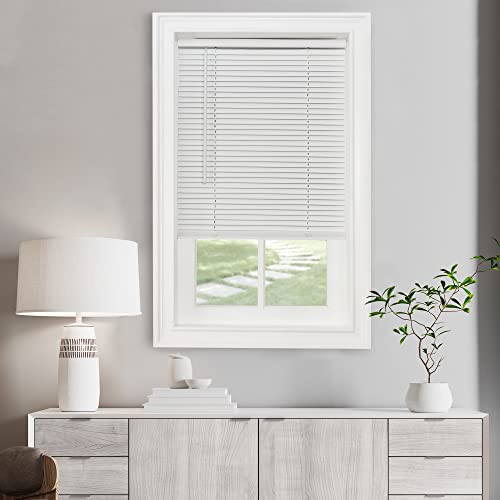
Cordless Blinds: Filter out light with the Achim Cordless Light Filtering Mini Blinds. These lightweight, vinyl blinds with no cords to get tangled are child and pet safe. Durable, high quality construction resists warping, fading, and sagging.
Important measuring notes - The window blind listed measures 10.5 inches wide. If you choose to inside mount, and your window frame size is between 10.875 to 11.5 in. wide this faux wood blind is recommended. A wider window and there will be more of a light gap, a more narrow window and the faux blind will likely not fit; in these cases please look at our other size options. Please view more detailed measuring instructions for inside or outside mounting within the product images section.
7. Bare Windows Uncovered
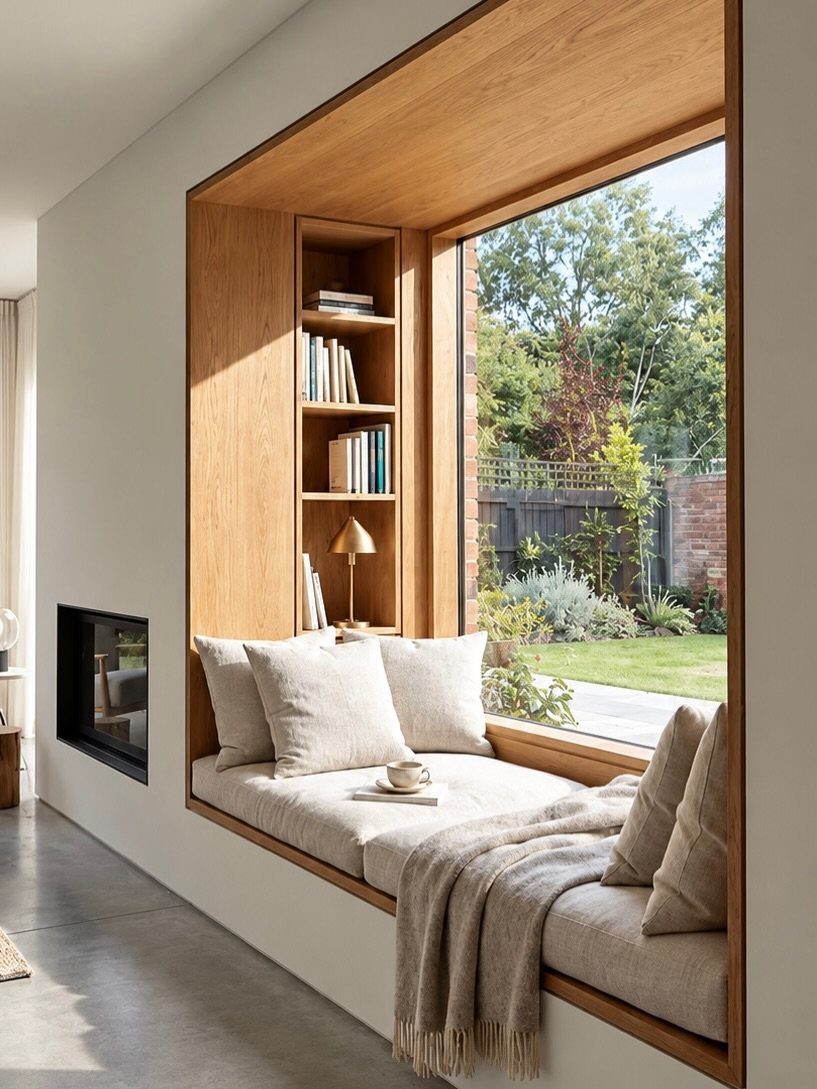
Skipping a window covering makes sense when the view matters more than privacy, or when the room already gets enough shade from a porch roof or trees outside.
Light fills the space without interference, and the window frame becomes part of the design instead of something to hide.
This works best when neighbors can’t see in, or when the window faces a backyard, a high floor, or an alley with no foot traffic.
In a bedroom or bathroom, bare windows are harder to justify unless frosted glass or distance solves the privacy problem on its own.
The room will be brighter in summer and lose more heat in winter, so location and climate matter.
The reasoning is this—even the sheerest curtain or most retractable blind is stealing a good chunk of your daylight.

Note: Not Suitable for Frosted, Cut, or Any Processed Glass with A Non-smooth Surface
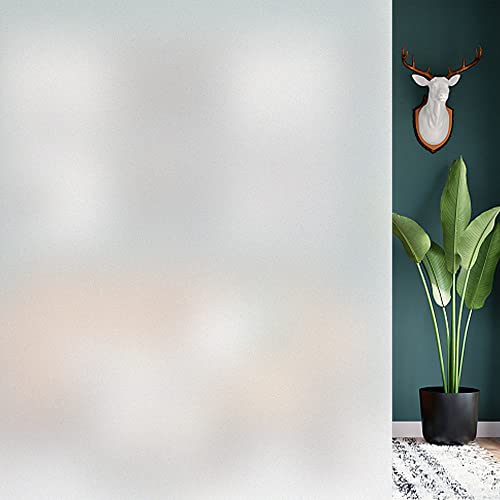
EXCELLENT PRIVACY PROTECTION: With Top Privacy Level, frosted glass window film provides 24-hour two-way privacy protection from prying eyes outside and allows soft natural light to enter. At a distance of 4 Inch from the glass, privacy of the window privacy film is ≥95%.

24/7 Privacy Protection: Create a pleasant frosted-glass effect that both obscures the view outside and allows soft light to enter, keeping the interior bright and airy. Designed with an opaque frosted texture, this privacy film blocks up to 96% of direct visibility, making it ideal for bathrooms, bedrooms, entry doors, and street-facing windows
8. Interior Shutters
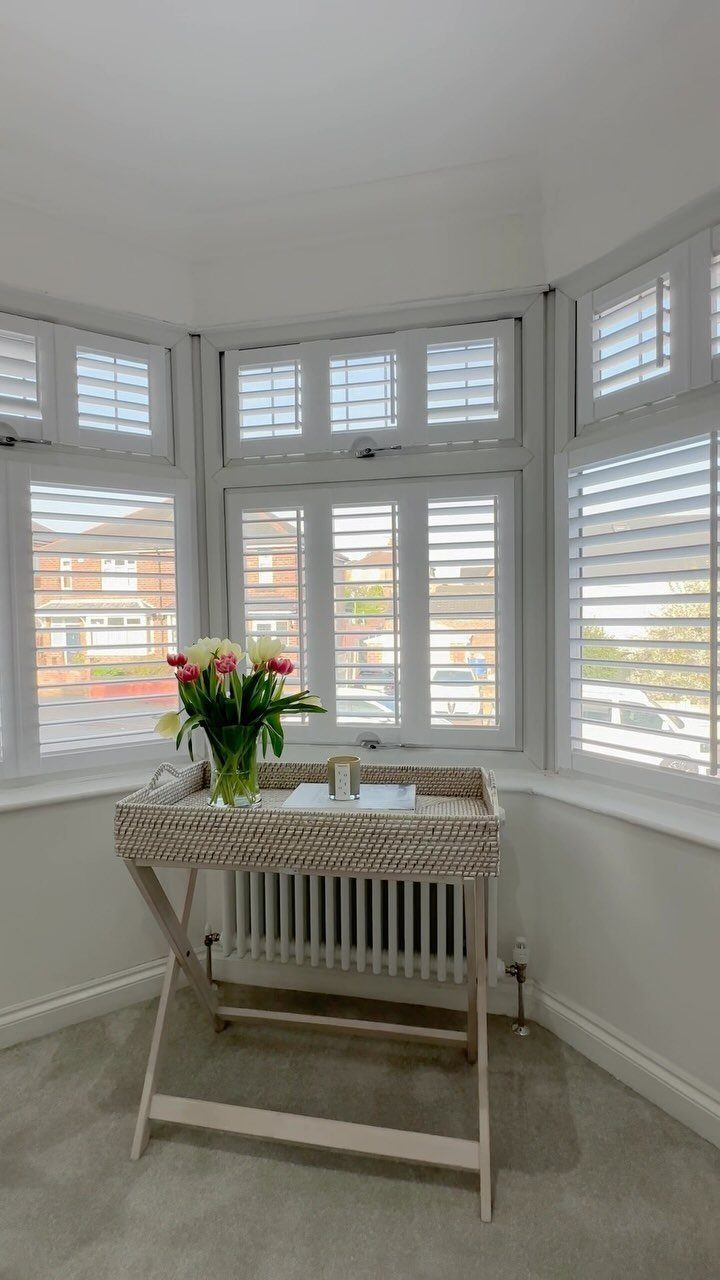
Shutters mount inside the window frame and fold open when you want the full view, or close with louvers you can tilt to control light and privacy at the same time.
They’re heavier and more permanent than blinds, which means they stay put and don’t sway when the window is open.
The main advantage is durability.
Wood or composite shutters hold up better than fabric or film, and cleaning takes a quick wipe instead of washing or vacuuming. Installation requires precise measurements, so most people hire it out or spend extra time getting the fit right.
Shutters add thickness to the window, which can interfere with trim or reduce how far the window opens.

Elegant Design: Want to decorate your home but have no idea? This window privacy film has the appearance of ocean waves when installed horizontally, adds flair to your windows while allowing plenty of light into your space. A good substitute of curtain, shutter, drapes on adornment performance

EASY INSTALL AND REMOVE - Static and self-adhesive, not need glue to paste. Tear off easily and not leave any trace

Privacy Protection with Natural Light: DKTIE window privacy film is a versatile solution to keep your home safe and protected from unwanted attention without compromising natural light
9. Vertical Blinds
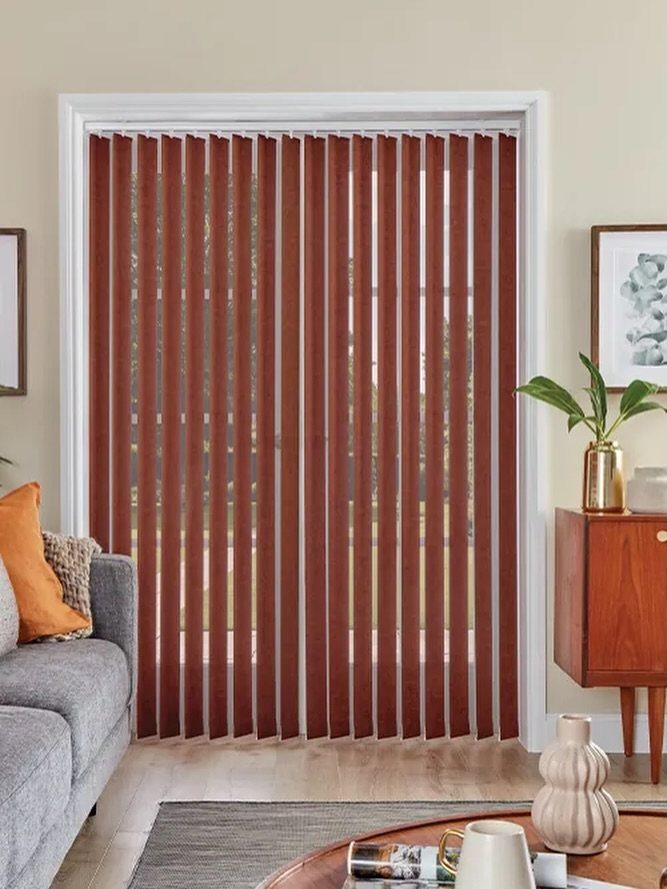
Slats hang vertically and slide to one side, which clears the opening completely when you need to walk through. That makes them a better fit for patio doors or any window wider than it is tall.
Vertical blinds come in vinyl, fabric, or faux wood. Vinyl is the least expensive and easiest to clean, fabric adds texture but collects dust faster, and faux wood looks warmer without warping in humidity.
The slats can get knocked out of alignment if kids or pets bump them often, and they tend to rattle in a breeze when the door is open. If noise bothers you, fabric inserts help dampen the sound.
Important Inside Mount Measuring Instructions: This bamboo shade is the exact size you order - no deductions are made. Measure the width across the top, middle, and bottom of window. Ensure your window measures 35.25" - 36" wide for a 35" wide bamboo shade. This allows proper fit with minimal light gaps.See our images for a simple guide to measuring to get the ideal fit and coverage for your windows.
REAL WOVEN BAMBOO CONSTRUCTION: Authentic natural bamboo fibers create a warm, textured roman shade with genuine tonal variation in every panel. Adds organic texture to modern organic, boho, coastal, farmhouse, and rustic rooms at an everyday price.

REAL WOVEN BAMBOO CONSTRUCTION: Authentic natural bamboo fibers create a warm, textured roman shade with genuine tonal variation in every panel. Adds organic texture to modern organic, boho, coastal, farmhouse, and rustic rooms at an everyday price.
10. Layered Window Coverings
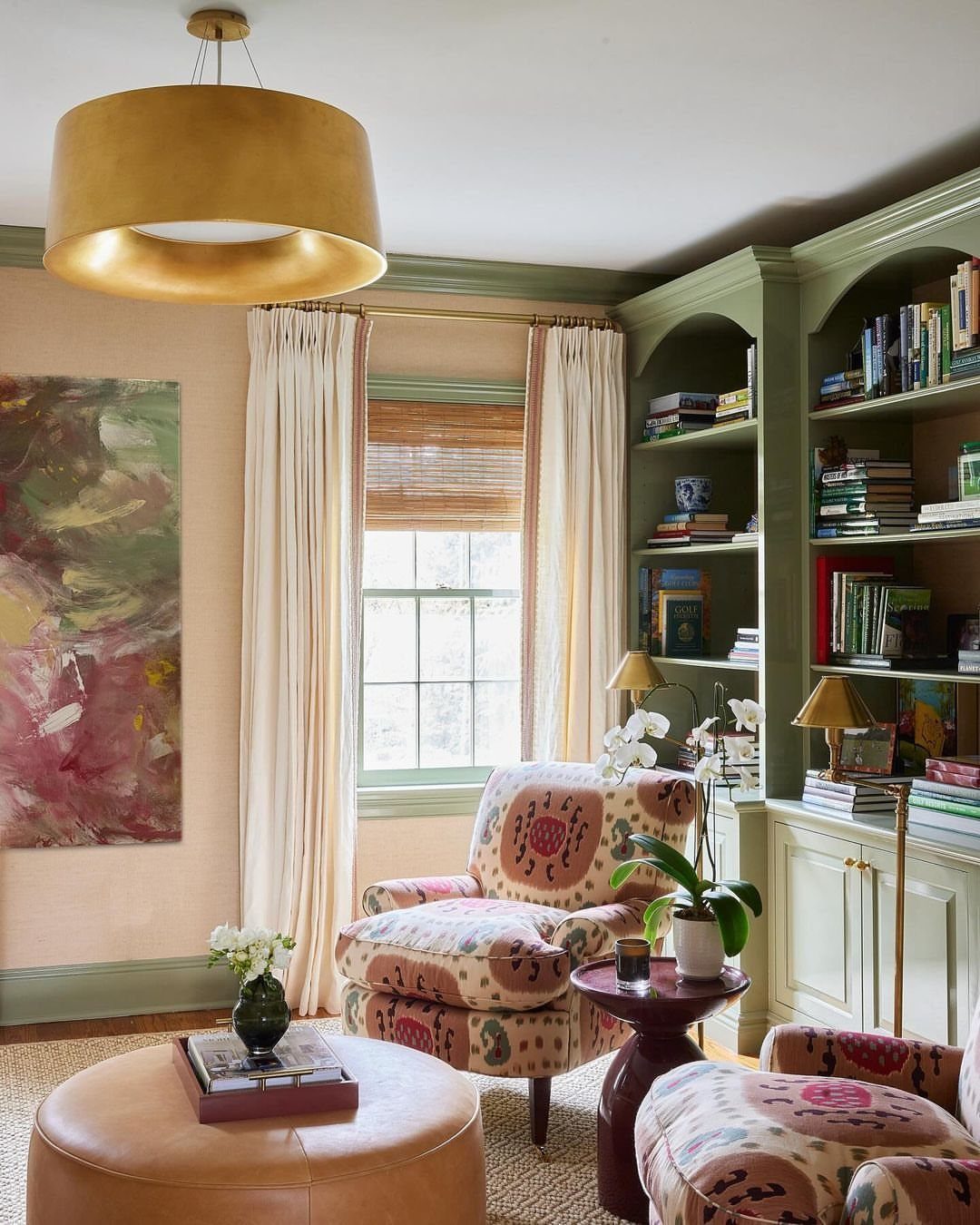
Pairing a shade or blind with a curtain panel gives 2 levels of control: close the shade for privacy and leave the curtain open for softness, or draw both when you need full blackout.
The curtain also hides the hardware and adds color or pattern without sacrificing function.
The setup works best when the shade or blind handles the practical work and the curtain stays decorative. Sheer panels over a roller shade are common, or full-length drapes over wood blinds for a more formal room.
The downside is cost and complexity. You’re installing two treatments instead of one, and if either needs replacing, the other might not match anymore.
PREMIUM TASSEL CURTAINS:Our doorway curtains are made of high-quality polyester fabric,soft,breathable and durable,it is not easy to tear or fade,long lasting use.

PREMIUM TASSEL CURTAINS:Our doorway curtains are made of high-quality polyester fabric,soft,breathable and durable,it is not easy to tear or fade,long lasting use.
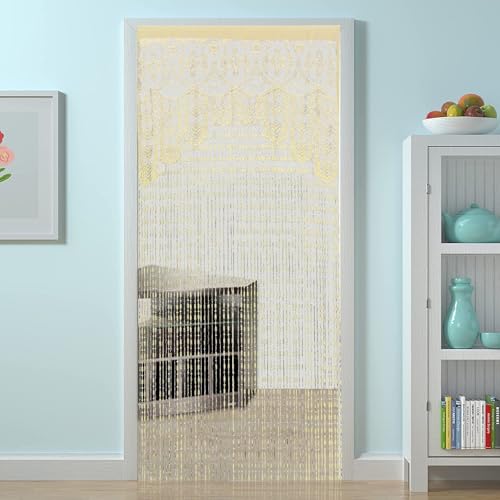
PREMIUM LACE CURTAINS:Our lace curtains are made of high-quality sheer lace fabric with delicate embroidery,soft,breathable and durable,the lace is not easy to tear or fade,long lasting use.
11. Lace Window Covering
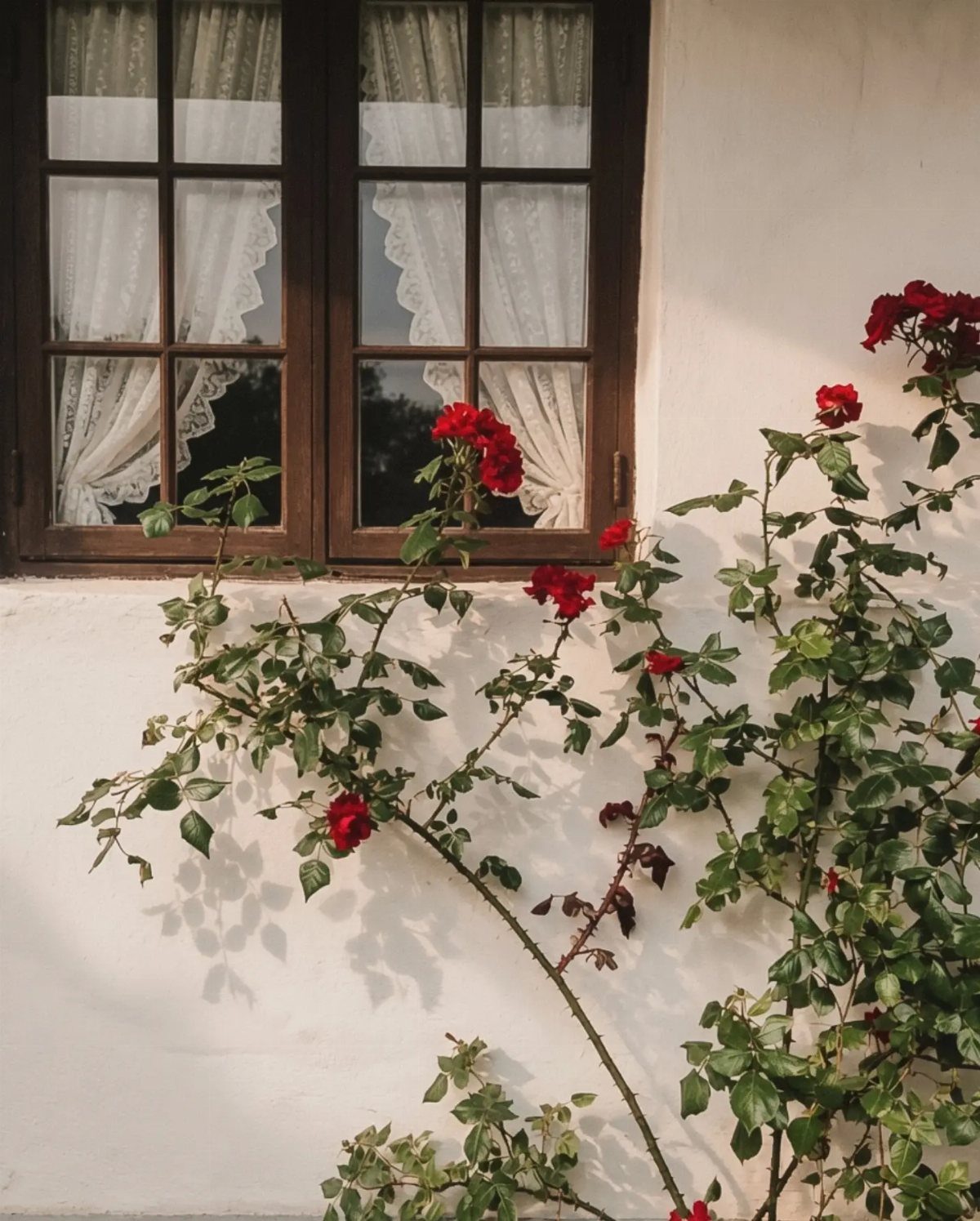
Lace blurs what’s outside without turning the room dark, so you get privacy during the day while still letting light through. The pattern adds detail to a plain window, and installation is the same as hanging any lightweight fabric.
At night, the coverage vanishes.
Once the lights are on inside, lace doesn’t hide much, so this works better in a living room or kitchen than a bedroom. Pairing it with a shade or blind solves that, but then you’re back to 2 layers.
Lace collects dust and yellows over time, especially in direct sun. Most can be hand-washed, but the fabric is delicate and tears more easily than cotton or linen.
12. Stained Glass
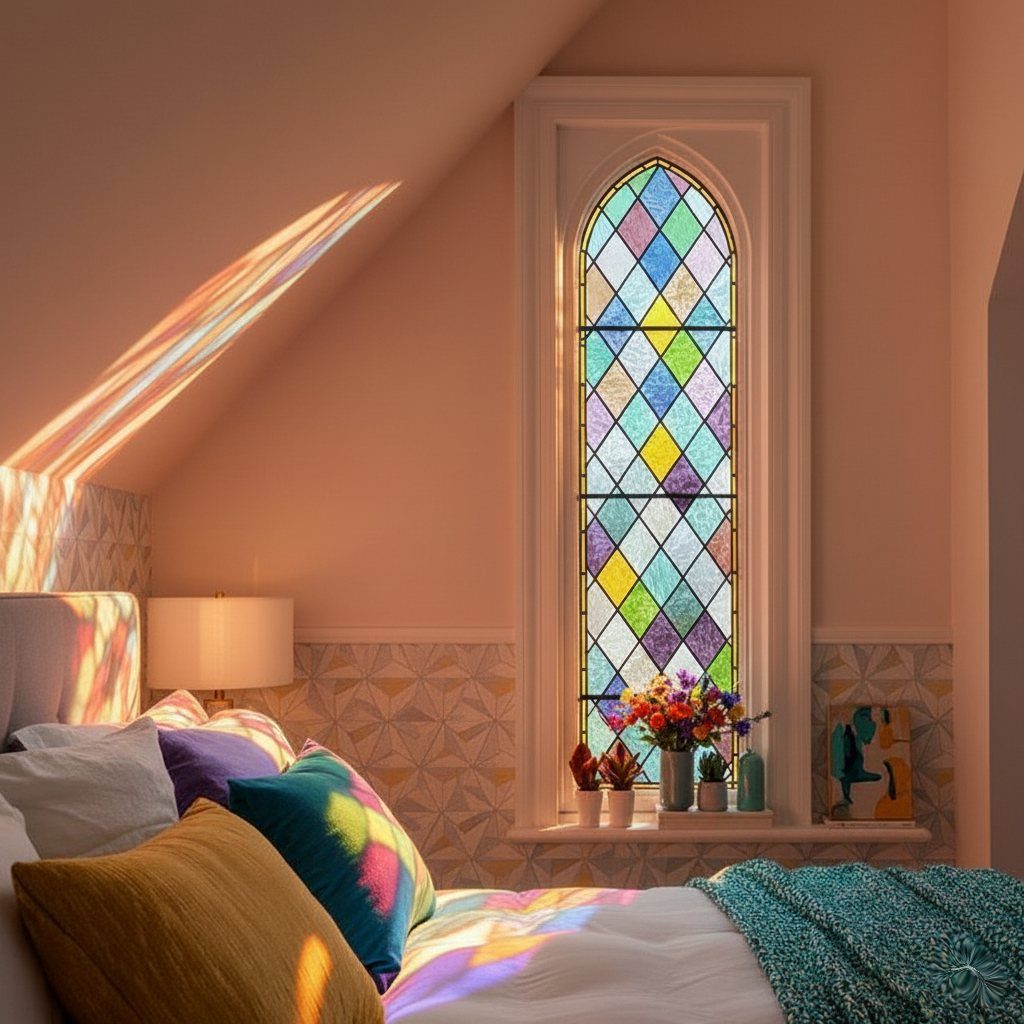
Colored glass turns privacy into decoration. Light passes through but the view is obscured, and the color shifts depending on the time of day.
That makes it a good fit for bathrooms, entryways, or any window where you want something permanent and don’t need to adjust the coverage.
True stained glass is expensive and custom, so most people use adhesive window cling in a stained glass pattern instead. The cling costs less, installs with soap and water, and comes off cleanly if you move or change your mind.
The permanent version adds value to a period home, but it’s a major decision. Once it’s in, you’re committed to the color and style.
Deciding Whether to Go Bare
Before you commit, clean the glass on both sides and leave it bare for a few days.
That gives you a sense of how bright the room gets, whether glare is a problem, and if passersby can see in during different times of day.
The decision depends on the room.
A living room window with a view benefits from staying open. A bedroom or bathroom facing the street usually doesn’t.
Choosing Mounts and Installation
Shades can mount inside the window frame or outside it, and the choice depends on how much depth the frame offers.
Inside mounts sit flush and show the trim, but thick fold styles need more clearance than a shallow frame can give.
Shutters follow the same logic. Inside mounting gives a built-in look; outside mounts cover more glass and work when the frame itself is too narrow.
Cordless operation keeps fabric out of reach if kids or pets are around, and it eliminates the chain that hangs to one side. Chain-operated versions cost less and suit windows you don’t open often.
Frequently Asked Questions
What are some cheap ways to cover windows?
Adhesive window film, valances, and plants are all low-cost options that cost less than custom shades or shutters.
Film goes straight onto the glass and peels off without residue, valances dress the upper frame and leave the rest open, and a row of potted plants turns the sill into a natural barrier.
Is it okay to have curtains without blinds?
Yes, curtains work fine on their own if the room doesn’t need adjustable light control or daytime privacy.
Sheer curtains let light through but won’t block views at night, so adding a shade or blind later solves that if it becomes a problem.
Do they make curtains where you can see out but not in?
Lace softens what neighbors see during daylight hours and still admits plenty of sun, but after dark when interior lights are on, the fabric becomes much less effective. Pairing lace with a shade or blind gives privacy after dark.
What can I use instead of curtains and blinds?
Shutters, window film, Roman shades, plants, valances, lace panels, or stained glass work when you don’t want curtains or standard blinds.
Film offers privacy without fabric, plants and valances add decoration, and lace or stained glass turn privacy into a design detail.
How do you make windows private at night without curtains?
Window film, shutters, or shades provide nighttime privacy without curtains.
Film stays on the glass and blurs the view around the clock, shutters close completely and tilt to control light, and shades lower fully when you need them and roll up during the day.