
The plants here run from a shallow ceramic bowl of cacti and succulents on a wooden surface by a window to a mature banyan with aerial roots hanging from a broad canopy.
Which one suits you depends on the space you have: a window and a bowl take the succulents, while a strangler fig with thick roots wrapped around its host trunk, or a flamboyant tree seen against open sky, is a plant to find outdoors.
1. Cacti & Succulents

Adeniums, agaves and aloes all sit under the succulent heading, and that mix of shapes is why a shared bowl works so well.
Fleshy plants of different forms side by side look planned in a way a single species rarely does.
A shallow ceramic bowl topped with smooth river pebbles suits cacti and succulents well: the wide, low shape gives roots room to spread sideways, and the pebbles keep leaves off damp soil.
The stones finish the arrangement and keep it tidy. Set it on a wooden surface near a window and it passes for decor.
2. Black Pepper
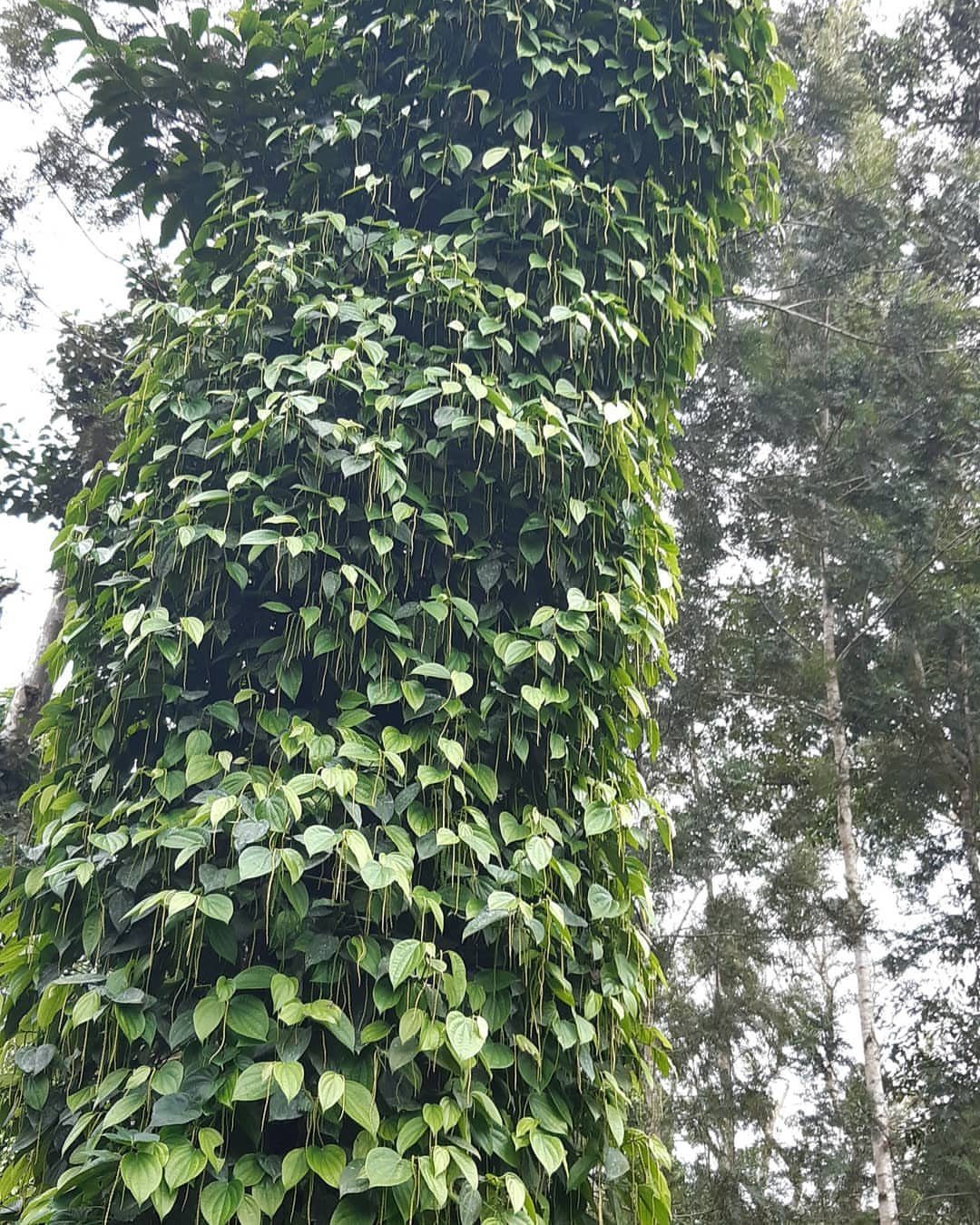
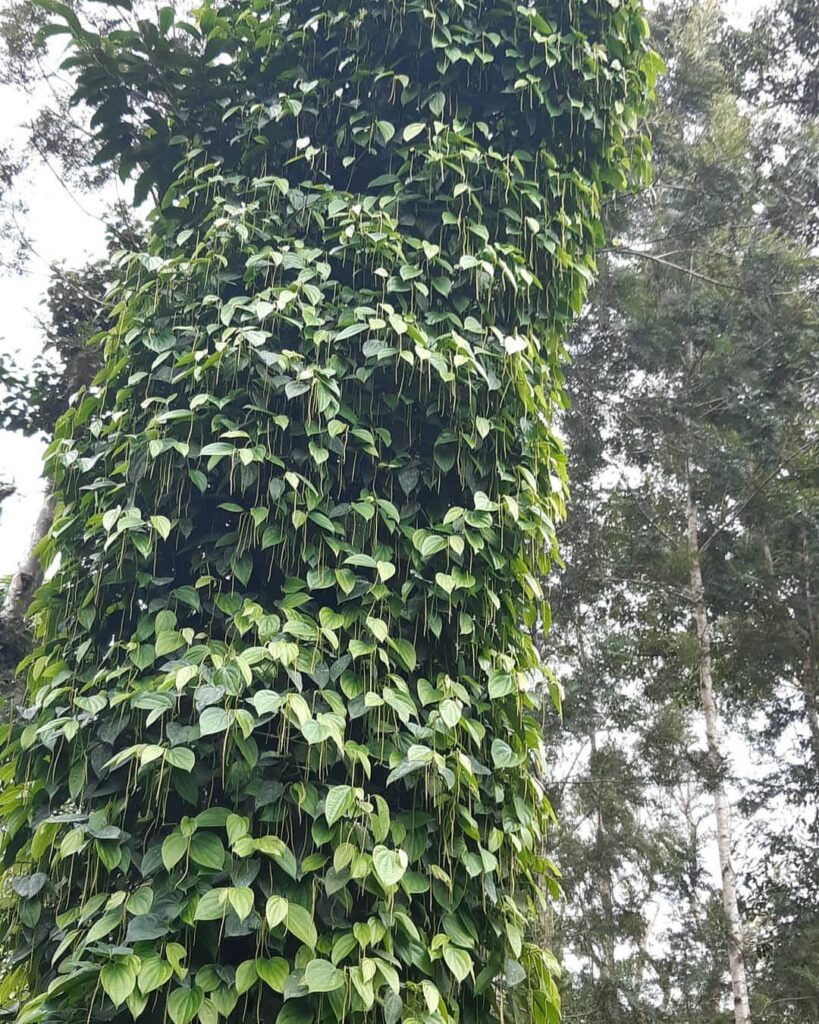
Southern India is the home of black pepper, a flowering vine that climbs instead of standing on its own.
Black pepper is a climbing vine, so it wraps a trunk or post in green, with small peppercorn clusters hanging along the stem.
Growers elsewhere train it up trees or poles, so a pole is the practical stand-in if you ever plant one. I prefer the living-tree version, since the vine and its host make a better picture than a bare stake.
3. Cluster Fig
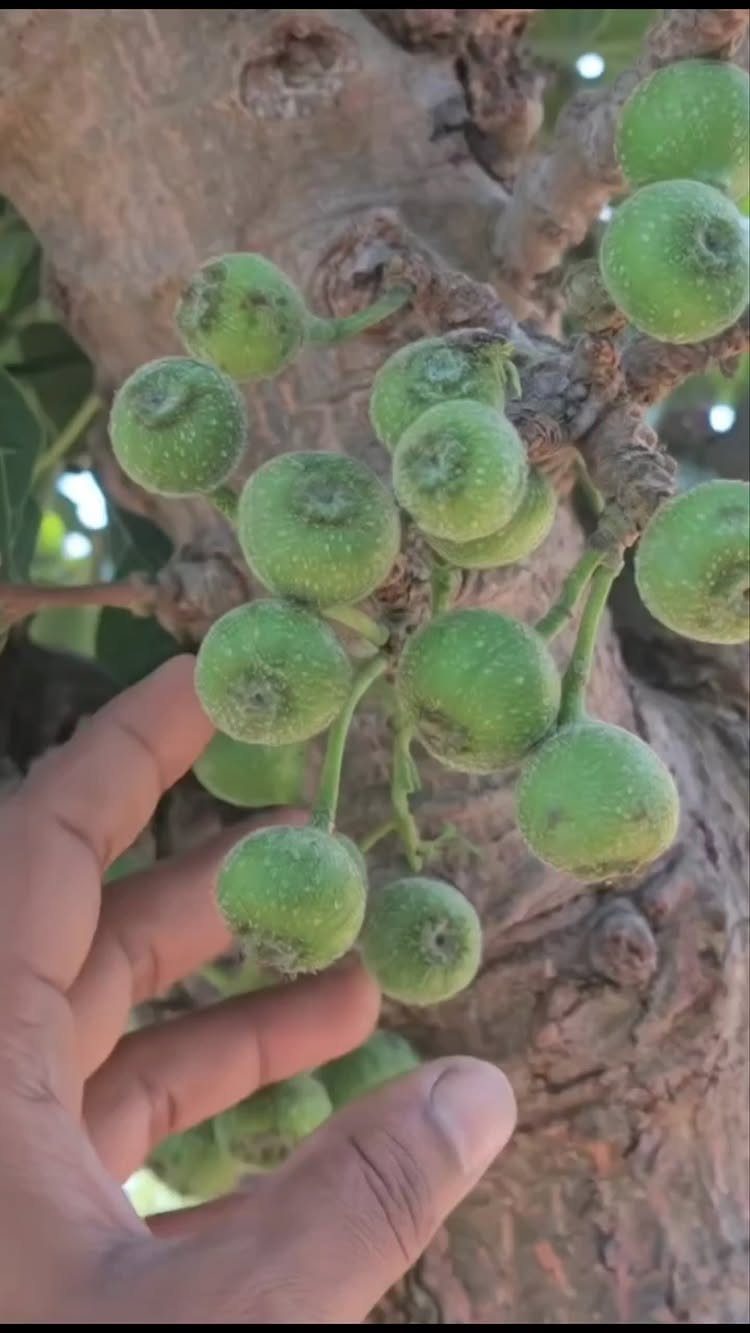
Check the trunk before you look up into the canopy. A cluster fig carries its fruit in conspicuous bunches straight on the branches or the trunk, and no other fig habit is easier to spot.
That makes it a good first fig to learn. Small, green, textured fruit crowded against brown bark is a clear identifier, and it works even when you can’t see a single leaf.
4. Strangler Fig
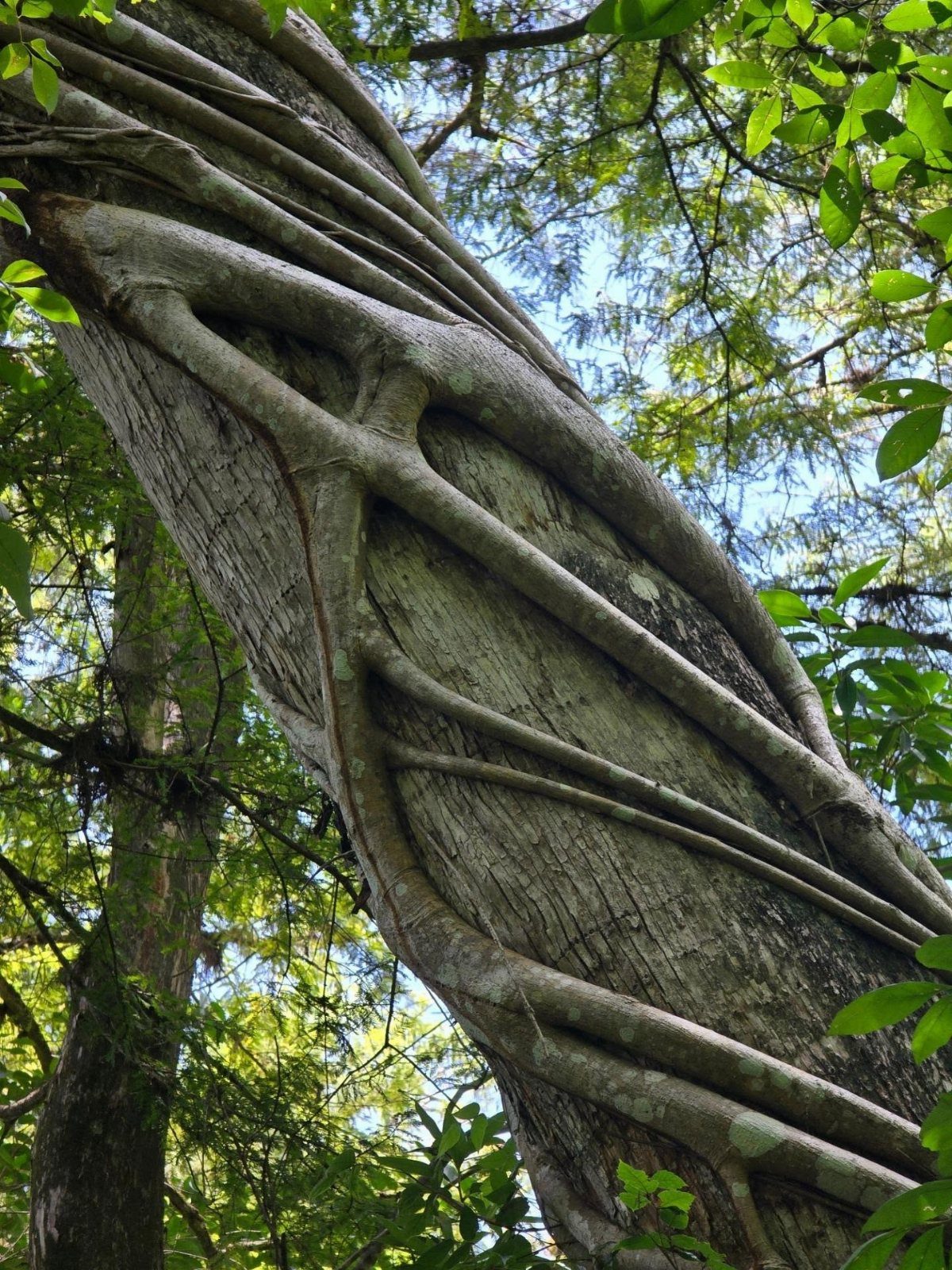
Some Ficus species begin life as epiphytes, perched on another plant instead of rooted in soil, and the strangler fig is the best-known case. In rainforests, that early perch is a bid for light.
Over time the roots grow thick and grey-brown, and they wrap the host trunk. I find it the most dramatic plant story on this list, and it needs no flower to carry it.
5. Glory Lily

Glory Lily petals curl in a way that looks unlike most garden flowers, and a dark backdrop gives that shape room to read.
It is listed among the fantastical plants of the Western Ghats, which suits it. A plain background works best for glory lily, because the flowers carry all the color and any busy pattern behind them competes.
6. Purple-veined Heart Leaf
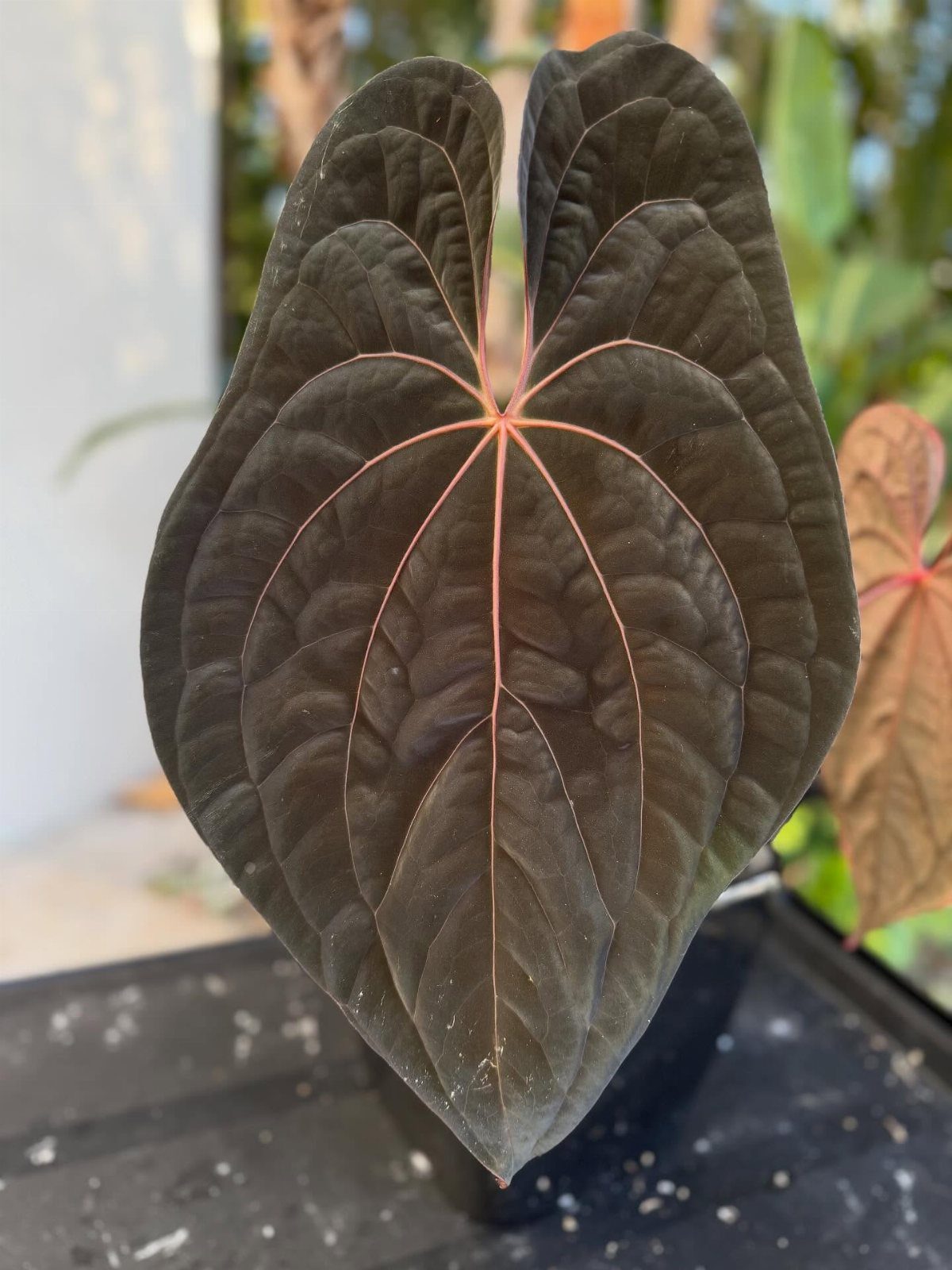
One leaf is enough to make the case here. Dark purple-black, heart-shaped and large, it carries reddish-pink veins that read as a drawn pattern.
This is a plant to grow for foliage, not flowers. I’d put it beside plain green plants so the veins keep the attention, and I’d skip busy neighbors that compete with that color.
7. Flowering Tendril Plant

Look low for this one. Small purple flowers and thin, curling tendrils sit among green leaves in the grass, and a plant at that scale is easy to walk past.
I’d train my eye on the tendrils first, since those fine looped lines against plain leaves give the plant its look. Crouch down to see the flowers properly; from standing height they disappear.
8. Flamboyant Tree
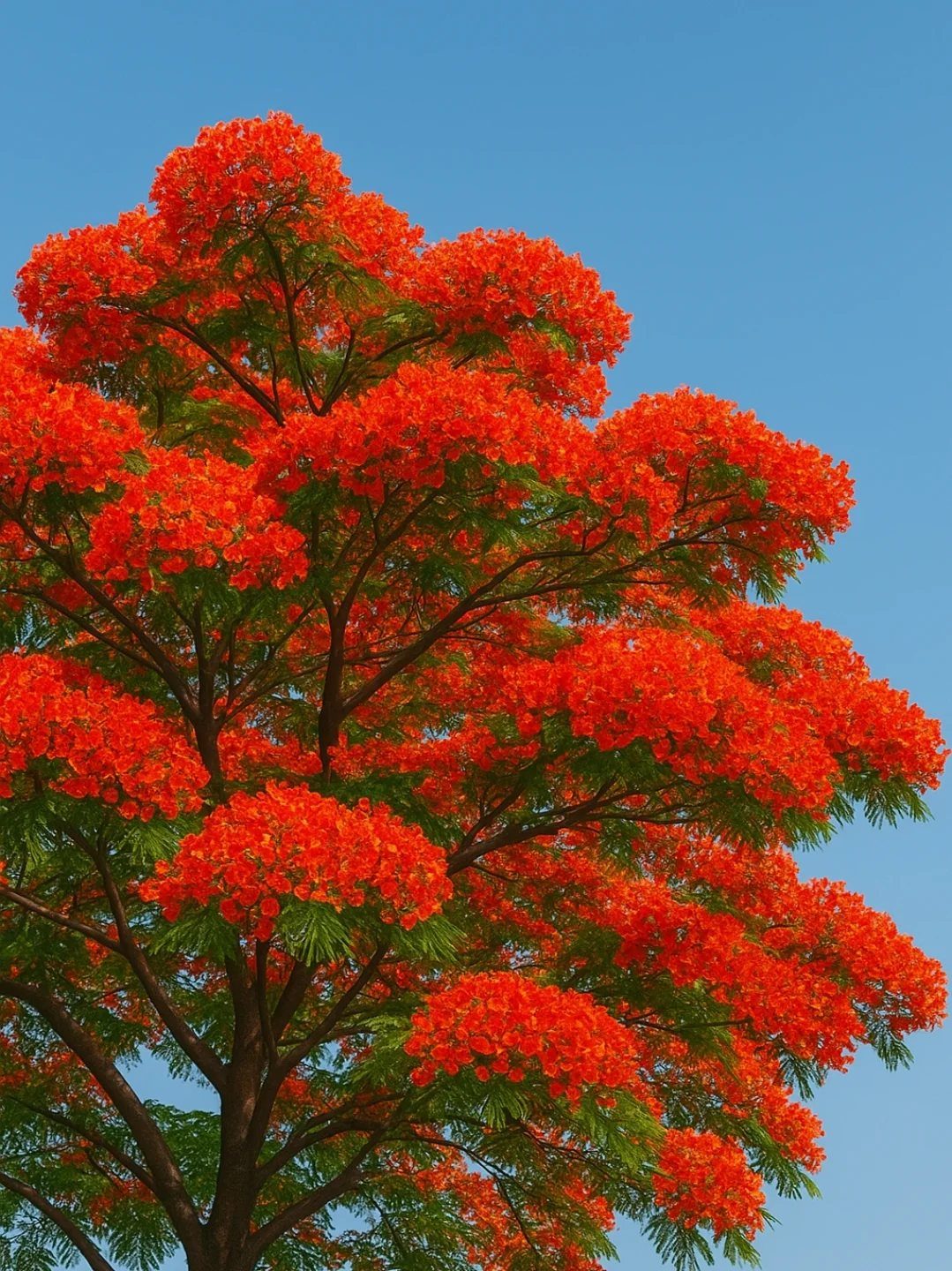
Red blossoms scattered among fern-like leaves make the flamboyant tree easy to name from a distance. The foliage is fine and feathery, so the red sits against a soft green backdrop and never a heavy one.
A clear blue sky is the best background for it.
Stand with the sun behind you and look up, and the red separates cleanly from the green. A tall tree like this reads best from some distance back.
9. White Orchid

No pot, no soil: this white orchid grows straight out of a dark, textured trunk. Long, slender petals against brown bark give you contrast that does the spotting for you.
Scan trunks at eye level instead of checking the ground. I like it better on bark than in any arrangement, because the rough texture makes the flower look even more delicate.
10. Sundew
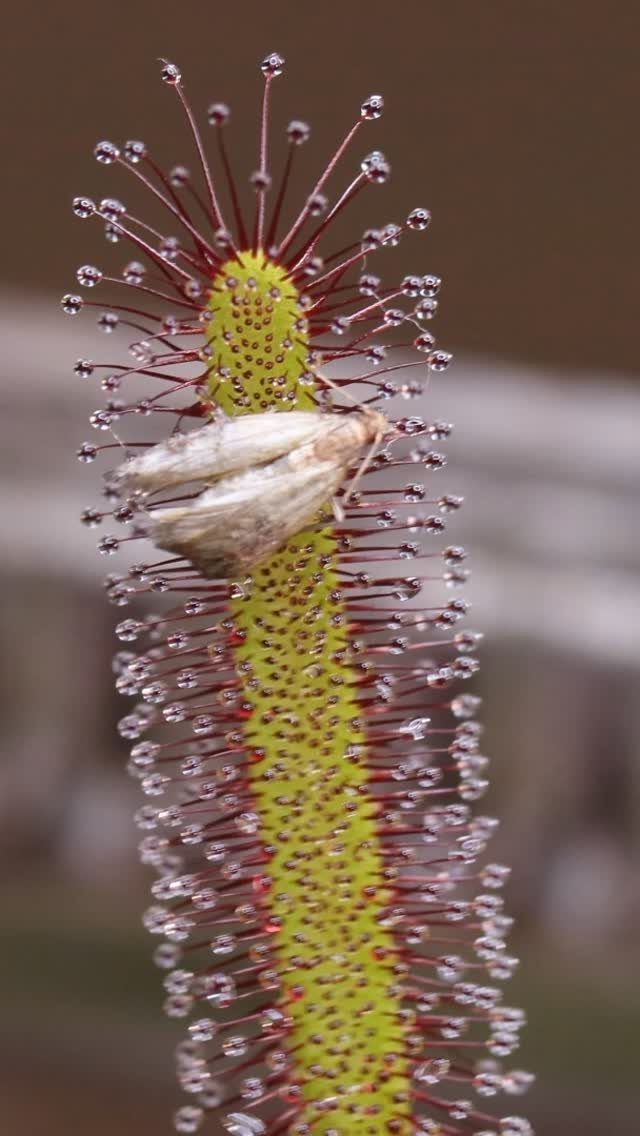
Glistening droplets on red tentacles are what mark a sundew leaf.
The plant is small, so get close and look at the tip of each tentacle. The red against green is the detail I’d photograph first, and the trapped insect gives the picture its scale.
11. Banyan Tree
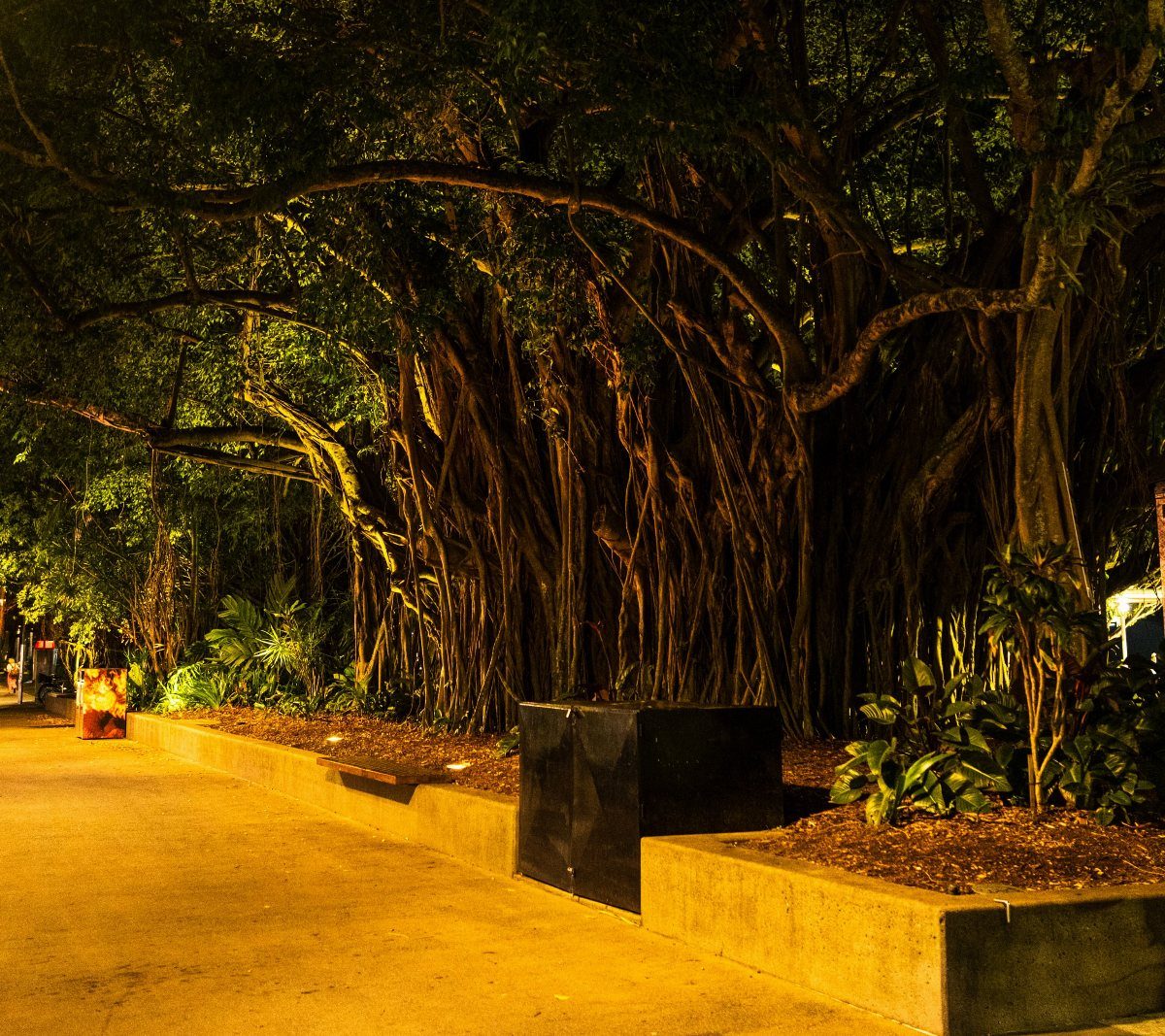
A broad canopy above and aerial roots hanging toward the ground: that pairing sets a mature banyan apart from other big shade trees.
In a neighborhood, size alone gives it away, but the roots are the part to check.
I’d look at one in evening light, since a low source throws the texture of the roots into relief and makes them easier to follow from branch to ground.