
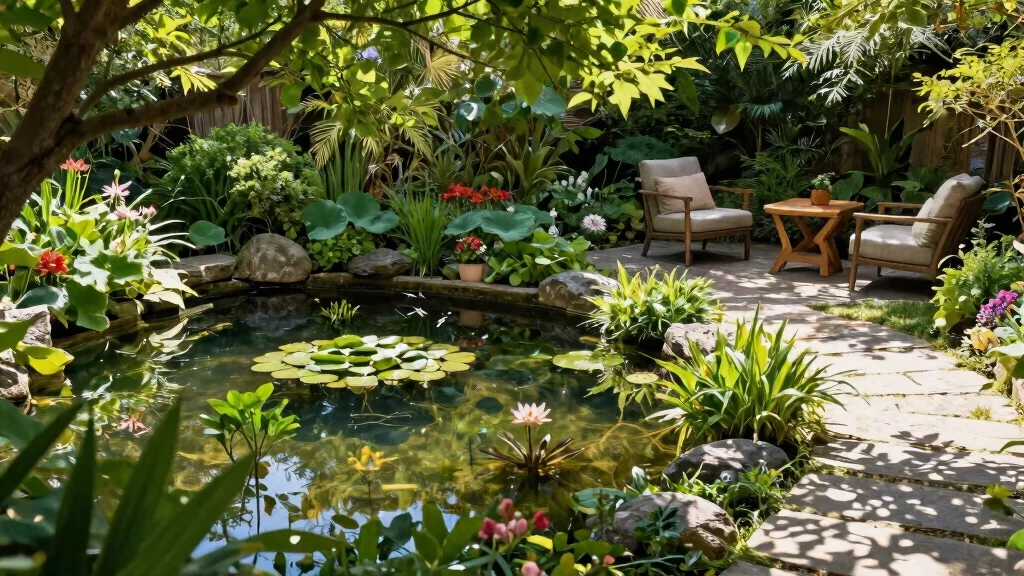
Creating a patio pond is one of those delightful projects that can transform your outdoor space into a serene oasis. With the beauty of nature at your doorstep, you can enjoy a peaceful ambiance right in your backyard. I put this post together because I believe everyone deserves a little slice of tranquility, and you don’t need expensive electric pumps or complicated filters to achieve that. Instead, you can create a stunning and sustainable pond that thrives on the natural ecosystem around it.
If you’re a gardening enthusiast or someone who simply loves the idea of having a tranquil water feature, this guide is tailored just for you. You’ll discover 14 unique patio pond designs that don’t require electricity or costly filters. These ideas are not only easy to implement but also allow you to embrace the beauty of aquatic plants. Whether you’re looking to attract wildlife, introduce colorful lotus flowers, or create a zen-like retreat, there’s something here for every type of gardener.
By diving into this collection of self-sustaining pond designs, you’ll gain insights into how to maintain these beautiful ecosystems and the types of aquatic plants that will flourish in your patio pond. This guide will empower you to craft a space that enhances your garden’s aesthetic while promoting environmental harmony. Let’s explore these refreshing ideas that will bring life to your outdoor area.
Key Takeaways
– Discover Unique Designs: Explore 14 diverse patio pond designs that function without the need for electricity or expensive filters, perfect for any garden style.
– Embrace Sustainability: Learn how to create a self-sustaining ecosystem pond that thrives naturally, reducing maintenance and environmental impact.
– Incorporate Aquatic Plants: Find out which aquatic plants are best for your pond, enhancing its beauty while supporting local wildlife.
– Easy Maintenance Tips: Get practical advice on maintaining your pond, ensuring it remains a vibrant and healthy habitat throughout the seasons.
– Create Your Own Oasis: Use these ideas to craft a relaxing retreat in your backyard, bringing peace and beauty into your everyday life.
1. The Classic Rock Garden Pond
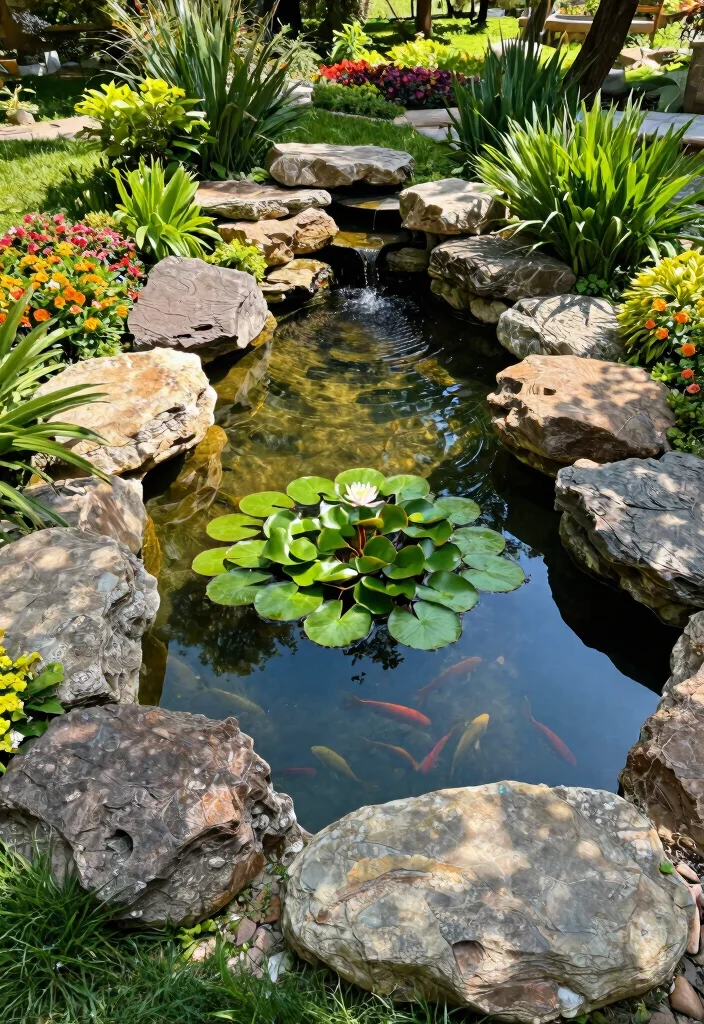
If you’re looking for a serene addition to your patio, the rock garden pond is a perfect choice. This design utilizes natural stones to create a harmonious water feature that blends seamlessly with your garden. You won’t need complex filtration systems, as the rocks naturally help to filter the water, enhancing its clarity and quality.
To elevate the pond’s aesthetic, incorporate plants like water hyacinths and marginal plants. These not only beautify the pond but also provide essential oxygen for any fish you wish to include, creating a vibrant ecosystem.
Steps for success:
– Select a mix of aquatic plants for a balanced ecosystem.
– Position rocks to facilitate water circulation.
– Regularly clear debris to maintain water quality.
This setup transforms your patio into a tranquil retreat, echoing the soothing essence of nature.
Small changes, big calm: a rock garden pond uses natural stones to filter water, no expensive pumps needed. Add water hyacinths and marginal plants to boost clarity and wildlife habitat—your estanque de patio becomes a thriving, maintenance-friendly oasis.

Size and Capacity: Measures 38" W x 30" D x 12" H with a 17 gallon capacity, ideal for creating a decorative water feature in gardens, patios, flower beds, and outdoor landscapes.

【PERFECT AFTER-SALES SERVICE】If for any reason you are not completely satisfied with your purchase, or encounter any problems during use,you can click the "contact seller" button to send an email to us, and We will provide you with a satisfactory solution within 12 hours.

Solar water pump--the creative appearance design is exquisite and beautiful, which will bring you a better decorative effect,solar powered fountain pump kit
Ongoing Maintenance & Care Guide
Maintaining your estanque de patio is key to creating a healthy and thriving ecosystem. Here’s a simple guide to help you keep your pond in great shape without electric pumps or expensive filters.
Maintenance Schedule:
Daily/Weekly Tasks:
– Water Level Check: Ensure the water level stays stable. Refill if needed. ⏱ Time: 5 minutes
– Debris Removal: Clear fallen leaves and debris from the pond surface and edges. ⏱ Time: 10 minutes
– Plant Health Scan: Look for any wilting or dying plants that may need pruning or removal. ⏱ Time: 5 minutes
– Algae Monitoring: Check for any early signs of algae growth. Remove any visible clumps. ⏱ Time: 10 minutes
Monthly/Seasonal Tasks:
– Water Quality Testing: Test the pH and clarity of the water monthly. Adjust as necessary. ⏱ Time: 15 minutes
– Plant Maintenance: Trim back overgrown plants and remove dead foliage. This promotes healthy growth. ⏱ Time: 30 minutes
– Wildlife Observation: Check for signs of wildlife like frogs or fish, ensuring they thrive in the environment. ⏱ Time: 10 minutes
– Seasonal Cleanup: At the start of each season, clean out any accumulated debris from the pond bed. ⏱ Time: 1 hour
– Winter Prep: If you live in a cold climate, prepare your pond for winter by covering or insulating it. ⏱ Time: 30 minutes
Maintenance Summary Table:
| Task | Frequency | Difficulty | Time Needed |
|—————————–|—————|————|————–|
| Water Level Check | Daily | Easy | 5 minutes |
| Debris Removal | Daily | Easy | 10 minutes |
| Plant Health Scan | Daily | Easy | 5 minutes |
| Algae Monitoring | Daily | Easy | 10 minutes |
| Water Quality Testing | Monthly | Moderate | 15 minutes |
| Plant Maintenance | Monthly | Moderate | 30 minutes |
| Wildlife Observation | Monthly | Easy | 10 minutes |
| Seasonal Cleanup | Seasonal | Moderate | 1 hour |
| Winter Prep | Seasonal | Moderate | 30 minutes |
Common Issues to Watch For:
⚠️ Algae Blooms: If you notice green scum forming on the surface, it means your pond might have too many nutrients. This can lead to oxygen depletion.
⚠️ Foul Odors: An unpleasant smell can indicate decaying organic matter or stagnant water. This means it’s time to clean and refresh the pond.
⚠️ Water Clarity Issues: If the water looks murky or cloudy, you may need to check for excess debris or dying plants contributing to the problem.
⚠️ Low Wildlife Activity: A sudden drop in wildlife can mean an unhealthy environment. Reassess your plants and water quality.
⚠️ Floating Debris: If you see a lot of floating leaves or waste, it suggests that regular maintenance might be lacking. Make sure to clear them weekly.
Care Tips:
💡 Choose the Right Plants: Select native aquatic plants that thrive in your climate. They help keep the water clean and provide habitats for wildlife.
💡 Natural Filtration: Incorporate plants like water lilies or cattails. They naturally filter and oxygenate your pond.
💡 Avoid Chemical Treatments: Stick to natural methods for treating plants and algae. Chemicals can harm the ecosystem.
💡 Regular Observations: Spend time by your pond. Observing daily can help you spot issues early and enjoy the beauty of your estanque de patio.
💡 Community Learning: Join local gardening clubs or forums. Sharing experiences with other pond enthusiasts can provide helpful tips and support.
By following these guidelines, you can enjoy a beautiful, self-sustaining pond that requires minimal effort while providing a peaceful retreat in your garden. Happy gardening!

Complete pond, waterfall, and watergarden kit includes everything needed
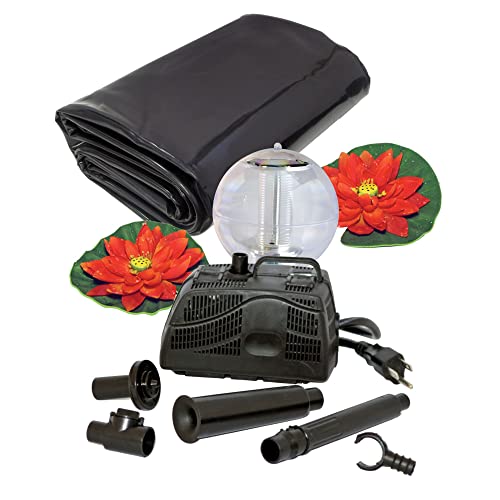
Includes a 8-feet by 10-feet Non Toxic Pond Liner.

This kit maximizes quality and affordability. 15' x 25' Pond Kit can build an 11' x 21' (2,600 gallon) fishpond or water garden at a 1.5' depth. Finished pond length, width, and depth can be tailored to your specific requirements.
2. The Miniature Zen Pond
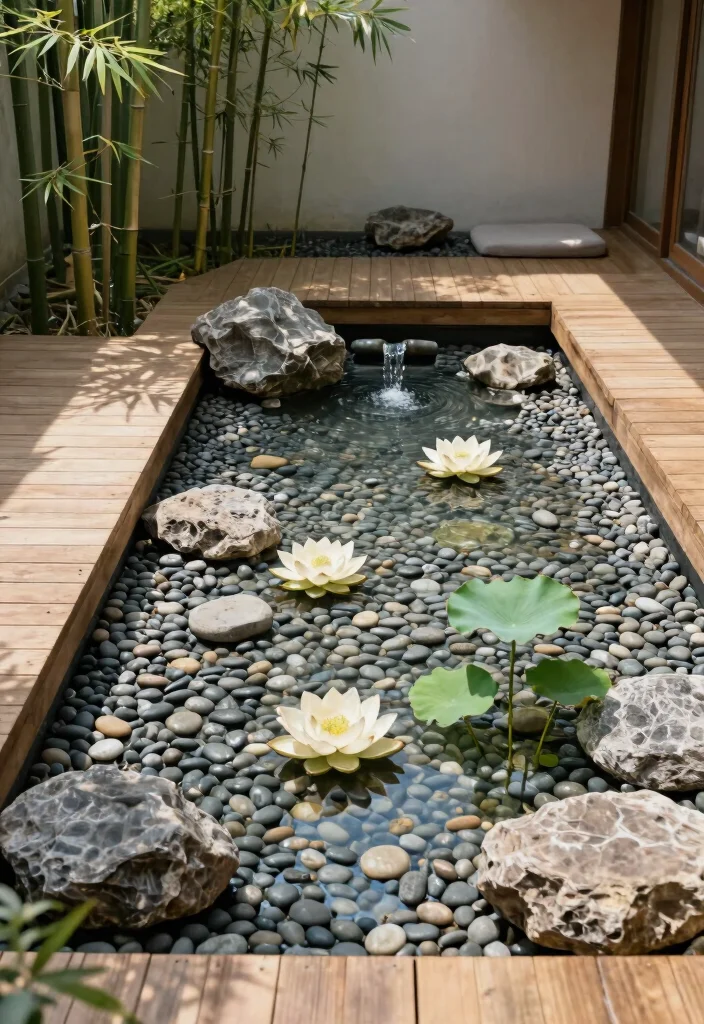
For those who appreciate simplicity, a miniature Zen pond is an ideal choice. This serene feature emphasizes minimalism, often consisting of a small basin filled with pebbles and plants, creating a peaceful environment. The uncluttered design fosters tranquility and reflection, making it a perfect spot for relaxation.
Utilize smooth stones or gravel at the bottom to enhance the soothing aesthetic. Adding elements like bamboo or a small water feature can further elevate the serene atmosphere, while plants such as lotus or chaparral provide subtle color without demanding much maintenance.
Design tips:
– Keep the layout simple and organized.
– Opt for natural materials like wood or stone for character.
– Add nearby seating to enjoy the peaceful surroundings.
A Zen pond transforms your patio into a sanctuary for meditation or a quiet cup of tea.

Vibrant Pond Plants for Water Features. Grow beautiful water hyacinth with these 200 premium seeds. Ideal for enhancing koi ponds, backyard water gardens, and small natural ponds with lush aquatic plants and floating greenery.

Natural Filtration: Helps control nitrates and ammonia levels in your water environment

LIVE PLANTS: Package includes 5 fresh water hyacinth plants (equevalent to 8 oz) with vibrant green leaves and buoyant bulbs for immediate pond use
3. The Self-Sustaining Ecosystem Pond
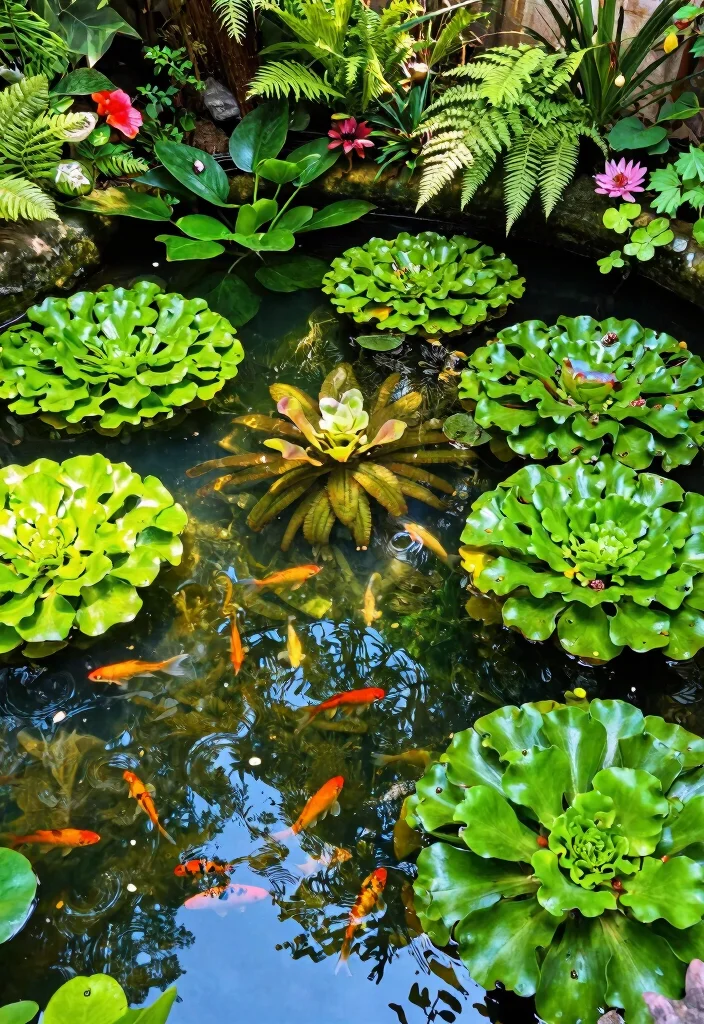
Building a self-sustaining ecosystem pond creates a vibrant mini-habitat that flourishes without human intervention. This pond operates on a natural cycle, where every element contributes to maintaining clean, balanced water. By introducing a variety of plants, you create a space that supports local wildlife and promotes a healthy ecosystem.
Incorporate submerged plants like hornwort and floating varieties such as water lettuce. These plants not only provide shelter for wildlife but also assist in naturally filtering the water. Adding fish can help control pests, creating a thriving environment.
Building your ecosystem:
– Choose diverse plants to support different wildlife.
– Avoid chemical fertilizers; let nature handle it.
– Regularly check pond health for any imbalances.
This pond type connects you with nature while minimizing your maintenance efforts.
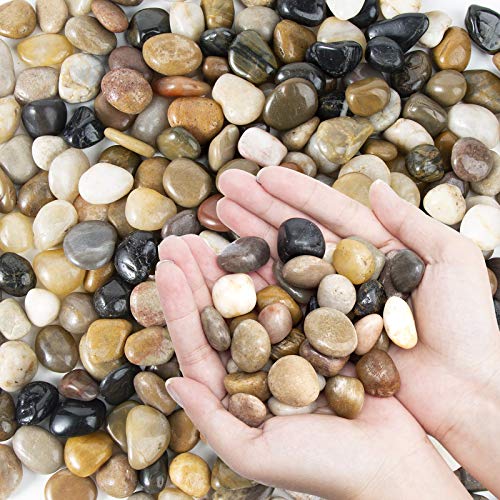
Natural Stones: This river rocks are natural lightly polished for smooth effect, comes in a variety of natural colors, Resists fading for long-lasting beauty. The color of this river rock is natural so it may include a variety of different shades of browns, whites and black rocks. (rocks are natural and as a result some may be broken or out of shape, oval or round, thick or thin.

Compact Dimensions: Natural stone liner measuring 1.3 feet x 3.3 feet (0.4m x 1m) and weighs 3.5 pounds (1.6 kg)
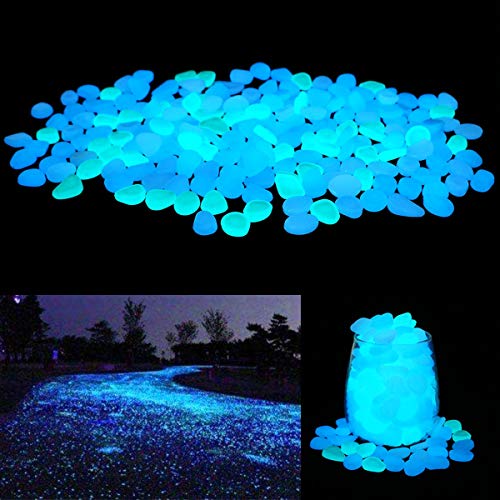
★Material★ - Photoluminescent pigment + resin. About 18×25×11mm each. 200PCS pack.
4. The Wooden Pallet Pond
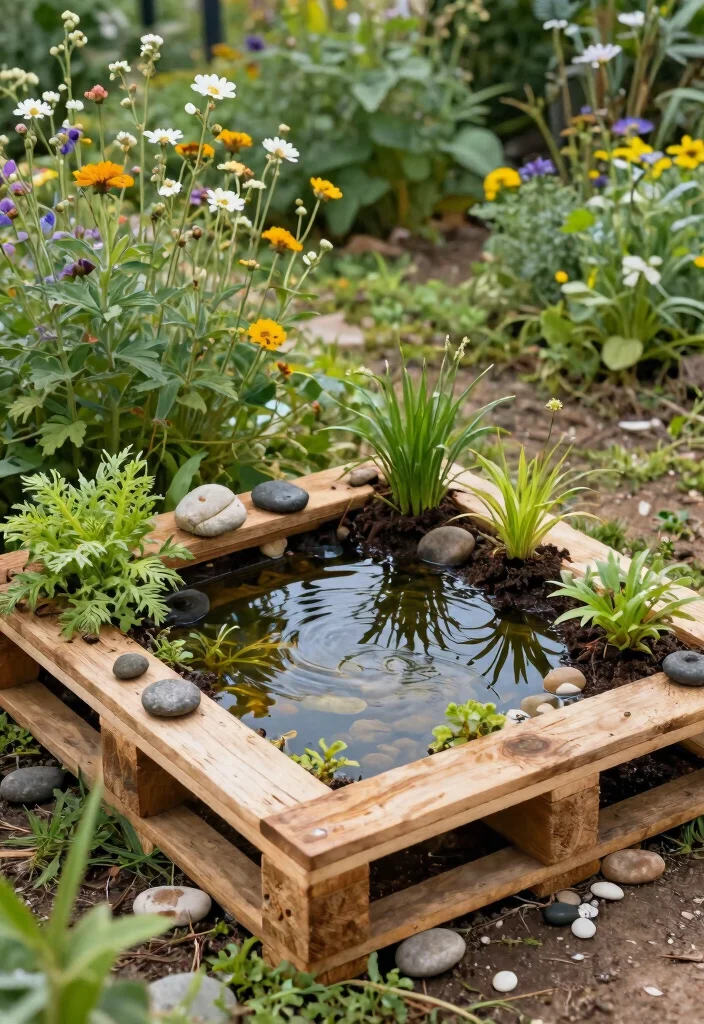
Transforming a wooden pallet into a wooden pallet pond offers a unique, rustic charm while being budget-friendly. This DIY project is not only easy but also perfect for garden lovers looking to add character to their space. By lining the pallet with a waterproof material, you can create a delightful pond filled with plants.
Fill the pallet with soil and water plants, and consider using small pebbles for drainage to ensure plant health. This design adds creativity to your garden, inviting a whimsical touch.
DIY steps:
– Select a sturdy, untreated wooden pallet to avoid chemical leaching.
– Line the interior with a reliable pond liner.
– Fill with soil and plants like marsh marigold or water mint.
This charming pond encourages a fun project that reflects your personality and style!


5. The Tranquil Waterfall Pond
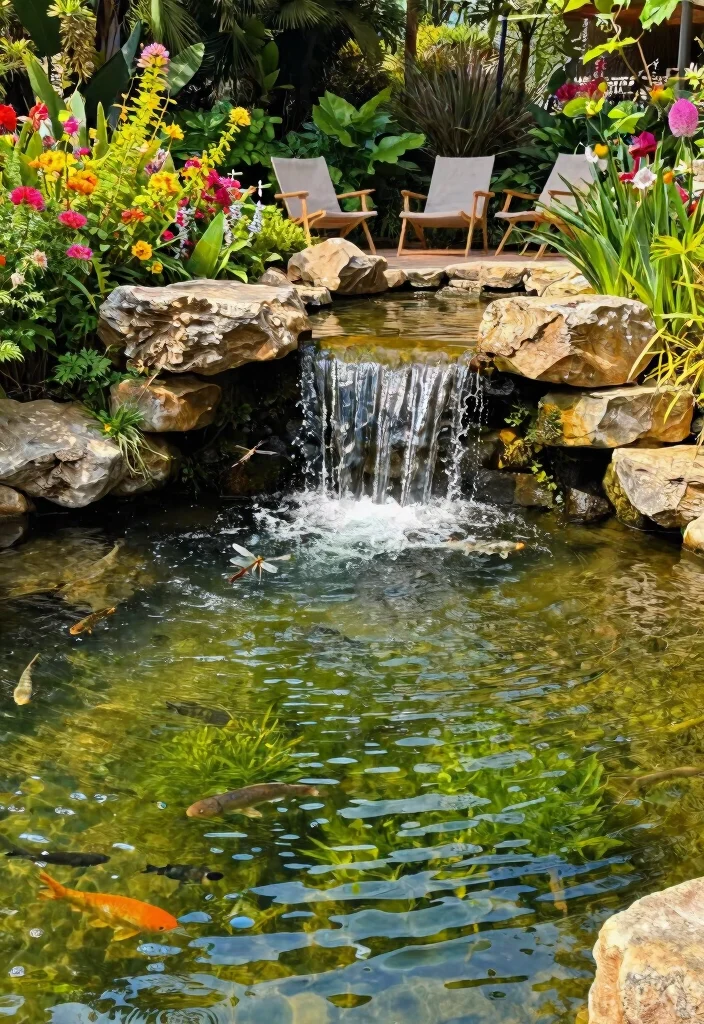
Imagine the soothing sound of a waterfall pond in your outdoor space. This captivating design combines flowing water with a serene pond, creating a relaxing atmosphere that drowns out surrounding noise. It’s an ideal addition to your patio, enhancing the overall ambiance.
Create the waterfall using natural rocks and gravel, leading to a beautifully landscaped pond filled with aquatic plants. This feature not only adds visual appeal but also oxygenates the water, benefiting both fish and plants.
Waterfall features:
– Use natural stones to match the garden’s look.
– Ensure the water cascades smoothly for gentle ripples.
– Plant along the edges to soften the transition.
A waterfall pond becomes a stunning focal point, drawing friends and family to gather around its calming presence.
Un estanque de patio con cascada suave puede reducir el ruido exterior en hasta un 30% y oxigenar el agua de forma natural. En espacios pequeños, una cascada de 40 cm de alto crea calma y invita a observar las plantas acuáticas.

[2026 Upgraded High-Efficiency Solar Panel]: Starts working in just 3 seconds under direct sunlight with strong water spray—no electricity or batteries required. Eco-friendly and cost-effective, this solar fountain pump is ideal for attracting hummingbirds, butterflies, and other birds to your garden while adding life to your outdoor space.
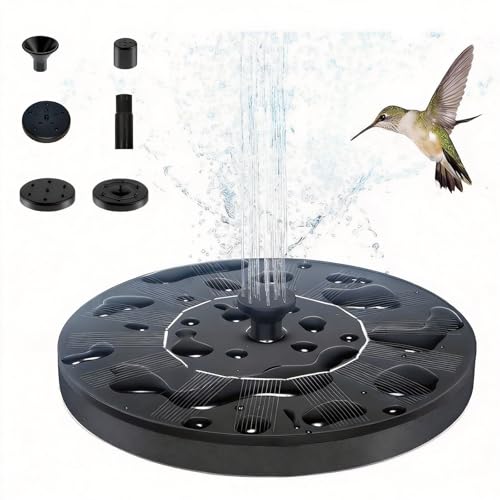
UPGRADE 1.5W SOLAR POWERED: Powered by a upgraded 1.5W solar panel, this fountain starts automatically in 3 seconds under direct sunlight, creating a beautiful water spray of 12 to 20 inch height. No batteries or electricity required—pure solar energy for an eco-friendly garden upgrade. Perfect for attracting hummingbirds, butterflies, and other wildlife to your outdoor space. (Note: Requires direct sunlight and may not operate on cloudy days.)
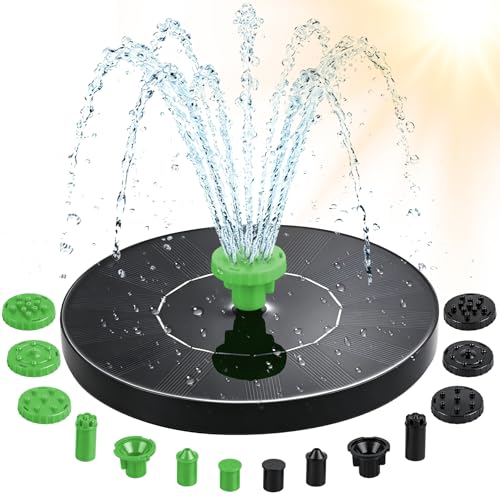
Eco-Friendly Solar Powered: Features a 1.5W high-efficiency solar panel integrated with the water pump, no batteries or plug-in electricity required. This solar fountain runs purely by sunlight, eco-friendly and energy-saving
6. The Container Pond
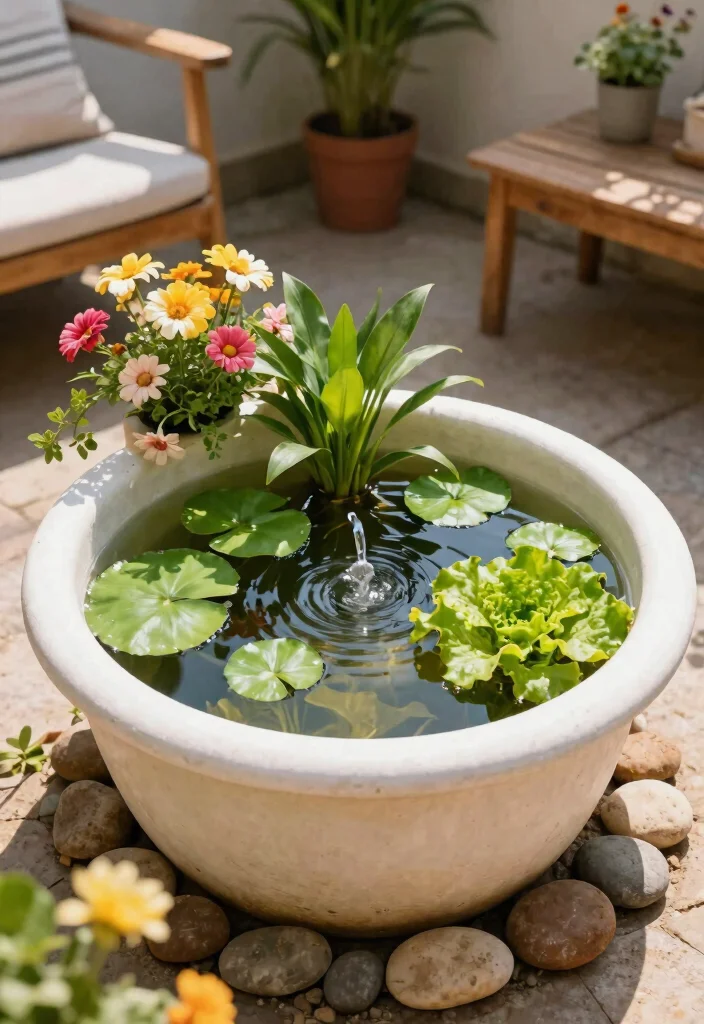
If you’re short on space, a container pond is a fantastic alternative. This portable option allows you to create a beautiful water feature using large containers, such as old bathtubs or sinks. It’s a creative way to add life to patios or balconies without needing extensive yard space.
Fill your container with water and submerged plants like anubias or water lettuces. Decorate the edges with flowers or stones for a complete look that enhances the beauty of your outdoor area.
Creating your container pond:
– Choose a stable container with enough depth.
– Incorporate a mix of plants for visual interest.
– Regularly check water levels, as evaporation can occur quickly.
Container ponds infuse creativity and beauty into smaller spaces, perfect for city dwellers or those with limited outdoor areas.

𝗣𝗿𝗲𝗺𝗶𝘂𝗺 𝗥𝗮𝘁𝘁𝗮𝗻 𝗙𝗿𝗮𝗺𝗲:Features a one-piece woven rattan frame (not imitation fabric) for superior durability and eco-friendly elegance, resisting weather damage while enhancing your outdoor décor.

☀️【 High-Efficiency 30W Solar Powered Pond Filter】This pond filter kit is powered by a 30W high-efficiency solar panel, delivering stable performance under direct sunlight. No electricity needed, making it an eco-friendly and cost-saving solution for outdoor ponds, koi ponds, and water gardens.

Industry Leading Materials - This pond free kit contains professional components from leading manufacturers, and is engineered to create a beautiful, low-maintenance backyard garden oasis.
7. The Floating Island Pond
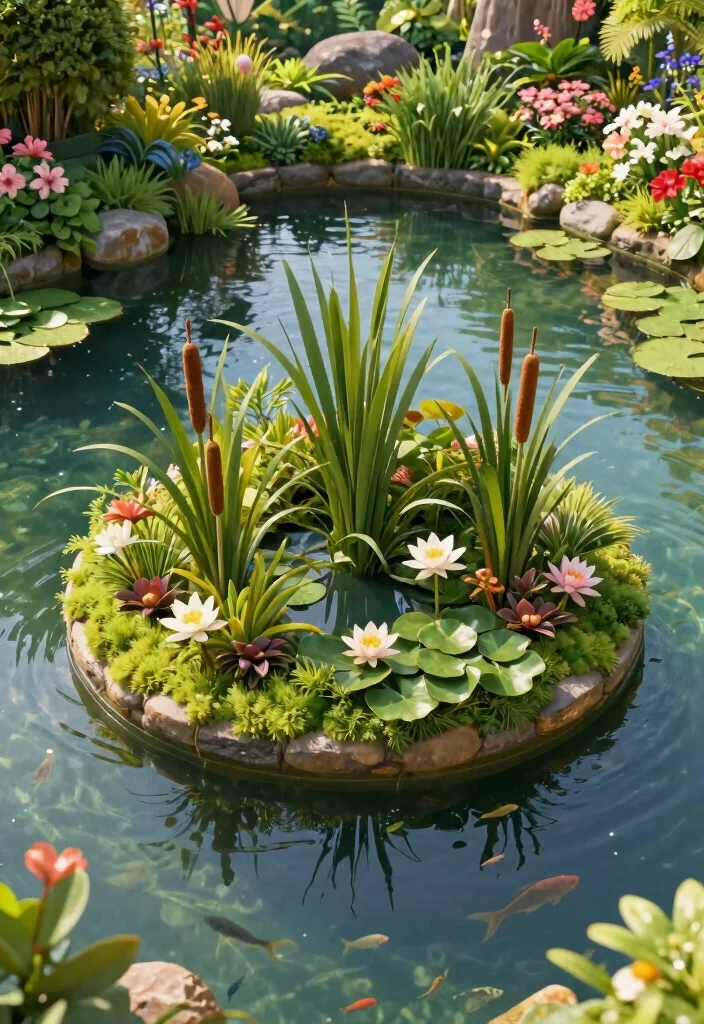
A floating island pond introduces a playful and functional element to your garden. These islands can be crafted using buoyant materials and planted with a variety of aquatic and marginal plants. As they drift on the water’s surface, they add beauty while enhancing the pond’s health.
Plants like cattails and water lilies not only beautify the area but also act as natural filters, absorbing excess nutrients and preventing algae growth. This unique feature offers both charm and ecological benefits.
Building your island:
– Use recycled materials like foam or plastic for buoyancy.
– Vary plant heights for added visual interest.
– Anchor the island to keep it in place.
This creative approach adds a touch of magic while supporting a healthy pond ecosystem.

✅ FLOATING BEAUTY! Most popular floating pond plant; perfect for beginners! Glossy, succulent green leaves float beautifully on the water’s surface! Experience sporadic bursts of gorgeous lilac blooms!

Water Hyacinth - Eichhornia crassipes
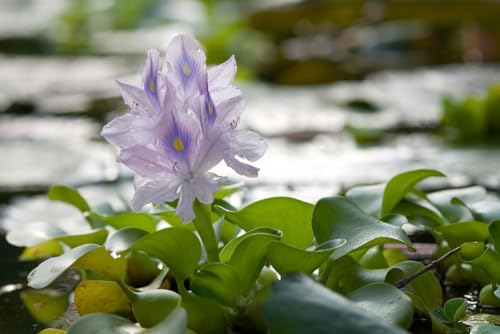
Shade & Shelter – Protects fish and reduces evaporation.
8. The Wildlife-Friendly Pond
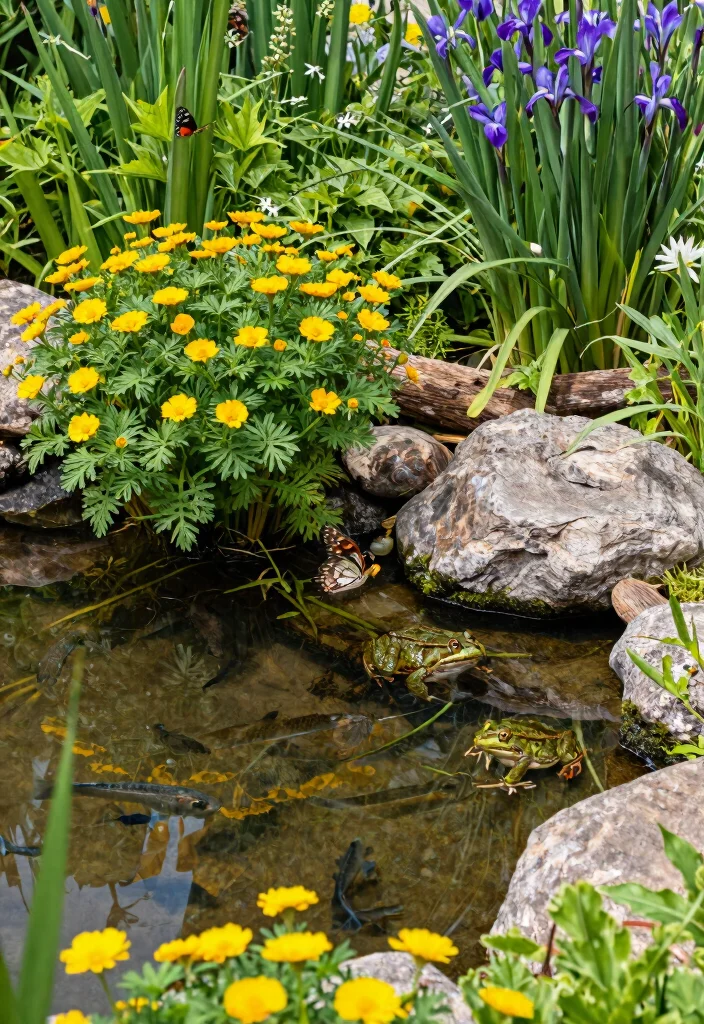
Creating a wildlife-friendly pond not only enhances your garden but also supports local wildlife. The aim is to design a habitat that attracts frogs, birds, butterflies, and beneficial insects, enriching your outdoor experience. By incorporating shallow areas, you make it easy for wildlife to access water.
Using native plants promotes balance and can attract various species. Plants like marsh marigold and blue flag iris are great options for encouraging biodiversity within your pond.
Wildlife tips:
– Add rocks and logs around the pond for basking spots.
– Leave some areas free from plants for easy access to water.
– Choose plants that bloom at different times for seasonal food and shelter.
A wildlife-friendly pond not only beautifies your garden but also turns each visit into a small adventure.
Product Dimensions: 1.3 Feet x 6.6 Feet (0.4m x 2m), Natural Stone Liner, Weighs 7.1 pounds (3.2 kg)
Natural Stone Liner Dimensions: Measures 1.9 Feet x 6.6 Feet (0.6m x 2m) and features authentic natural stone material
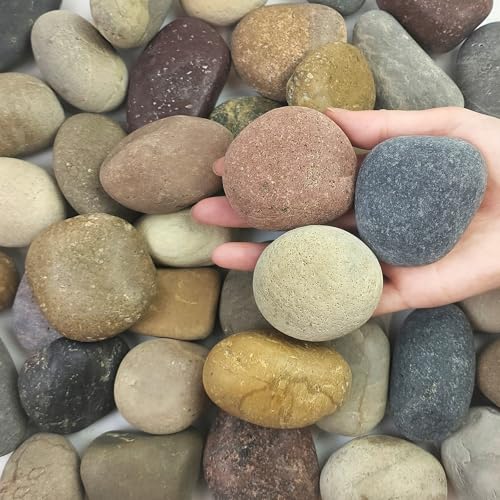
【Weight & Size】Weight: 5 pounds. Size:2-3 inches. Mixed color river rocks are clean and smooth,and contains a variety of different colors, shades and shapes. Keep in mind that stones are heavy, so 5 pounds doesn't seem like as much as one might think
9. The Colorful Lotus Pond
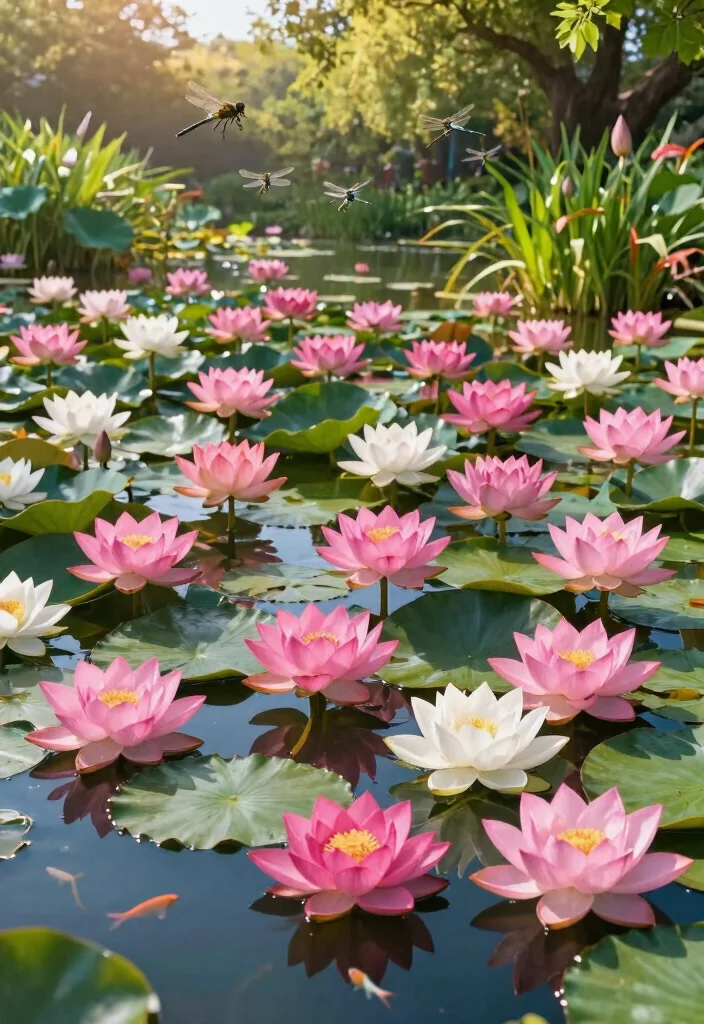
A lotus pond makes a stunning focal point in any garden, showcasing large, vibrant blooms. These exquisite plants not only enhance the beauty of your space but also provide shade and habitat for fish. Their captivating colors bring life to your outdoor setting.
Lotus plants thrive in warm weather and are relatively low-maintenance. You can create a dedicated pond just for them or integrate them into existing water features, pairing them with other aquatic plants for depth and variety.
Lotus care tips:
– Ensure the pond gets plenty of sunlight for optimal growth.
– Fertilize sparingly to prevent nutrient overload.
– Regularly clear dead leaves to maintain a clean environment.
A lotus pond turns your outdoor area into a stunning retreat, filled with vibrant colors and lively energy.

HANDCRAFTED SOLID PINE CONSTRUCTION: Crafted from natural, untreated premium pine wood, this duck nesting box is handcrafted for lasting outdoor durability. Each piece is carefully sanded smooth to help discourage climbing by squirrels and chipmunks. The dense, sturdy construction provides a reliable and inviting shelter for wood ducks, mergansers, and other tree-nesting waterfowl.


You can explore frogwatching, amphibian observer notes, pond wildlife, and wetland wildlife while enjoying quiet moments in nature and observing local habitats.
10. The Seasonal Blooming Pond
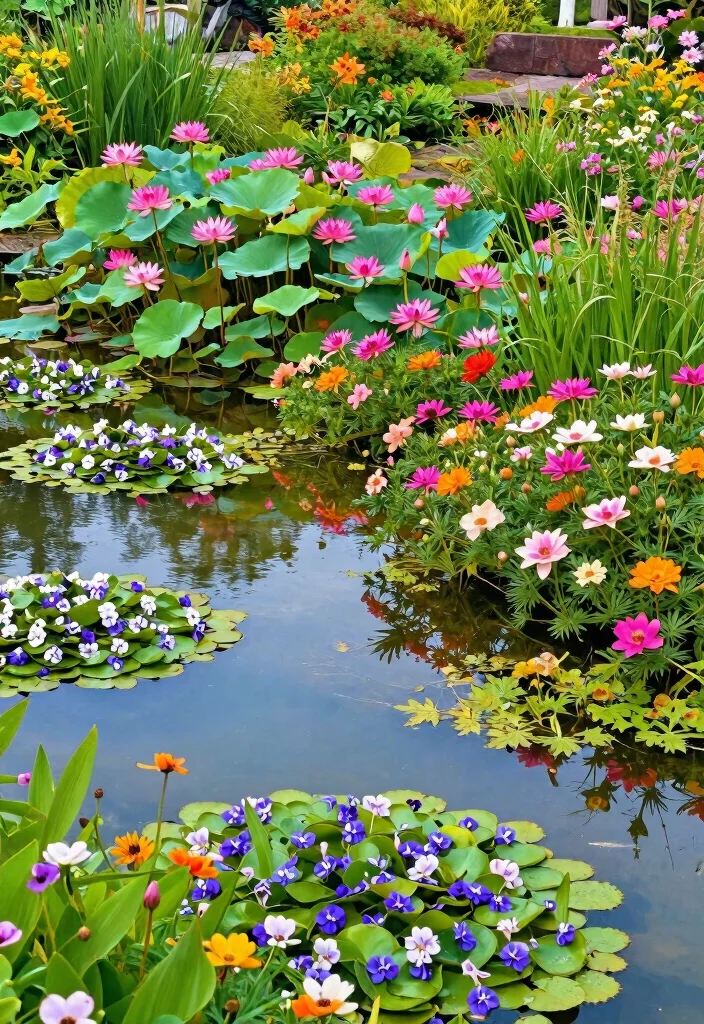
Designing a seasonal blooming pond allows you to enjoy a constantly changing display of colors and flowers all year round. By selecting a variety of aquatic and marginal plants that bloom at different times, your pond can become a dynamic centerpiece throughout the seasons.
Mix spring flowers like water violets, summer favorites like lotus, and fall blooms such as Japanese anemones to ensure that each season brings fresh life and color. This thoughtful design keeps your landscape interesting and vibrant.
Seasonal planting tips:
– Schedule planting to ensure flowers bloom successively.
– Opt for native plants for better adaptability.
– Rotate plants annually to maintain a balanced ecosystem.
A seasonal blooming pond invites new wonders to your garden, ensuring there’s always something beautiful to admire.
Fun fact: A well-planned seasonal blooming pond can offer color from spring through fall, with just 3-4 complementary plants blooming at different times. With water violets, lotus, and Japanese anemones, your estanque de patio becomes a dynamic, pollinator-friendly centerpiece year-round.
11. The Raised Bed Pond
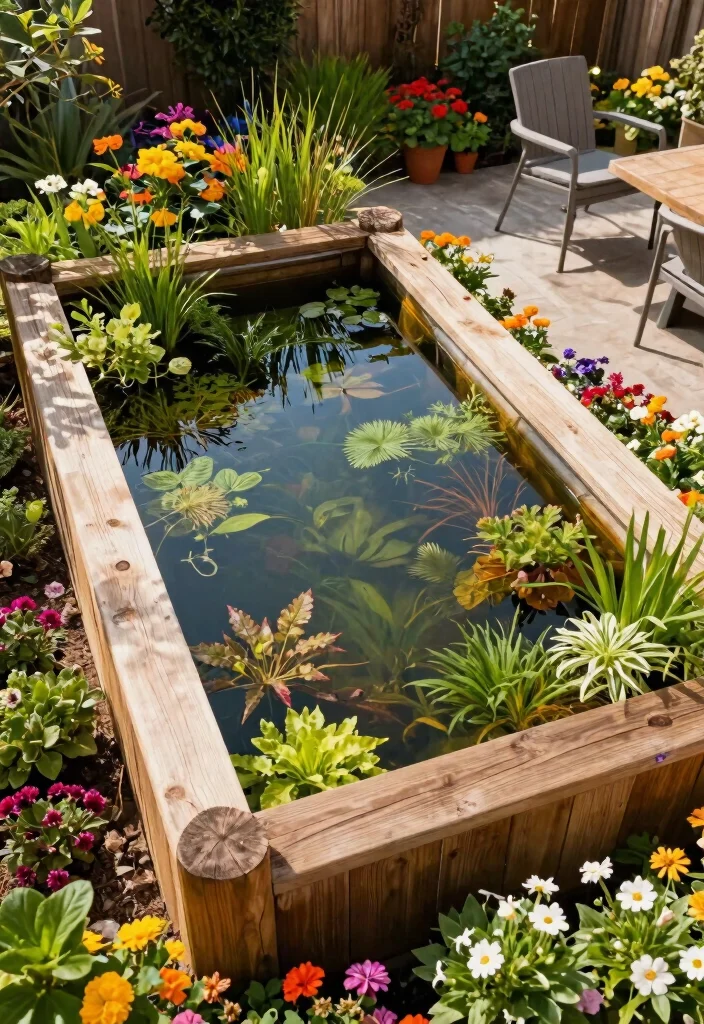
A raised bed pond offers a creative way to incorporate a water feature without digging into your yard. This method involves constructing a frame lined with waterproof material, allowing you to easily control the depth and design of your pond.
You can customize shapes and sizes to suit your space, filling the raised bed with aquatic plants that thrive in confined environments. This design makes maintenance simple and accessible, enhancing your gardening experience.
Building tips:
– Use rot-resistant wood for a sturdy frame.
– Ensure proper drainage to prevent waterlogging.
– Incorporate varying heights of plants for visual appeal.
A raised bed pond adds a modern twist to classic pond designs while ensuring ease of maintenance and accessibility.
12. The Eco-Friendly Rain Garden Pond
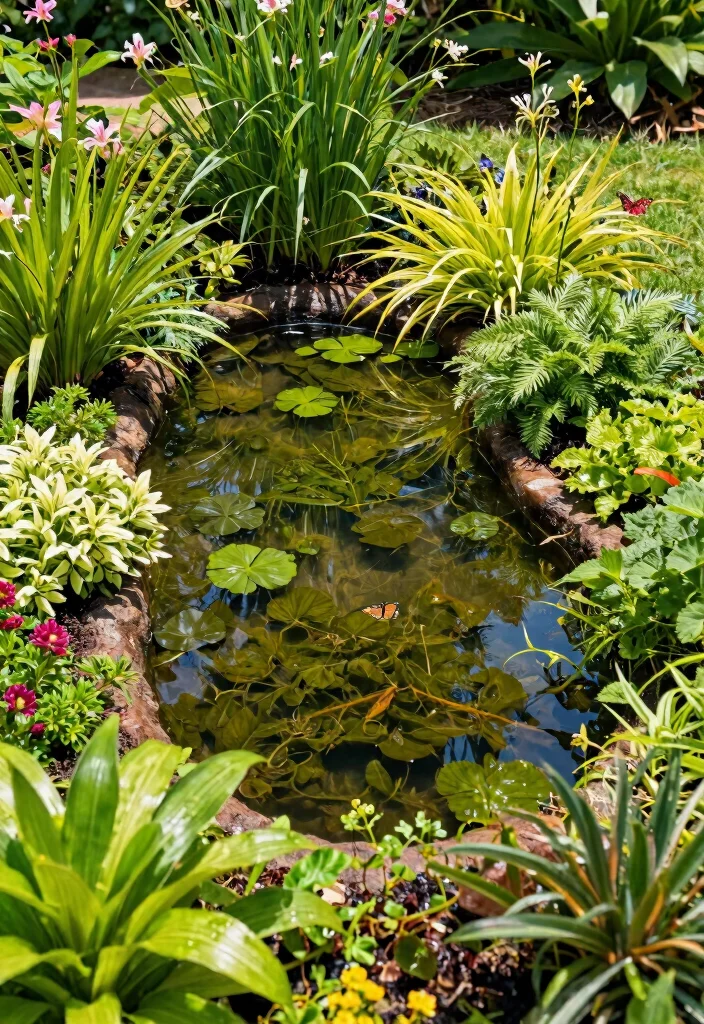
A rain garden pond is an environmentally friendly way to manage runoff while creating a beautiful habitat for wildlife. This design uses native plants to collect rainwater, forming a mini-ecosystem that benefits both the environment and your garden.
These plants not only beautify your space but also filter pollutants from stormwater runoff. Adding a small pond within the garden allows aquatic plants to thrive, attracting butterflies and birds to your yard.
Design considerations:
– Include a variety of plants that thrive in wet conditions.
– Design with natural flow to manage water effectively.
– Keep the design soft and organic to blend seamlessly with the landscape.
An eco-friendly rain garden pond enriches your garden while playing a vital role in water conservation.
13. The Colorful Fish Pond
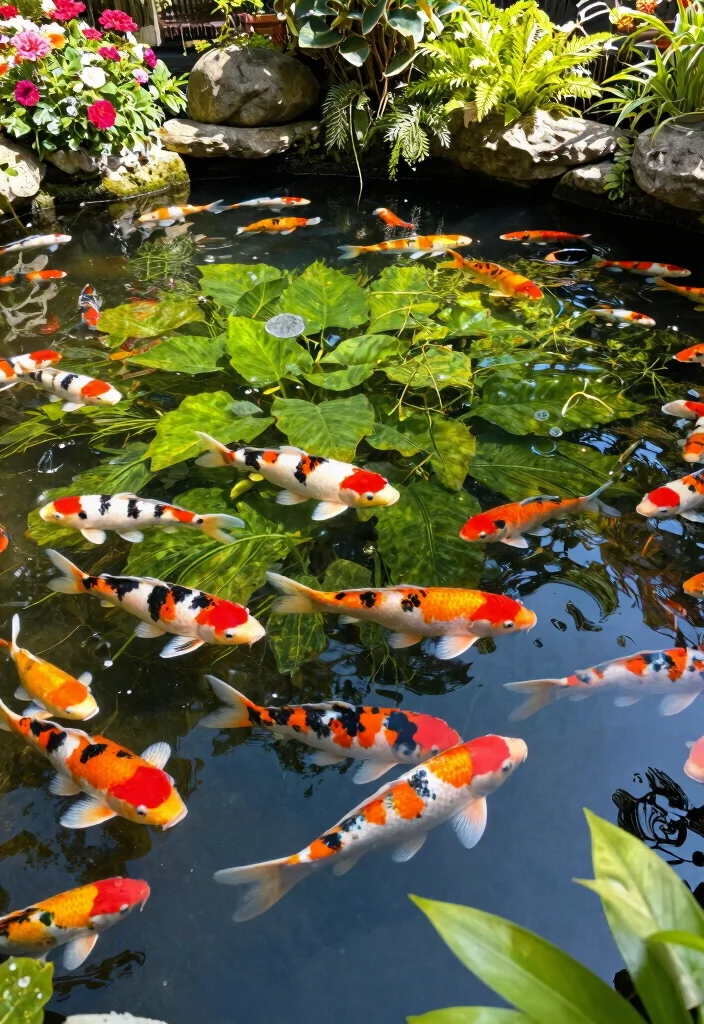
A colorful fish pond injects life and movement into your outdoor space. By introducing various fish species, you can create a dynamic ecosystem while enjoying their vibrant colors and playful behaviors. Consider adding koi or goldfish, which thrive well in pond environments.
Pair these fish with stunning aquatic plants that provide cover and oxygen, enhancing the visual appeal of your pond. The interplay of colors from both fish and plants creates a captivating display that brings joy to your garden.
Fish care tips:
– Ensure proper filtration to maintain water quality.
– Feed your fish a balanced diet for optimal health.
– Regularly check water temperature and quality.
A colorful fish pond becomes a lively centerpiece, infusing beauty and happiness into your outdoor area.
14. The Reflecting Pool
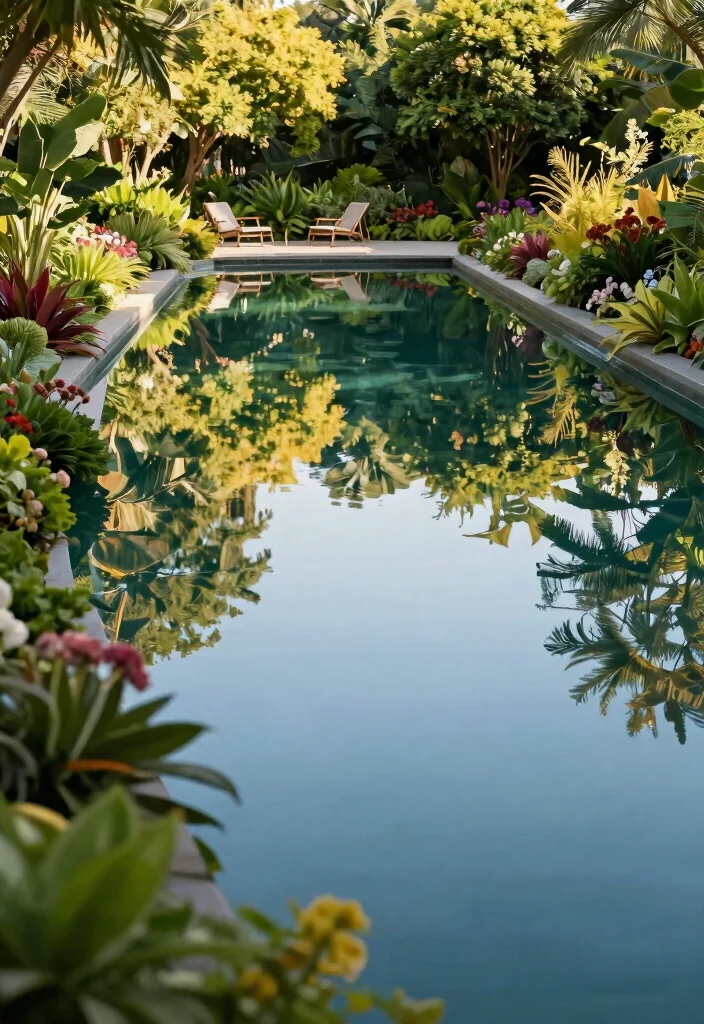
A reflecting pool adds an elegant touch to any garden, providing a space for contemplation and visual beauty. Typically shallow, these pools mirror the surrounding landscape, creating stunning visual effects that captivate the eye.
Enhance the ambiance by planting around the edges, framing the reflections beautifully. Choose plants that bloom in various seasons to keep the reflections evolving throughout the year. This tranquil setting not only beautifies your garden but also serves as a peaceful retreat for relaxation.
Creating your reflecting pool:
– Ensure a sleek and simple design to enhance reflection.
– Use shallow water to maximize reflective quality.
– Surround with diverse plants for seasonal interest.
A reflecting pool enchants with its simplicity and elegance, inviting peaceful moments in your outdoor oasis.
Conclusion
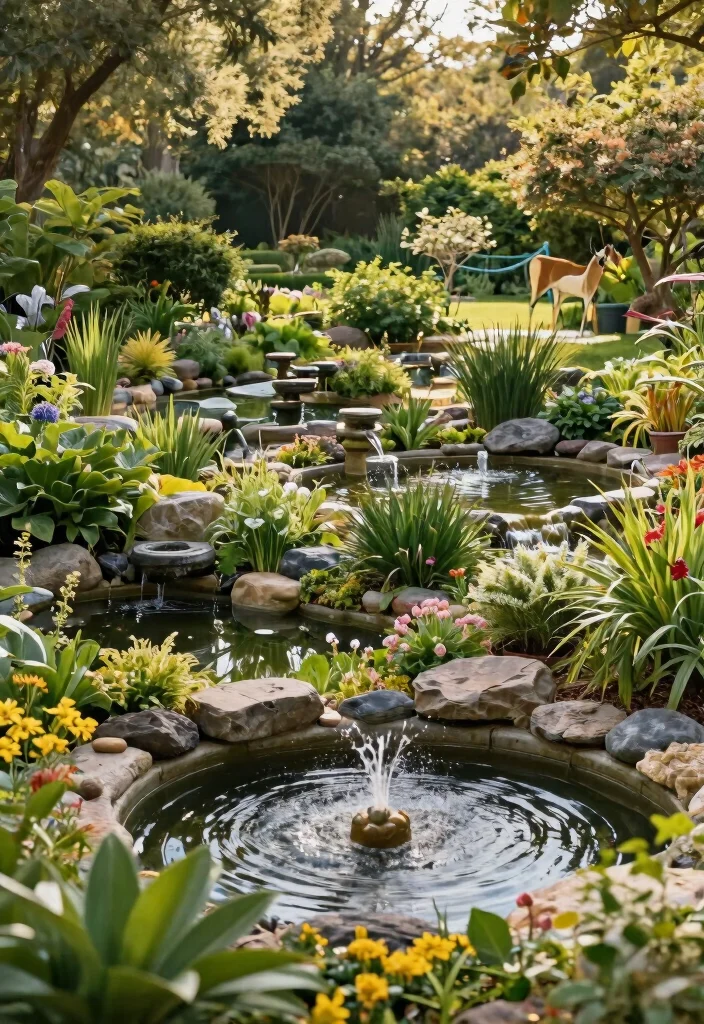
Transforming your patio into a tranquil oasis with a pond is both rewarding and feasible without the need for electricity or costly filtration systems.
These 14 ideas provide a diverse approach to creating natural, self-sustaining ponds that not only beautify your space but also support local wildlife. Every pond offers a unique contribution to the environment, ensuring your garden flourishes throughout the seasons.
Explore these concepts and let your creativity flow as you design a pond that reflects your personal style while nurturing nature around you.
Note: We aim to provide accurate product links, but some may occasionally expire or become unavailable. If this happens, please search directly on Amazon for the product or a suitable alternative.
This post contains Amazon affiliate links, meaning we may earn a small commission if you purchase through our links, at no extra cost to you.
Frequently Asked Questions
¿Qué es un estanque de patio autosustentable y cómo funciona sin electricidad ni filtros caros?
Un estanque de patio autosustentable es un pequeño ecosistema que se mantiene por sí mismo gracias a la combinación de plantas acuáticas, sustrato adecuado y un diseño que favorece la circulación natural del agua. Al no usar electricidad ni filtros caros, depende de la filtración biológica y del equilibrio entre plantas, microorganismos y sustrato.
Cómo funciona sin electricidad: el agua se mueve por gravedad y diferencias de nivel, las plantas filtrantes consumen nutrientes y oxígeno, y un borde con grava o piedras ayuda a aerar ligeramente la superficie. Un diseño de estanque natural favorece convivencias entre peces pequeños (opcional) y insectos beneficiosos.
Consejos prácticos: elige un tamaño razonable, ubícalo en sombra parcial para reducir algas, usa un sustrato rico en carbono para albergar bacterias beneficiosas y añade plantas marginales para sombrear y captar nutrientes, manteniendo un equilibrio saludable.
¿Qué plantas acuáticas son recomendadas para un estanque de patio natural sin electricidad?
Para un estanque de patio natural sin electricidad, prioriza plantas acuáticas que filtren el agua y aporten oxígeno. Opciones comunes: lirios de agua, jacintos de agua y juncos. Incluye también plantas marginales alrededor de la orilla para sombra y absorción de nutrientes. Asegúrate de elegir especies adecuadas a tu clima y evita introducir especies invasoras, que pueden desequilibrar el ecosistema.
¿Qué cuidados de mantenimiento de estanques sin filtros se deben seguir para mantener el agua clara y saludable?
Mantén un enfoque de mantenimiento de estanques ligero y constante: revisa semanalmente la claridad del agua, retira hojas y detritos de la superficie, y controla el crecimiento de algas mediante la combinación de plantas acuáticas y sombra natural. Practica la rotación de plantas para evitar una proliferación descontrolada y evita el uso de químicos agresivos que puedan dañar la fauna beneficiosa. Un manejo equilibrado entre estanque de jardín y plantas acuáticas mantiene el agua clara sin necesidad de filtros caros.
¿Qué diseños de estanques funcionan mejor en espacios pequeños y qué elementos se deben considerar en el diseño de estanques?
En espacios pequeños, opta por formas simples (círculo o rectángulo) que maximicen la superficie de agua visible y la facilidad de mantenimiento. Juega con diferentes profundidades para crear refugio a fauna acuática y reducir algas. Elementos clave de diseño de estanques: bordes definidos, sustrato adecuado, rocas y vegetación marginal para filtración y sombra, y un punto focal natural como una pequeña cascada suave si lo permitiera el diseño. Con un buen plan, puedes lograr un estanque de jardín que parezca grande y natural, sin depender de electricidad.
¿Qué indicaciones prácticas de mantenimiento semanal pueden ayudar a mantener un estanque de patio autosustentable?
Checklist semanal para un estanque de patio autosustentable: 1) observa la claridad y color del agua; 2) retira hojas y residuos para evitar descomposición; 3) recorta o redistribuye plantas para evitar que una especie domine; 4) añade agua si hay evaporación y verifica que los niveles sean estables; 5) inspecciona bordes y sustrato para evitar filtraciones; 6) vigila posibles mosquitos y toma medidas preventivas con plantas marginales; 7) evita fertilizantes cercanos que alimenten algas. Siguiendo este mantenimiento de estanques, tu estanque de jardín se mantendrá equilibrado y saludable sin filtros caros.
Related Topics
estanque de patio
sustainable gardening
natural ponds
aquatic plants
low maintenance
garden design
eco-friendly features
backyard oasis
beginner friendly
water features
outdoor aesthetics
filterless ponds