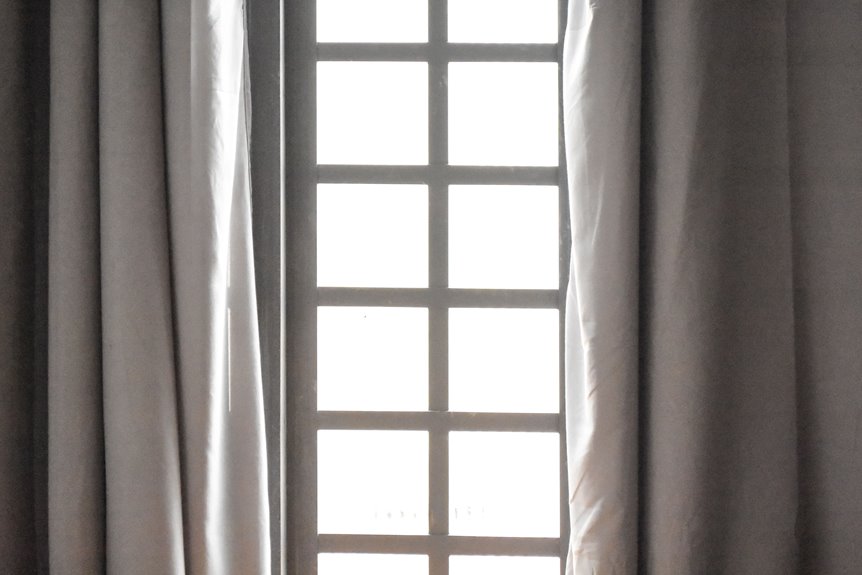
I used to think blackout curtains were just for sleeping in past sunrise, but they actually slash heat gain by up to 45 percent when installed properly. That’s the difference between a sweltering living room and one that stays bearable through July afternoons. The magic isn’t just the dense fabric (270–420 GSM, if you’re nerdy like me and ask), it’s that thermal lining and a proper 1–2 inch air gap behind the curtain that slow heat transfer effectively. White-backed panels facing the window reflect solar radiation back outside, while all-black ones absorb it and radiate warmth inward. A lesson learned the hard way in my first apartment. Wall-to-wall installation with minimal gaps (think Athena Calderone’s Elle Decor spread) stops the chimney effect that pulls hot air in. Layering cellular shades behind blackout drapes provides excellent insulation for home theater rooms. Close them during peak sun and you’ll see measurable reductions in cooling bills.
Do Blackout Curtains Block Heat, or Just Light?
Why do we even buy blackout curtains in the first place? I used to think it was just for that blissful, cave-like darkness until I saw my energy bill.
Blackout curtains absolutely block heat, not just light. They’re warriors against solar radiation. That thermal lining works like insulation for your windows, fighting heat gain while you sleep.
Blackout curtains don’t just darken rooms—they’re thermal warriors that block solar radiation and insulate windows against heat gain while you sleep.
Dense fabric, typically 270-420 GSM like heavy West Elm panels, creates serious energy efficiency. The air gap between the curtain and window, about 1-2 inches, dramatically slows heat transfer through basic physics.
Proper window installation matters too. Install curtains wall-to-wall, floor-to-ceiling, with gaps sealed tight. Studies show 30-45% heat reduction. Your AC will work less, reducing energy costs.
How Blackout Curtain Weight and Lining Slow Heat Transfer
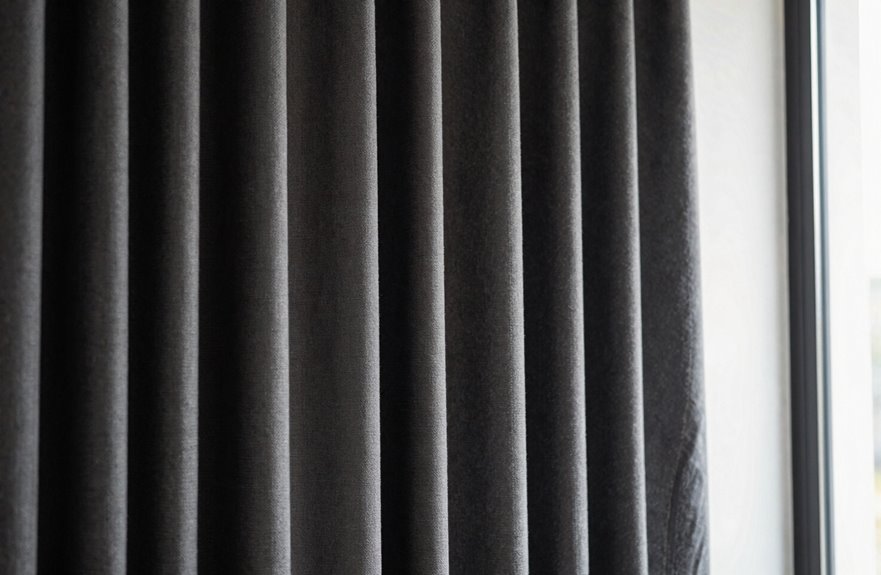
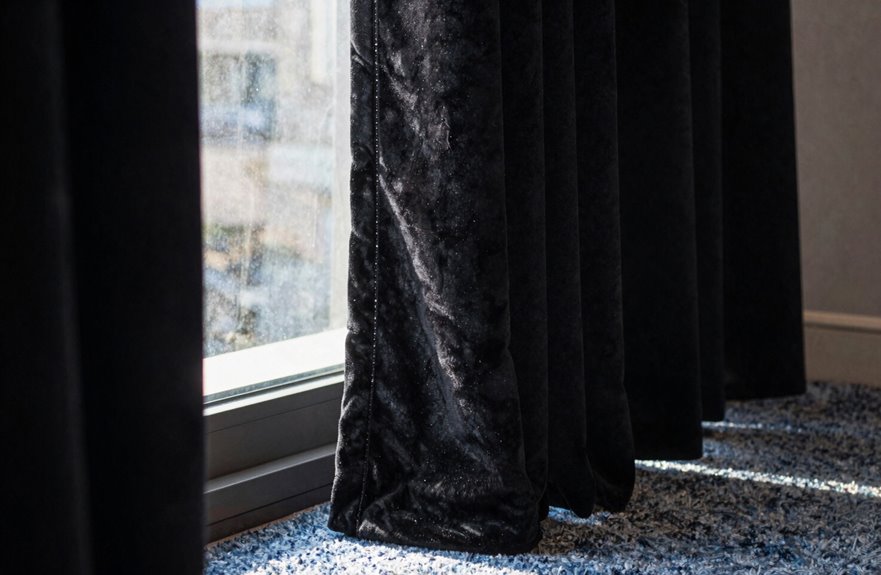
I stood in West Elm last summer, arms full of curtain samples, and realized I’d been doing this all wrong. I’d been ignoring GSM entirely. Heavier blackout curtains, think 270 to 420 GSM, actually absorb solar energy before it hits your glass, and that 420 GSM velvet creates insulating air pockets that significantly impact thermal performance.
Thermal lining with triple-pass construction outperforms single-layer alternatives. I hung mine with a 1–2 inch air gap from the window, which slows heat transfer in both directions. Wall-to-wall coverage with minimal edge gaps maximizes thermal efficiency. You’re essentially building a barrier against solar gain. Fabric weight directly affects the curtain’s ability to regulate interior temperature.
Why White-Backed Blackout Curtains Outperform All-Black Panels
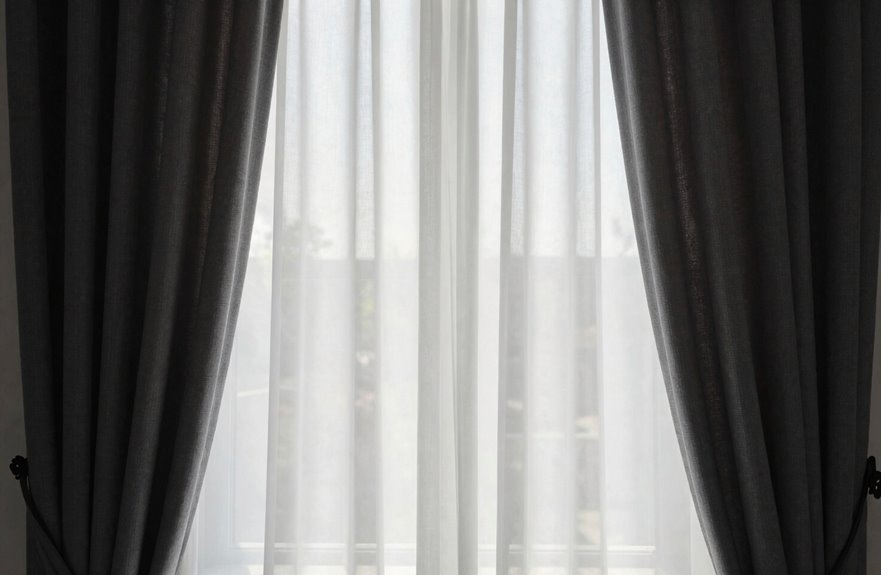
I used to think all blackout curtains were basically heat-trapping twins until I saw a side-by-side photo from a thermal camera test (embarrassing, I know, I’m the friend who buys the wrong thing and learns the hard way). That white backing facing the window acts like a tiny mirror, bouncing solar radiation right back through the glass before it even thinks about warming your room, while all-black panels just soak it up like a skillet on a stove. If you’re shopping ready-made, flip that tag and check the back. I’ve stood in IKEA squinting at curtain liners like a detective, and finding that white reverse side can reduce your summer cooling costs significantly.
Solar Reflection Physics
How exactly does a curtain color you can’t even see from your couch affect your summer electric bill. The real performance factor happens with the backing. That white surface facing your window glass reflects solar radiation back outside before it enters your living space. When solar reflection hits that reflective backing, the energy bounces away without being absorbed into the curtain fabric. All-black panels absorb that energy, heat up significantly, and radiate warmth directly into your living room. For thermal performance that reduces cooling costs, position that white side toward the glass. Less heat transfer means less heat gain and lower AC bills.
Installation Color Strategy
- A light-colored back signals serious reflective performance, slashing heat transfer before it starts.
- Dark fabric facing your room absorbs energy while that bright side battles radiant heat; this combination maximizes efficiency.
- Always verify the window-facing side when buying, or flip existing panels for an immediate performance improvement.
Pair this with proper installation and quality lining, and you’ve got a heat-blocking fortress. Your AC bill will show measurable savings from this approach.
How Gaps Around Blackout Curtains Create a Chimney Effect
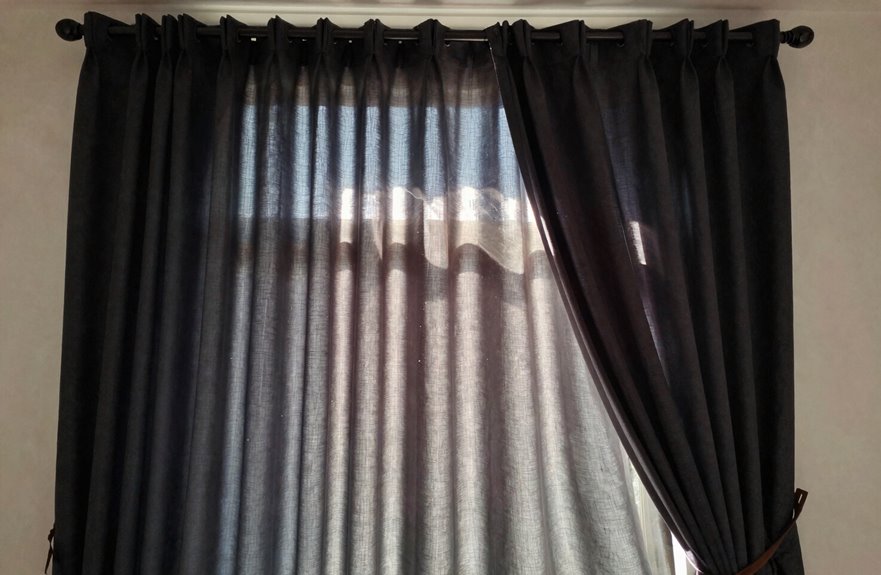
Why do my beautifully hung blackout curtains still leave me sweating by midday? I’ve been there, friend, staring at my “perfect” windows wondering what went wrong. Gaps around your blackout curtains are sabotaging you through the chimney effect. Hot outdoor air sneaks behind the fabric, rises to the top, and creates a convection loop that pulls cooler room air upward to be heated. It’s like a tiny fireplace you never wanted. Air leakage through these gaps fuels constant heat gain, making your AC work overtime. I learned this the hard way last July. To seal gaps properly, aim for edge-to-edge coverage: return panels to the wall, overlap centers by four inches, and let them kiss the floor. Add side seals, using Velcro, magnets, or other methods to stop that sneaky chimney effect. Proper sealing will significantly reduce indoor temperature fluctuations and lower cooling costs.
Blackout Curtains vs. Cellular and Solar Shades: Heat Blocking Compared
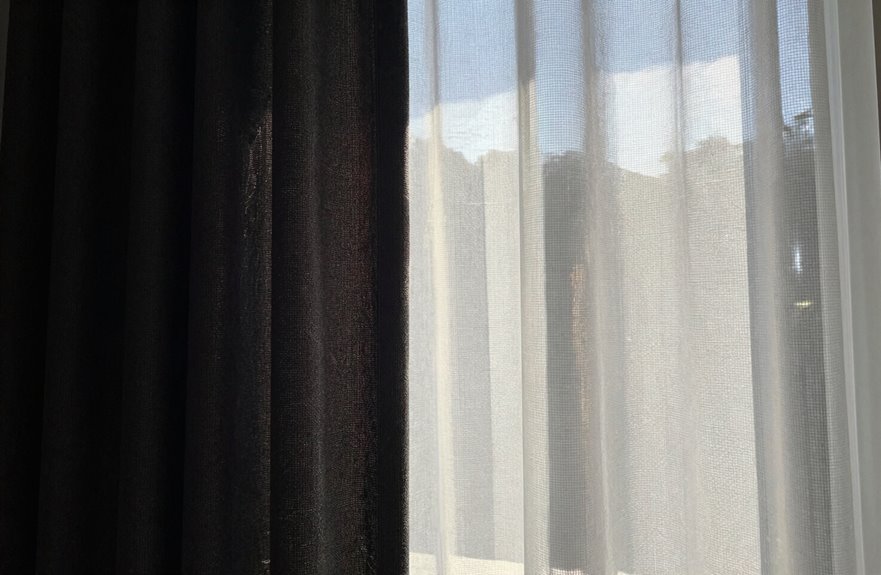
I’m glad we’re examining this comparison, because ineffective window treatments waste energy and money. When I look at shade performance breakdown, blackout curtains with thermal lining block 30-45% of heat gain when installed wall-to-wall with minimal side gaps. Cellular shades with honeycomb air pockets actually exceed them on pure insulation value per square inch. My friend Sarah’s Hunter Douglas Duette shades provide excellent thermal performance.
For best use cases, the setup matters significantly. Solar roller shades let some heat through while cutting glare effectively. If you need both darkness and temperature control, layering cellular shades inside your window frame with blackout drapes outside delivers superior results. This combination approach prevents the high cooling costs that come from inadequate window insulation.
Shade Performance Breakdown
So how do we actually stack these things up in the real world? I’ve tested this myself (okay, fine, I melted in a west-facing apartment first), and here’s what I’ve learned about blackout curtains versus the competition.
Blackout curtains slash heat gain when you nail the specs; dense fabric, that thermal lining, the works. I always leave an air gap of about 1–2 inches between curtain and glass. It’s like a mini buffer zone. Exterior mounting with serious edge overlap matters too, or you’re basically air-conditioning the neighborhood.
- Dense 270–420 GSM fabric with thermal backing absorbs radiant heat before it hits your glass
- Wall-to-wall coverage with 4–6 inches of edge overlap stops sneaky convection currents
- Close them before peak sun exposure, or you’re fighting a losing insulation comparison against cellular shades’ trapped air magic
Best Use Cases
Where exactly do blackout curtains pull ahead of cellular and solar shades in the heat-blocking showdown? They perform best with complete installation coverage: wall-to-wall, floor-to-ceiling installation with 4–6 inches of overlap, sealed top and bottom like an envelope around your windows.
The effective combination is heavy fabric weight (420 GSM velvet rather than lightweight materials) plus thermal backing that resists solar gain. In my south-facing bedroom, standard polyester provided minimal heat reduction until I added a 1–2 inch air gap, which noticeably slowed heat transfer.
For maximum heat reduction, layer multiple solutions. Pair your blackout curtain with weatherstripping, outside mounting, and removable liners. This approach combines practical elements similar to wearing thermal layers under outerwear, and reduces your AC costs.
3 Rooms Where Blackout Curtains Beat Other Window Treatments
Why do I still get that little thrill every time I walk into a bedroom with properly hung blackout curtains? Because I’ve felt the difference. No more 6 a.m. saunas, no more tossing off covers like I’m escaping a bear hug.
I’ve battle-tested this in three rooms where nothing else competes:
- Bedrooms: I run thermal-lined blackout curtains with wall-to-wall coverage, and that dense fabric (think 320 GSM, triple-pass like the ones in that Elle Decor spread on Athena Calderone’s place) drops heat gain by 30-45%. I always outside-mount 6 inches past the frame, leaving that essential 1-2 inch air gap. Convection reduction works.
- Home theaters: Layered treatments with cellular shades behind blackout panels create a setup that rivals any boutique cinema.
- Nurseries: Overheated babies won’t scream as much with proper light and temperature control.