
A 55-inch television needs a console that extends a few inches past the screen on each side, which puts most units between 60 and 66 inches wide.
The choice comes down to how much storage you need, whether you want the unit to float or sit on the floor, and what material fits the room’s existing style.
1. Floating TV Shelves
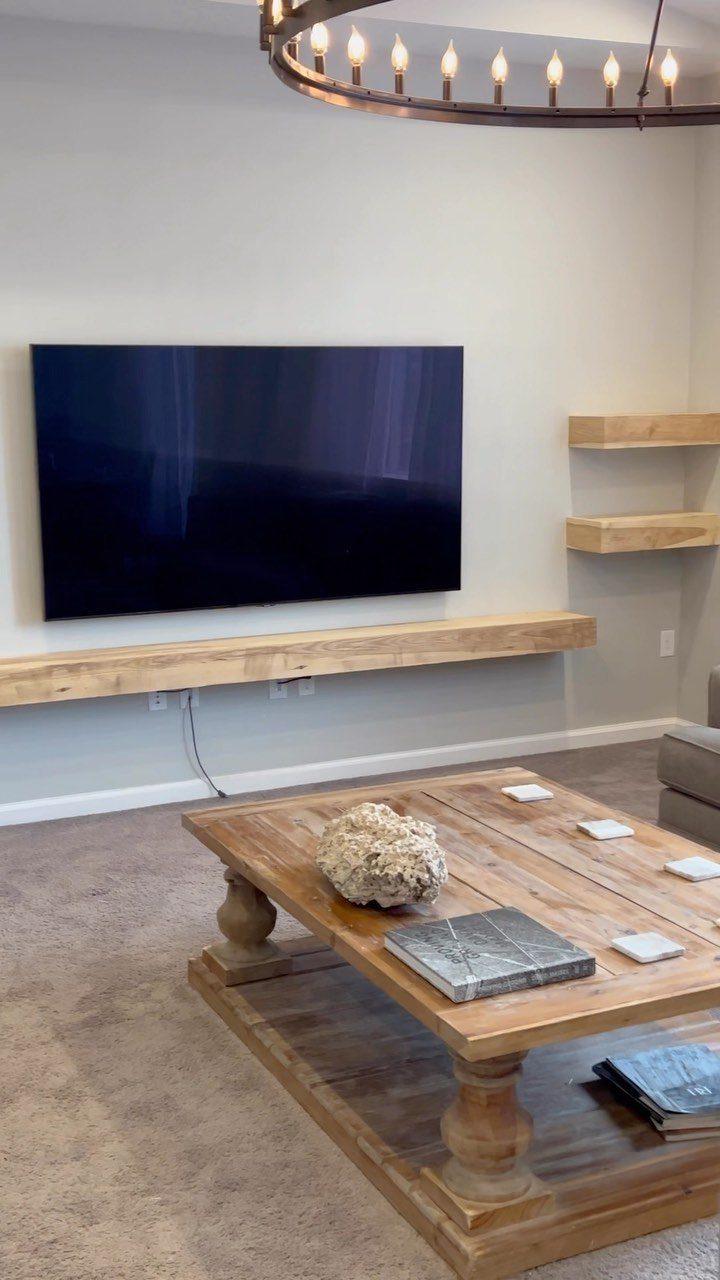
A wall-mounted television paired with a few floating shelves keeps the floor clear and lets the unit breathe. I like this approach in smaller rooms where a full console would eat too much circulation space.
The main shelf sits directly below the screen, wide enough to hold a soundbar or a streaming device, and the side shelves work for decorative pieces or small storage without crowding the wall.
Installation means finding studs and getting the heights right before you drill, so measure twice. The look stays clean as long as you keep the shelf count low and the finishes consistent.

Universal TV Mount: The TV wall mount fits for most 32-70 inch TVs up to 99 lbs, with VESA of 75x75mm - 400x400mm. The TV mount can be mounted to 12/16 Inch wood studs, concrete, or brick walls. Please verify the size, weight, and VESA pattern of your TV before purchase. For other screw sizes, please contact us.

Universal TV Wall Mount: TV bracket fits most 32-70" TVs up to 110 lbs, with max VESA of 400mm x 400mm / 16" x 16" mounting hole spacing, designed for standard 16" studs. If your wood stud spacing exceeds 16 inches, please refer to the 16", 18", 24" wood stud full motion TV mount MD2380-24K

Universal TV Mount - This full motion TV mount fits most 26-60 inch TVs with vesa patterns range from 100x100mm(4x4”) to 400x400mm(16x16”) and holds up to 77 lbs./35kg. Please check TV weight, size, vesa, and input access before purchase.
2. TV Unit with Storage
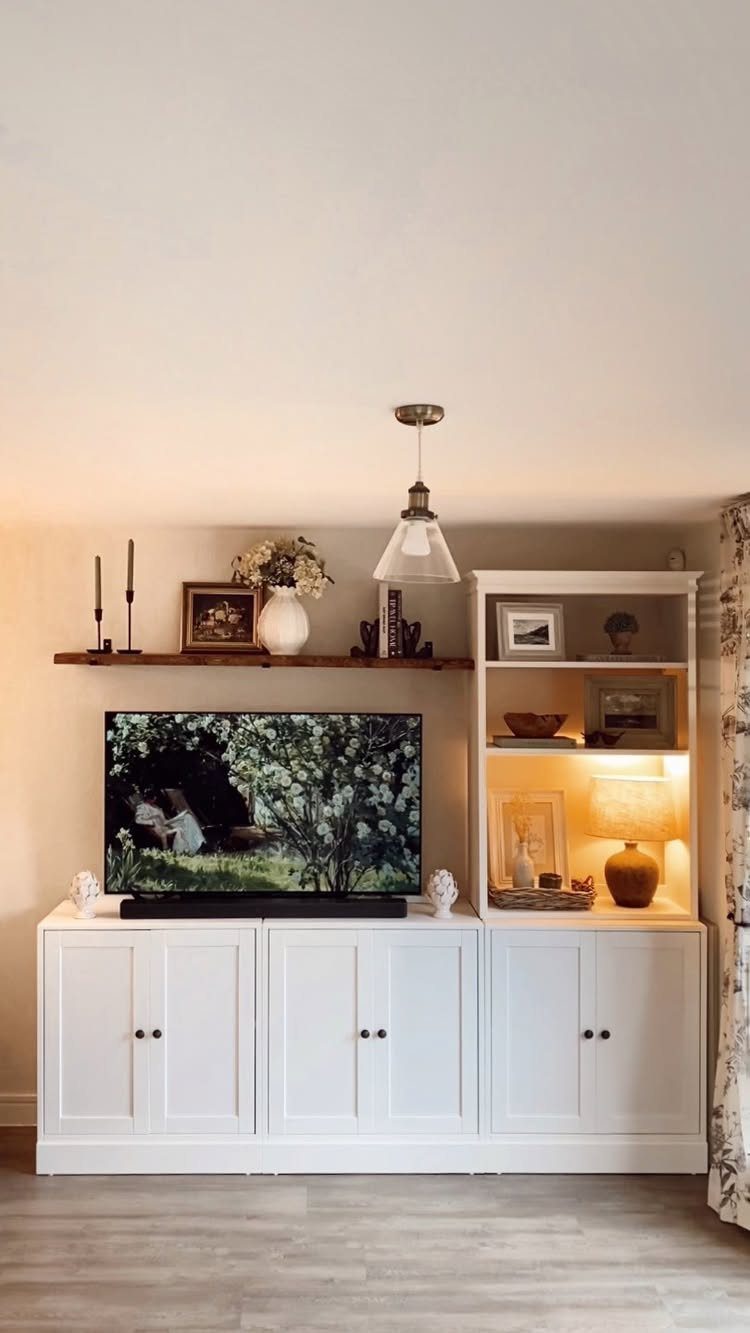
Closed cabinets are what make a TV unit work when you need to hide game consoles, routers, receivers, and all the cables that come with them.
This version pairs a low white unit with a side bookshelf, which adds vertical storage without blocking the television. I’ve used this setup in client living rooms where keeping the screen clear meant dealing with clutter somewhere nearby.
The PS5 and similar equipment fit inside the cabinets, and the bookshelf holds what you want visible. Choose a unit with ventilation holes in the back if you’re storing anything that generates heat.
Optimize Your Space: Size: 43.7"L x 11.0"W x 8.9"H. Our floating tv stand saves valuable floor space and includes generous storage for all your media essentials - routers, DVD players, remotes, projectors, set-top boxes, game consoles, TV components, and decorations

【2-Tier Storage for All Your Devices】This 2-tier floating entertainment center features 3 open storage compartments, ideal for your streaming device, Wi-Fi router, gaming console (PS5, Switch), remote controls, books, and decorations. Fits perfectly under a wall-mounted TV up to 55”.

Multi-Port Charging Station & Ambient Lighting: The floating TV shelf features 3 AC outlets and 2 USB ports for easy charging of your TV, gaming console, Wi-Fi router, DVD and more. Plus, an adjustable LED light offers color customization for a cozy ambiance
3. Wooden TV Unit
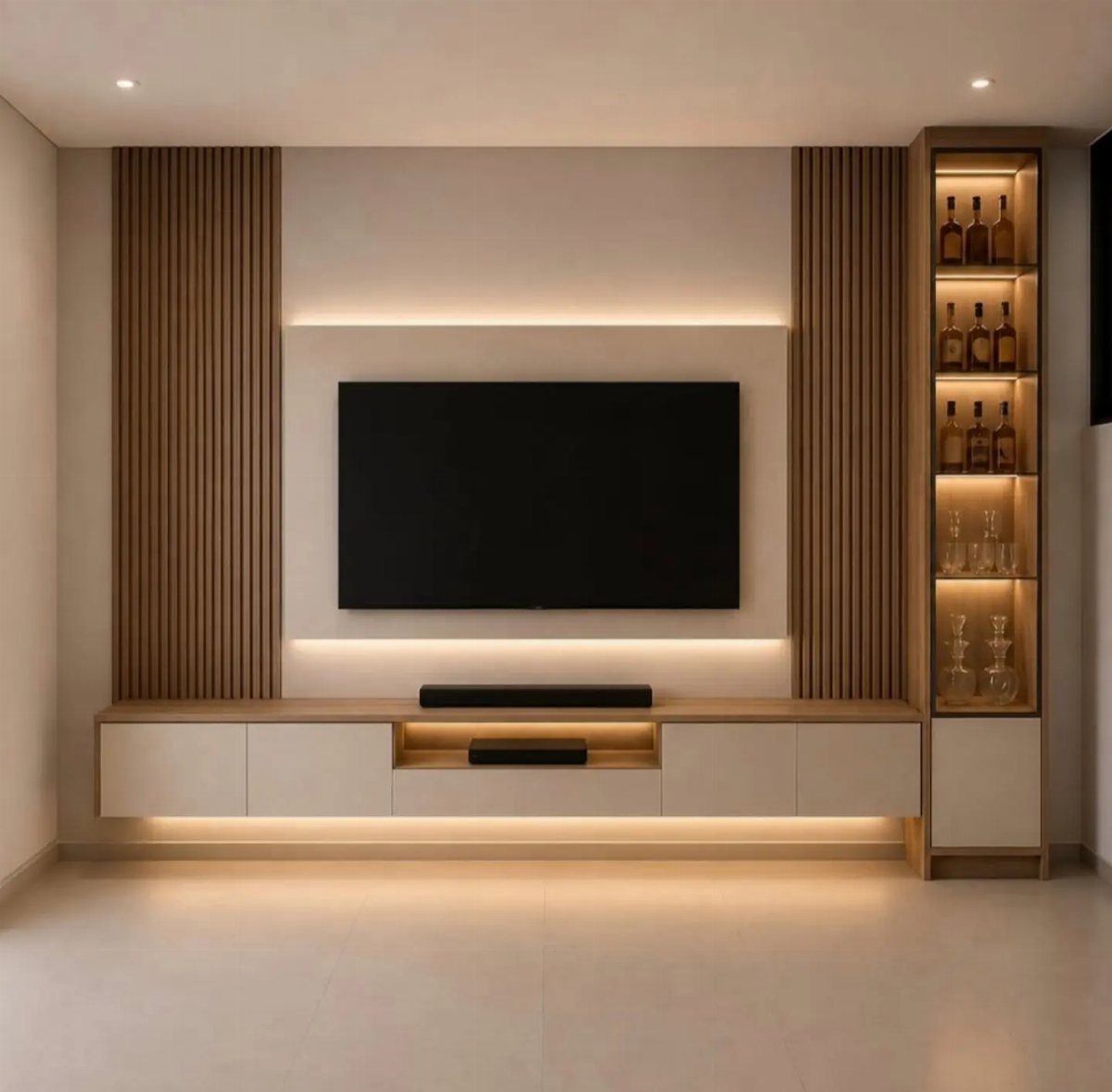
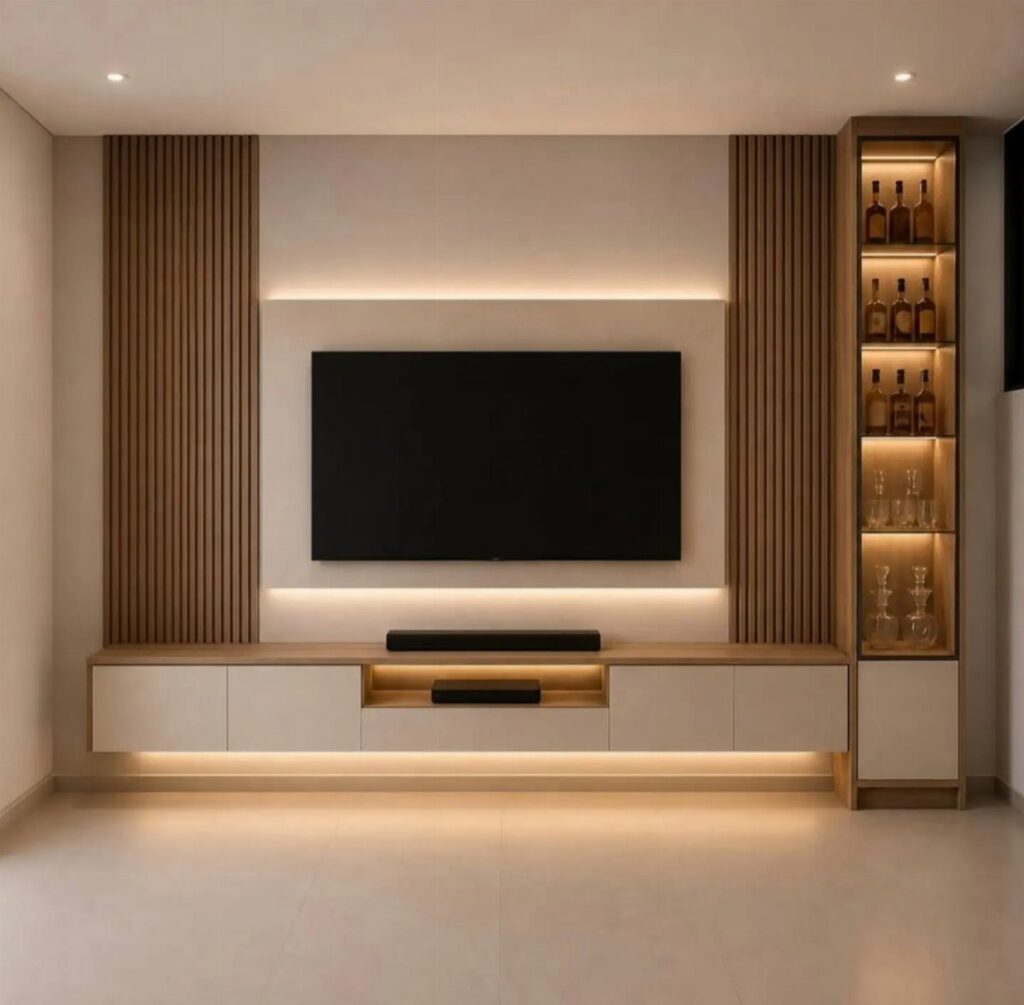
Wood brings warmth to a television wall in a way that painted or lacquered finishes don’t. I reach for this idea when the room feels cold or when the TV is the only thing on a long wall.
The slats add rhythm, and the illuminated shelves give you a place for bottles or decorative objects without looking like an afterthought. Keep the console depth shallow if the room is tight.
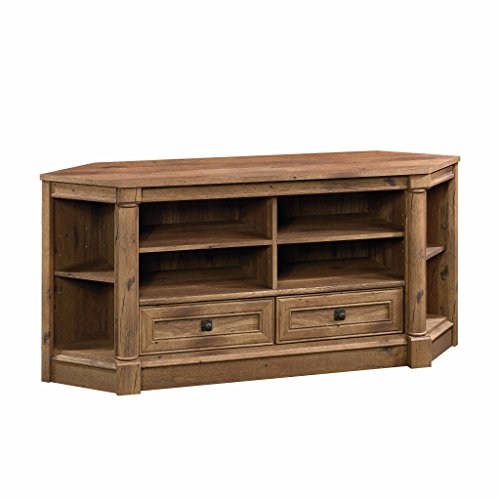
SPACE-SAVING DESIGN – This corner entertainment stand fits snugly in your living room, making it perfect for movie nights or binge-watching your favorite shows with family and friends

【𝗙𝗶𝘁 𝟵𝟬° 𝗖𝗼𝗿𝗻𝗲𝗿 𝗣𝗹𝗮𝗰𝗲】: ---Both sides of the small TV stand adopt a 45° beveled edge design. This design allows the TV stand to fit a 90° corner perfectly. It is ideal for bedrooms or other small spaces.

SPACE-SAVING TRADITIONAL DESIGN: This corner TV stand has a mahogany finish and genuine metal hardware in an antique bronze finish. Classic turned feet and beautiful raised panel doors on the side cabinets make it a perfect fit for modern farmhouse decor.
4. TV Unit for Living Room
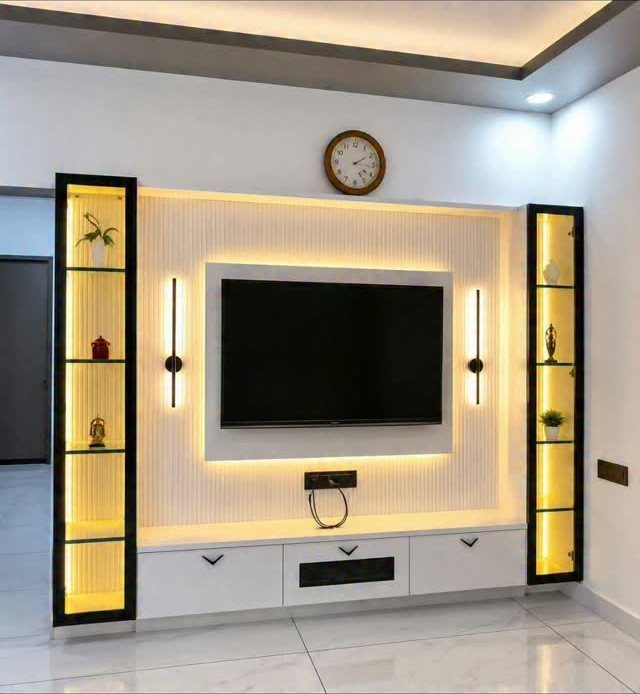
A backlit panel behind the television adds dimension and turns a small living room into something that reads more finished.
This version uses a low white cabinet for storage, tall glass display units on either side, and integrated LED strips that outline the screen.
I like this layout when the TV wall is also the focal point and you want the setup to feel intentional.
The lighting softens the screen’s glow at night, and the side units hold glassware or decorative pieces. If your living room is narrow, keep the side cabinets slim or skip one entirely.

[The Media Player Stand Features Three Storage Layers with A Well - Designed Spacing]Media player rack has three layers of storage space, each layer is reasonably spaced.It is suitable for various media players, game consoles, projectors, etc,achieving integrated storage. This saves your desktop space, keeping your entertainment area more organized and tidy, and fully meeting your storage needs for different types of players.

Warming Tips: Not sized to fit Xbox 360 game cases or DVDs. Slot Dimensions: 0.59 in Width × 6.85 in Height

Elegant Japandi Style: The warm natural oak finish and clean silhouette give this oak tv stand for living room a simple modern look that blends well with contemporary, minimalist, casual, and light wood interiors. It works beautifully as a entertainment center for living room or tv console in a variety of home styles.
5. Glass and Metal Unit
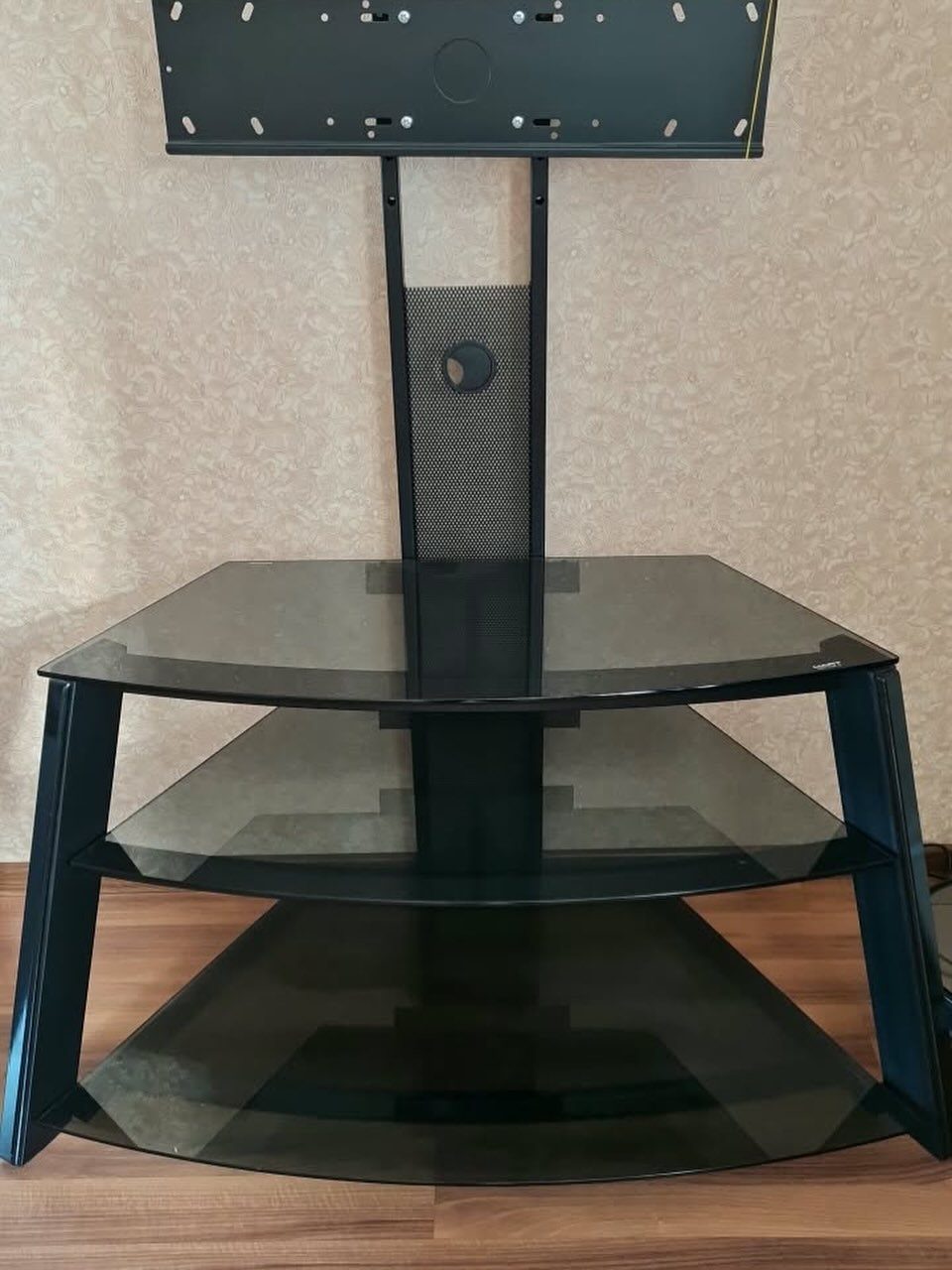
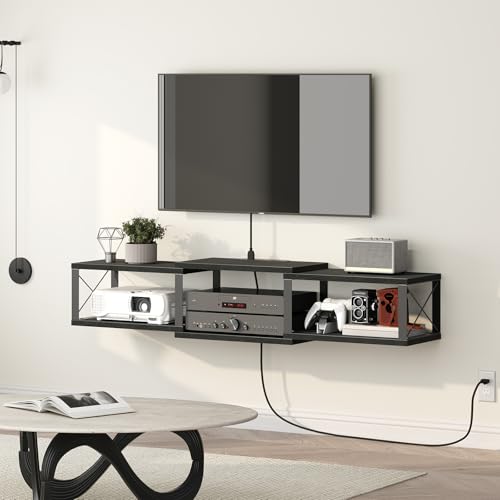
Glass shelves on a metal frame keep the unit light and let you see through to the wall behind.
This type works best in rooms with limited floor space or where you want the television to float visually. The tiered shelves give you 3 levels for equipment, so a receiver can sit below a streaming box without stacking them.
I use this idea when the client wants something contemporary that doesn’t block sightlines. Metal-and-glass units need careful assembly, and they show every fingerprint, so plan to wipe them down.

Match Home Decoration Styles and Reflect Your Special Aesthetic: Mixing modern and rustic design, this stylish modern grey TV stand features classic wood grain board and X-shaped metal frame that can perfectly match varieties of home decoration styles and reflect your special aesthetic.

TV Mount Included: Made of high-strength reinforced steel, this bracket is sturdy and durable with a maximum load capacity of 70 lbs, compatible with 32–75 inch TVs

Light Grey TV Stand, 55-Inch Media Console: This TV stand features a light gray wood grain surface with a black metal frame, blending rustic modern styles. Ideal as media console for living rooms, bedrooms, or entertainment rooms, enhancing any home decor
6. Brick Tile TV Wall
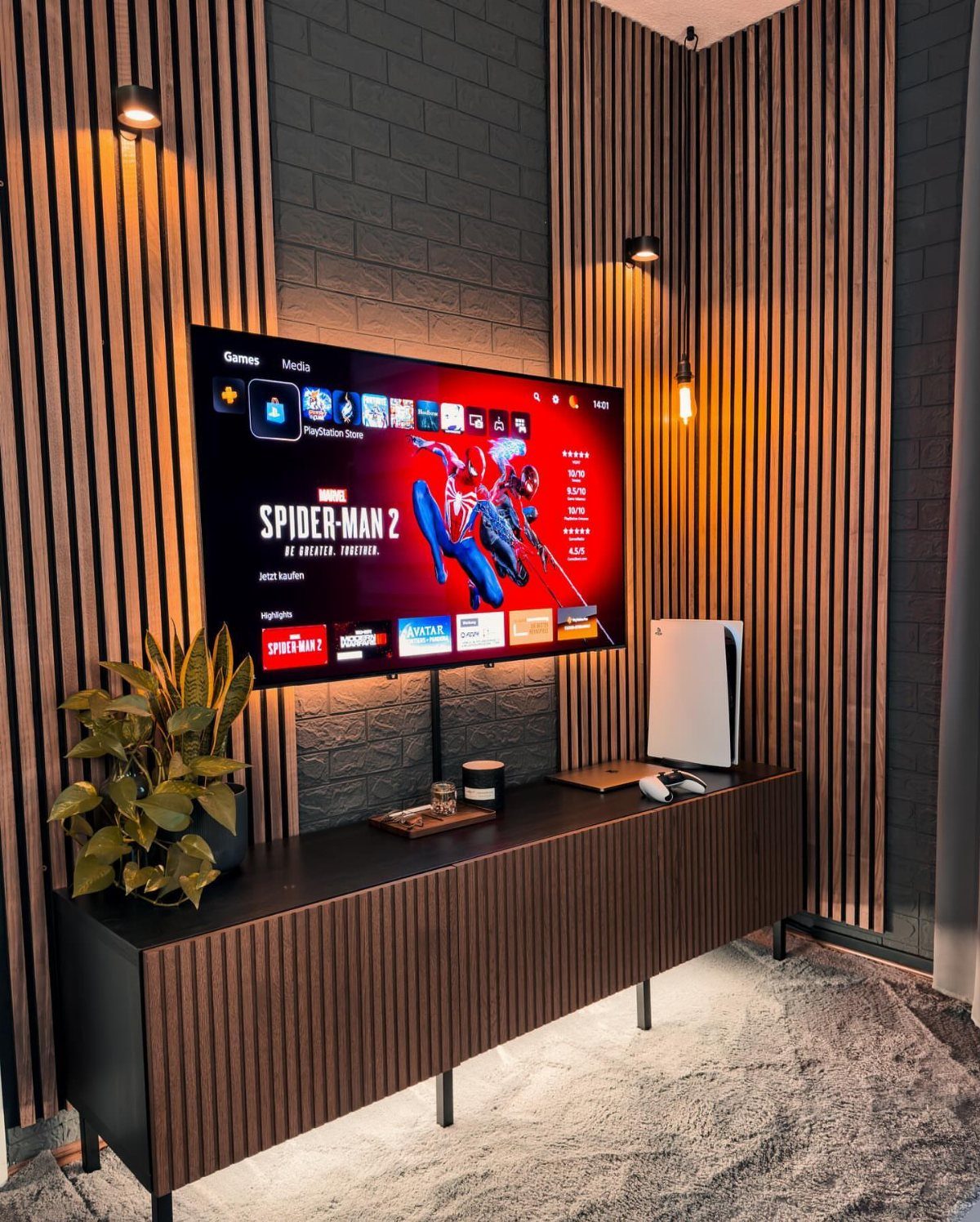
A brick-tile wall behind the television adds texture and defines the screen without competing with it.
This setup pairs dark grey brick tiles with vertical wood slats on each side and a low wooden console below, so the whole wall reads as one composed piece.
I like this approach when the TV would otherwise sit on a plain white surface and disappear.
The brick gives the eye something to land on, and the slats frame the screen without adding bulk. If you’re installing tile, plan for grout joints and make sure the wall can take the weight.

TV wall mount for an elevated viewing experience. This wall mount fits for most 32-65 inch TVs with VESA patterns from 100x100mm to 400x400mm, which loads up to 99 LBS. Please check the wall type, TV weight, VESA pattern, and reference TV size before purchasing this TV bracket. DO NOT install into drywall alone.
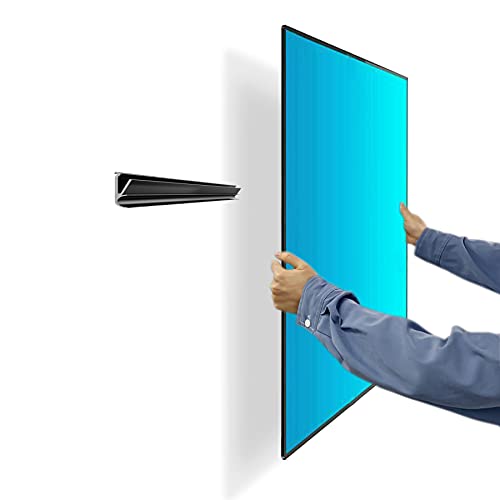
STUDLESS TV WALL MOUNT Compatibility: Drywall TVs bar fits SAMSUNG, SONY, LG, VIZIO, TCL, ELEMENT, SCEPTRE, HISENSE and other TV brands between 13 and 55 Inch screen sizes and up to 99 lbs with VESA size 100x100mm to 400*400mm (The VESA mounting patterns are the distances (in mm) between the four screw holes on the back of the TV) accommodating the majority of TV models on the market

Universal Compatibility: Our tilting TV wall mount fits most 24" to 65" TVs weighing up to 99 lbs. Features a universal VESA plate compatible with patterns from 100x100mm (4"x4") up to 400x400mm (16"x16"). Always verify your TV's VESA pattern, weight, and wall type before purchase.
7. Recessed Television Wall
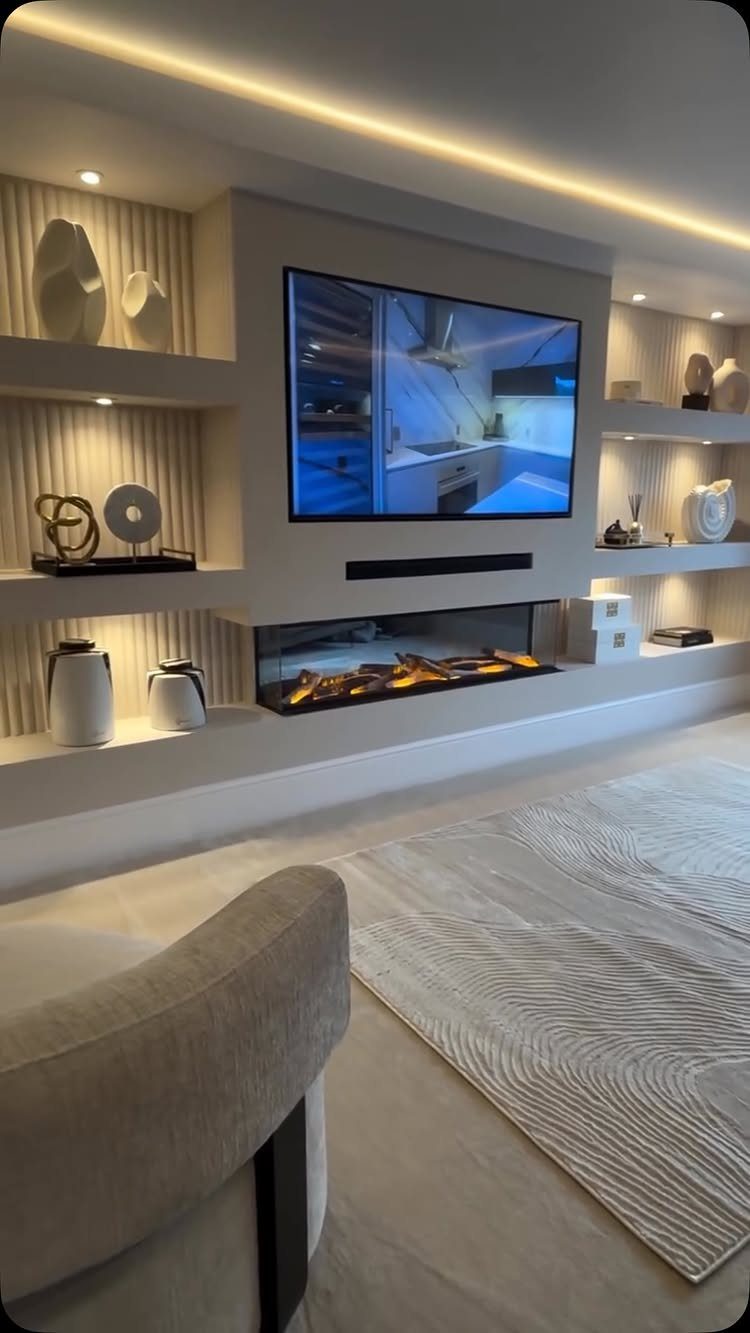
A recessed installation puts the screen flush with the wall plane, so the television reads as part of the architecture instead of an object mounted to it.
The recess frames the screen, and the shadow line around it pulls the eye in without needing a painted border or a panel.
The recessed treatment works best when you want the TV to disappear into the wall rather than announce itself. The shelves flanking the screen give you space for books or decorative pieces, and the fireplace below balances the vertical height.
If you’re cutting into the wall, make sure the framing can hold the television and that you leave room for ventilation behind the screen.

Wall Mounted TV Stand with Power Outlets: With 4 standard plugs, the floating TV stand is suitable for use with TVs, game consoles, WiFi router, DVDs, CD players, etc., simplifying power access for your components

【SPACE SAVING DESIGN】Our 2-story modern wall-mounted floating shelf with 3 open front cube shelves frees up valuable floor space. This floating TV console is very suitable for xbox one, PS4, routers, DVD players, remote controls, cable boxes, TV components

Elegant Floating TV Cabinet: The floating tv stand adopts elegant curved edges, a walnut-grain finish, and high-end metal handles, showing a minimalist and elegant aesthetic; Mid century modern tv stand can easily and perfectly blend into any furniture decoration style, from retro to contemporary diverse home styles, enhancing the atmosphere of the living room or bedroom, and becoming the focus of enhancing the style of the space
8. TV Unit with Display
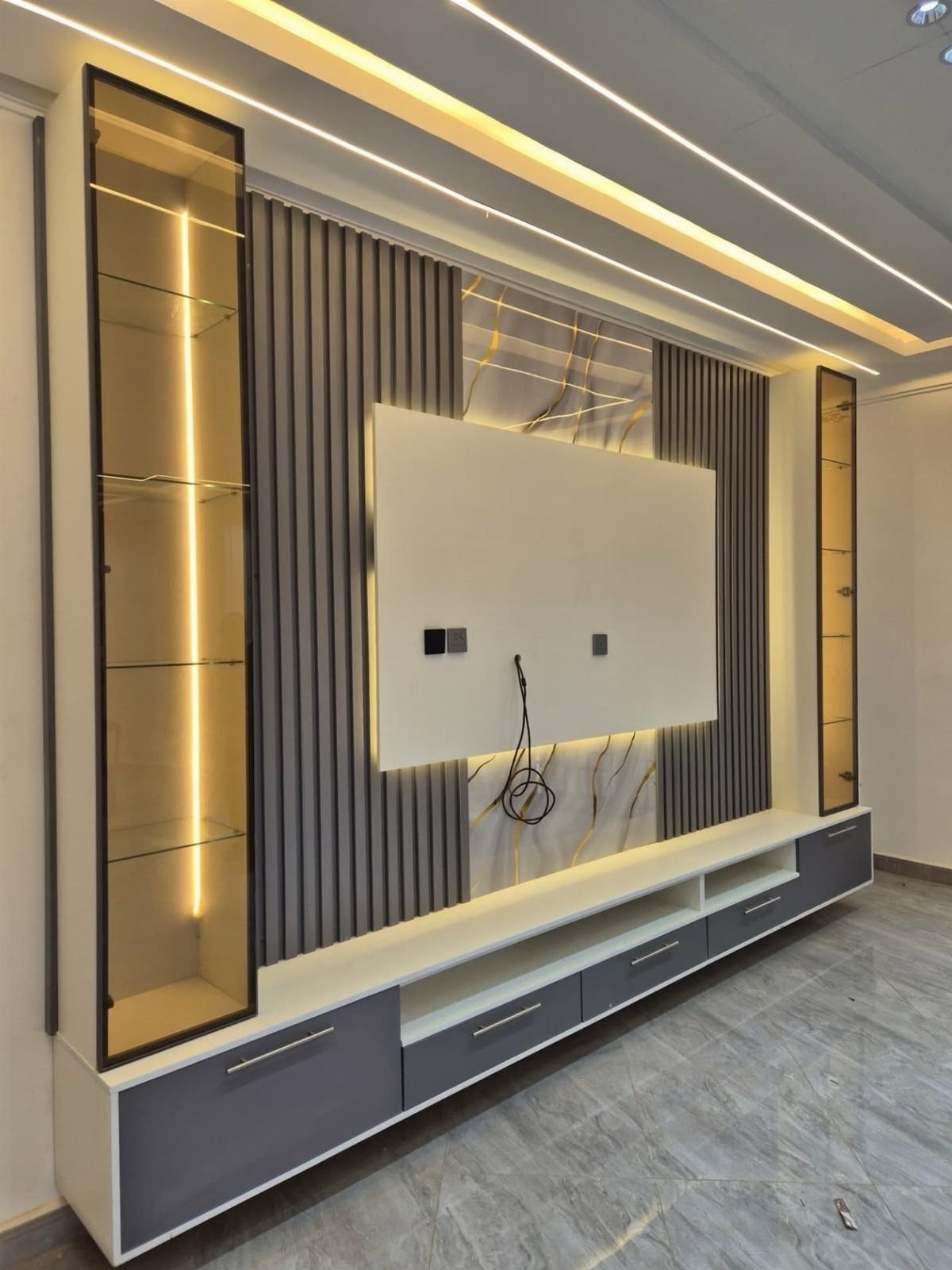
Glass-front cabinets on either side of the television give you a place to show glassware, ceramics, or anything else you want visible without leaving it on open shelves.
This layout keeps the storage contained and lets you light the display from inside, which adds depth to the wall.
I like this approach when the TV is part of a larger built-in and you want the whole wall to feel intentional.
The white console below holds equipment, and the slatted panels add texture without blocking the screen. Keep the display items grouped by height so the cabinets don’t look crowded.

Space-Saving Corner Design – This small corner tv stand is crafted to fit neatly into unused corners, maximizing floor space while functioning as a practical tv corner stand for compact living areas.

TV Stand with Power Outlet: The entertainment center built-in 2 USB ports and 2 standard plug outlets, so it can meet the needs of different equipment, which is convenient to charge your TV, DVD, WiFi router, and etc. This is a real combination of stylish and functional

【Timeless Mid-Century Design】Upgrade your space with this walnut TV stand, a perfect mix of Mid-Century Modern aesthetics and minimalist charm. Four fluted doors, curved sides, and a faux marble top create an elegant tv console profile. Golden metal handles and rounded edges add sophistication and safety, making it an ideal television stand or tv stand entertainment center for living rooms or bedrooms.
9. Modern TV Unit
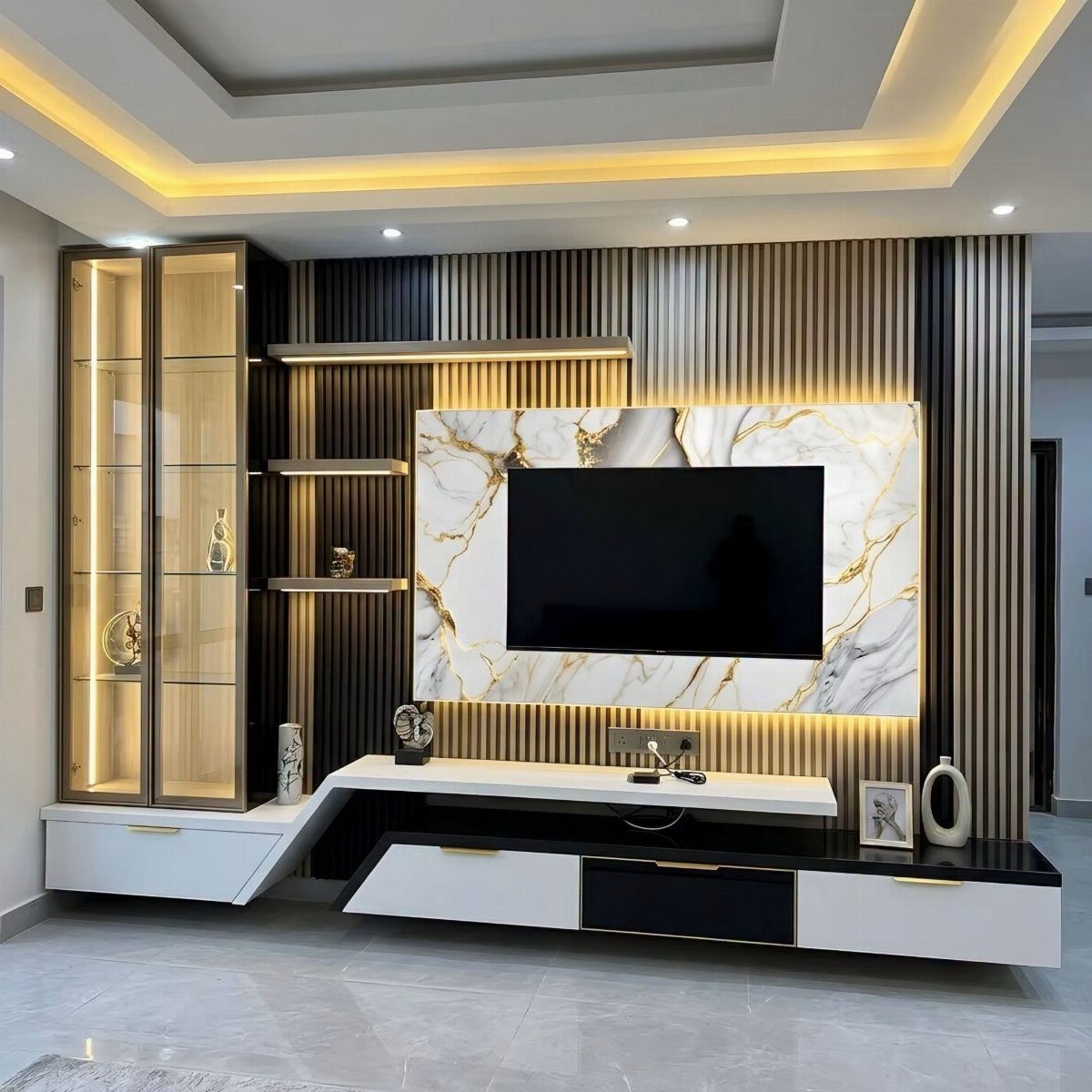
A combination of marble, wood slats, and a floating white console keeps the television wall streamlined without feeling empty. I use this idea when the room needs storage but the client wants the unit to look light.
The glass display cabinet holds decorative pieces, and the console below keeps cables and equipment out of sight. If you’re mixing materials, keep the finishes matte or low-sheen so nothing competes for attention.

Unique Sliding Door: The sliding door design gives the TV stand a distinctive and appealing look. Sliding doors and wood handles combine to incorporate natural tones for modern and mid-century charm

【Versatile Multi-Function Tool】 This monitor shelf works as both a screen top shelf for placing objects and a phone stand – giving you the perfect height and viewing angle for watching videos or playing games at home.

Multi functional tool: the adjustable monitor top shelf can be applied for screen top shelf, and then place some objects on it, or it can be applied as a mobile phone stand, bring you proper height and viewing angle to enjoy comfortably, ideal to watch videos and play games at home
10. TV Panel Design
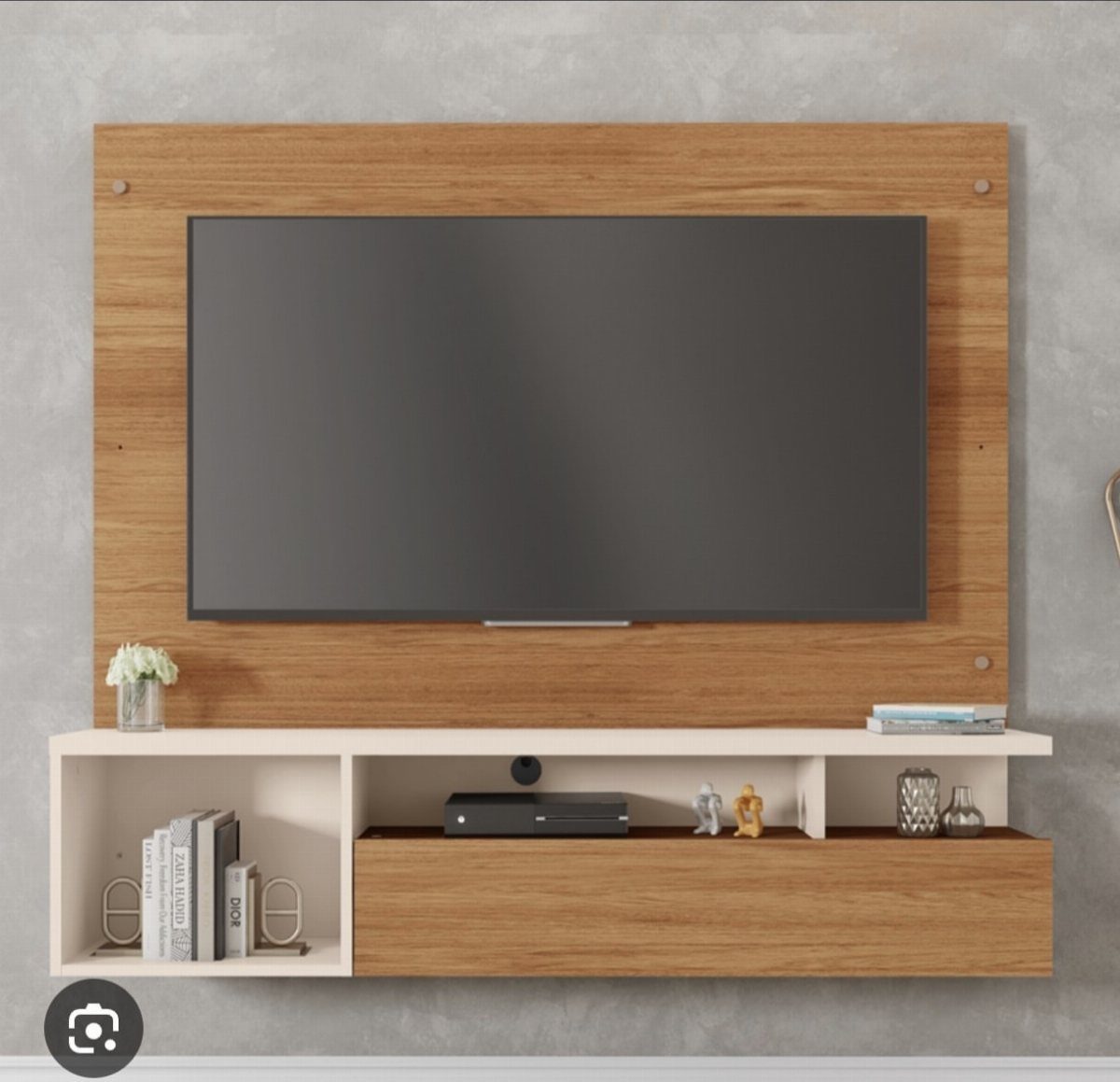
Mounting the television on a wood panel instead of directly on the wall defines the screen and makes the whole wall feel considered.
I like this detail when the wall is large and the television would otherwise float in the middle of it. Choose a panel wider than the TV so the screen has breathing room on both sides.
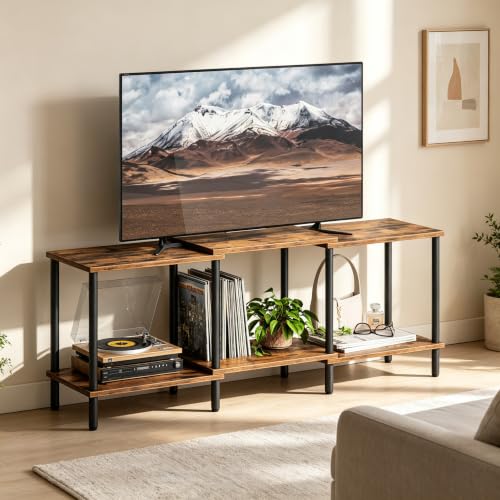
Industrial Style & Versatile Design: This TV stand features a rustic brown wood-grain finish paired with a black metal frame, blending industrial and modern aesthetics. It can serve as a TV console, media console, or display shelf, fitting seamlessly into living rooms, bedrooms, or entryways.

MODERN INDUSTRIAL TV STAND: Classic oak color with clean-lined silhouette and well-designed details make a perfect combination in this contemporary TV stand. It creates an attractive modern atmosphere and raises your home decoration in style.

TV Stand with Power Outlets: The television stands overall size is 63" x 15.7" x 20.5" to support TVs for years to come, such as 50/55/60/65/70 inches TV. 4 standard plug outlets make it easy to hold and charge your TV, game consoles, DVD collections and other TV components
11. TV Console Design
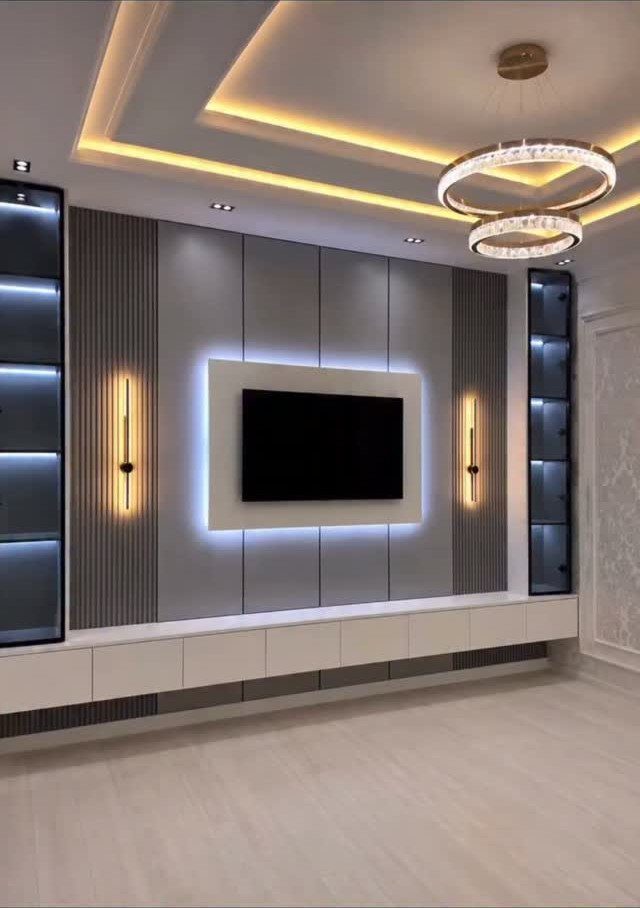
A long white floating console under a wall-mounted television gives you storage and a clean horizontal line that anchors the screen.
This version pairs the console with backlit panels and vertical slats, which add detail without taking floor space. I use this setup when the client wants the TV to feel part of the wall rather than mounted on it.
The console holds equipment and hides cables, and the backlighting softens the screen’s glow at night. If the room is narrow, keep the console shallow so it doesn’t push into the seating area.
12. High-Gloss TV Unit
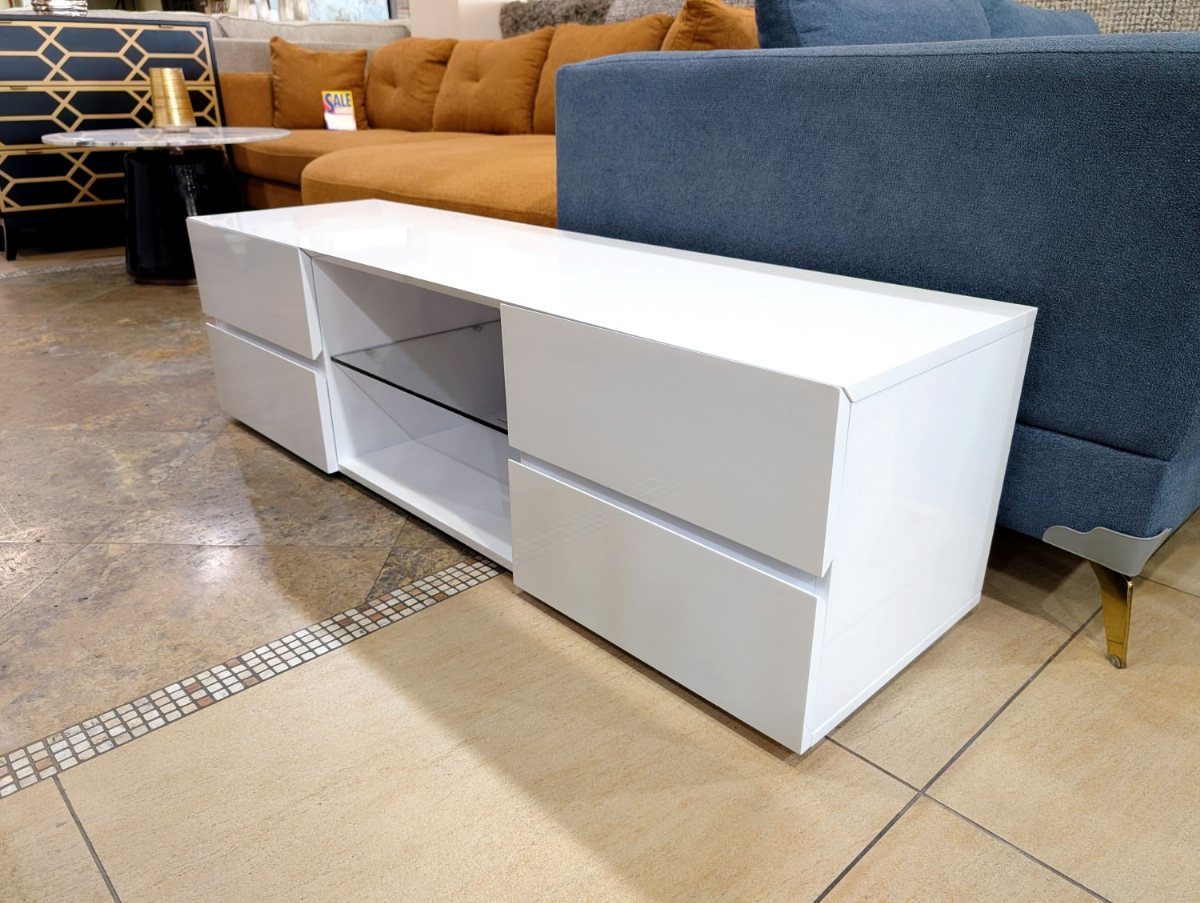
A high-gloss finish reflects light and gives a TV unit a polished look that works well in modern rooms with plenty of natural light.
This version has drawers for storage and a glass shelf above, which keeps the unit functional without adding visual weight. I reach for high-gloss when the room needs something that reads crisp and finished.
The finish shows fingerprints and dust immediately, so plan to wipe it down regularly. Pair it with matte finishes on the walls and floor so the unit stands out without making the whole room shiny.
13. Arched TV Unit
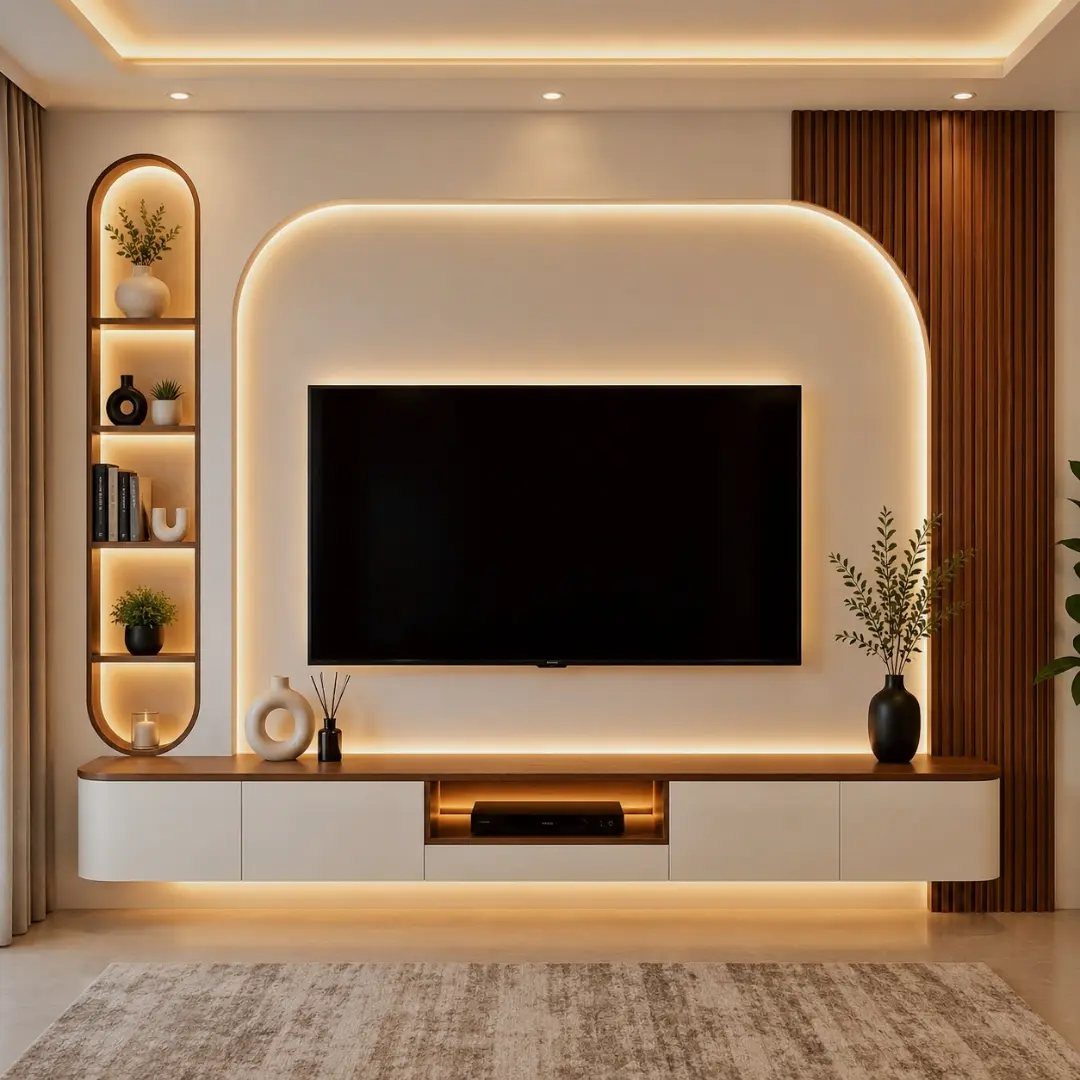
An arched form behind the television softens the geometry of a modern living room and makes the screen feel less like a rectangle mounted on a flat plane.
This version uses a backlit arch that wraps the TV and matching arched shelving on the side, with a floating console below and wood slats framing the composition.
The curved profile works well when the room has high ceilings and you want the wall to feel more architectural.
Building an arch means framing it out, finishing the curve cleanly, and running LED strips behind the edge for the glow. If the room is small, an arch can make the TV wall feel heavier than a simple panel.
14. TV Unit with Integrated Lighting
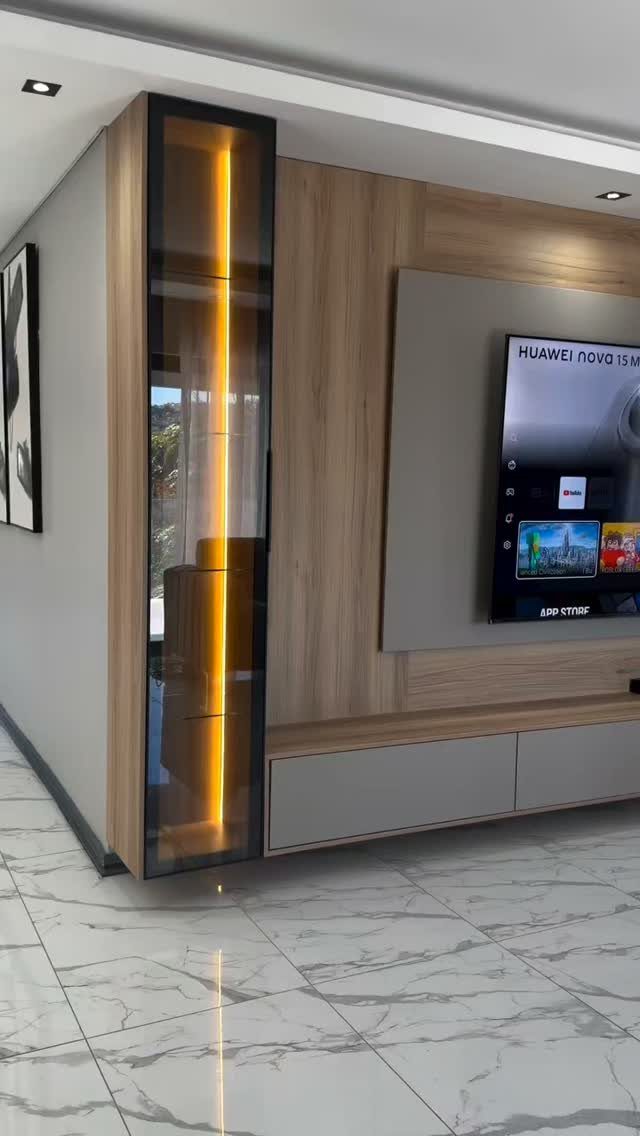
Built-in lighting changes how a TV unit reads at night.
This version runs a vertical strip down one side of the screen and lights the glass display cabinet from inside, so the unit has its own glow instead of relying on the television.
I use this approach when the room needs ambient light and you don’t want table lamps crowding the console. The strip frames the screen without washing out the picture, and the lit cabinet adds depth.
LED strips are the easiest to install and don’t generate heat, so they can sit behind wood or inside tight compartments. Keep the color temperature warm if the room uses incandescent or halogen elsewhere.
15. Panel Behind Television
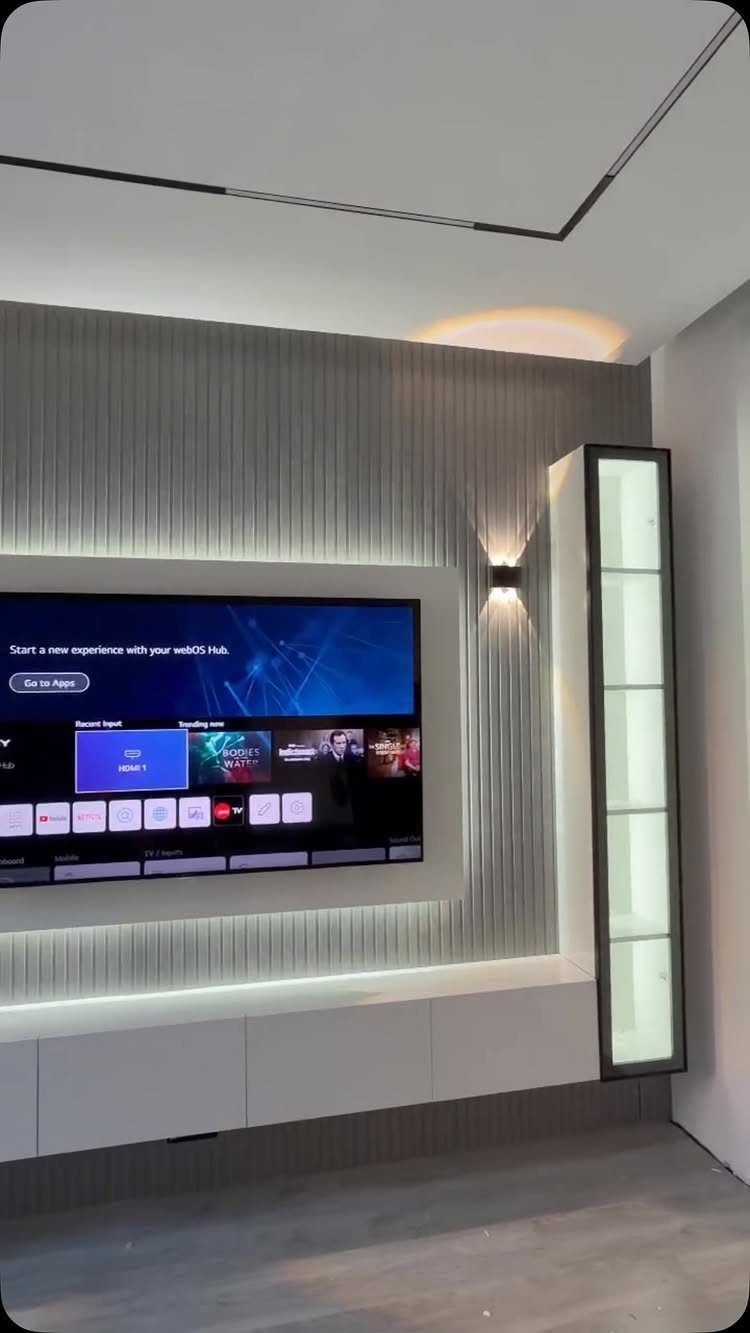
The vertical ribs add depth without taking floor space, and the LED strip behind the panel creates a soft outline at night.
If you’re adding a panel, make sure it’s wide enough to extend past the TV on both sides. The ribbed surface works best in rooms with smooth walls, where the contrast is noticeable.
16. Marble TV Feature Wall
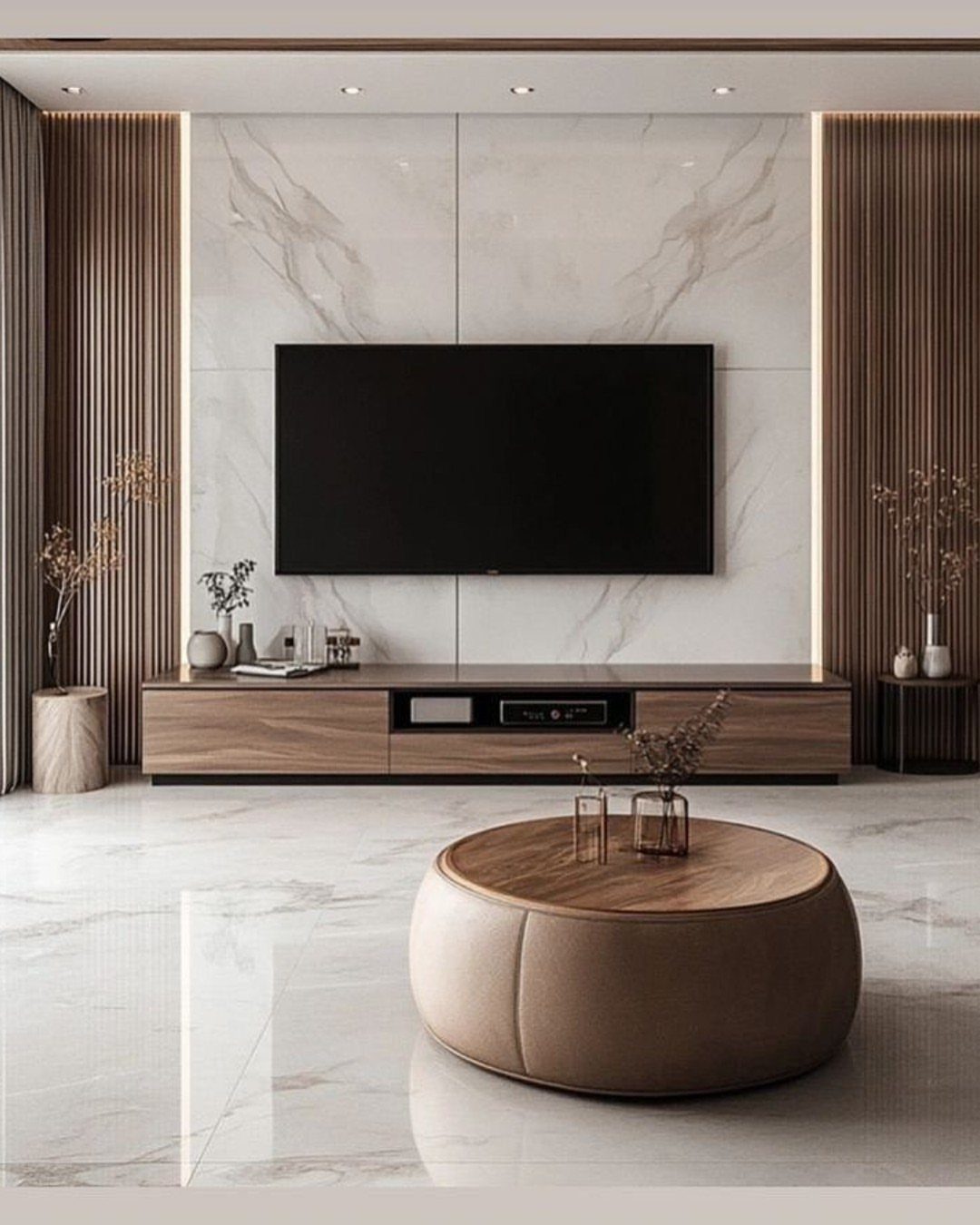
Marble behind the television brings material weight to the wall and makes the screen feel anchored. A full-height marble slab behind the screen balances out with a low wood console, so you get contrast in both material and temperature.
Marble is heavy and needs proper mounting, so plan for a ledger board or a French cleat. If you’re using marble tile instead of a slab, keep the grout lines narrow and match the tone to the stone.
17. Built-In Entertainment Wardrobe
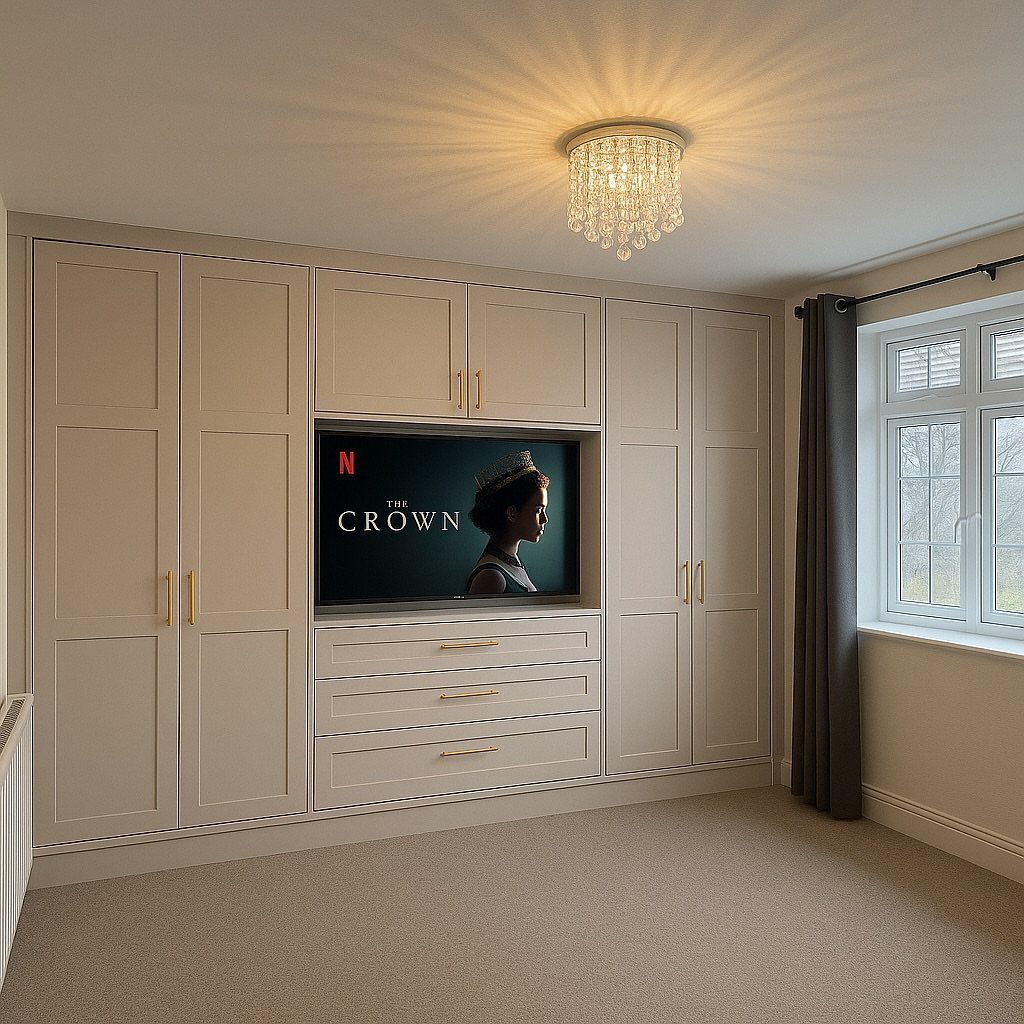
Full-wall cabinetry turns the television into part of a larger storage system instead of leaving it on its own.
This version recesses the screen in the center and surrounds it with wardrobes, upper cabinets, and drawers, so the whole wall becomes functional.
I like this idea when the room needs serious storage and you want the TV to disappear into the millwork. The built-in approach works especially well in bedrooms where you’re combining clothing storage with media.
If you’re building it out, leave enough depth behind the screen for cables and ventilation, and make sure the recess is wide enough that the television doesn’t feel jammed in.
18. Black Minimalist TV Stand
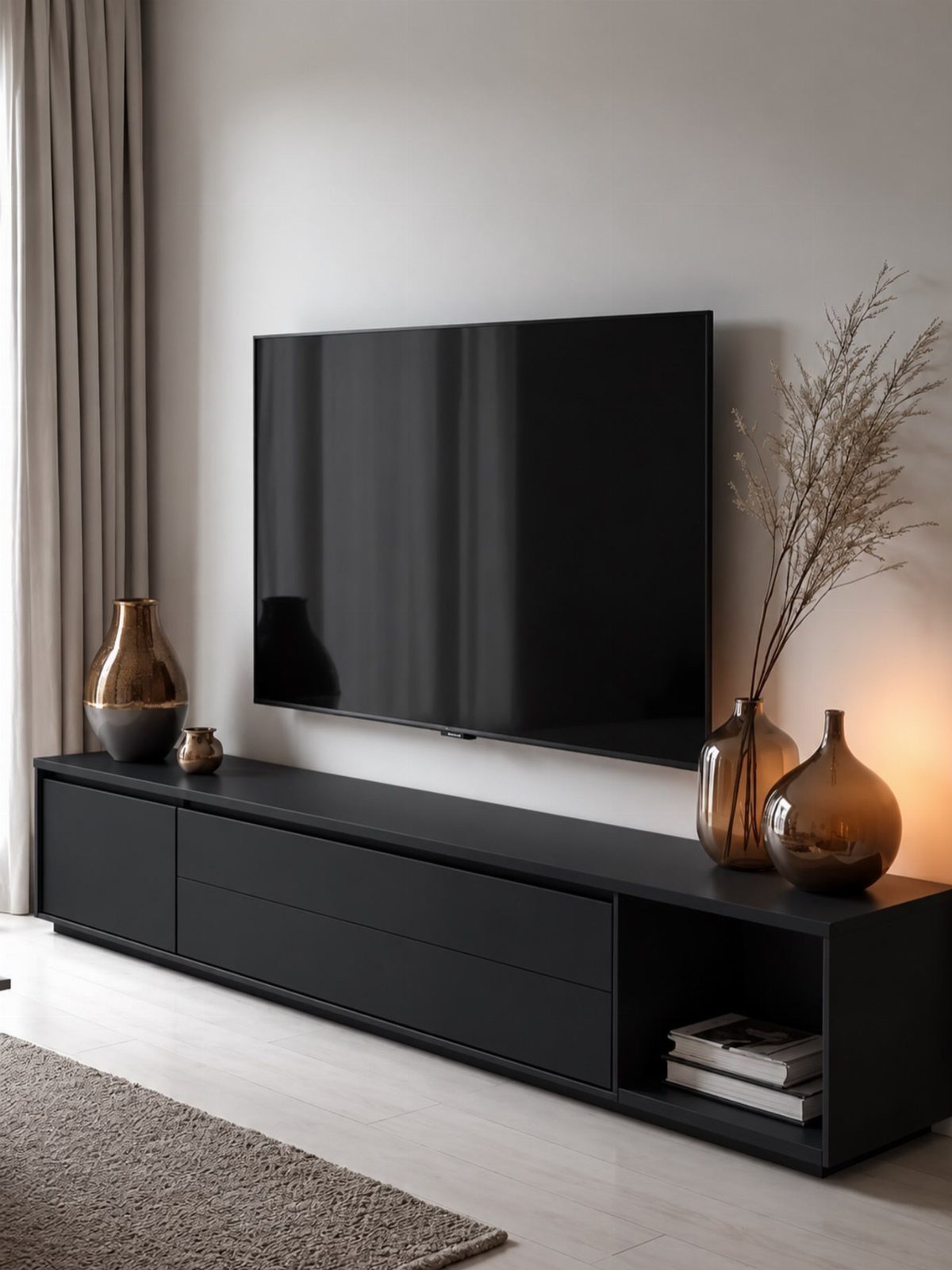
A freestanding black console gives you flexibility and a modern look without committing to a full built-in.
This version has open shelving for display and closed drawers for equipment, so you can see some of the contents and hide the rest.
Black reads sharp against a white wall, and the low profile keeps the unit from blocking sightlines.
Freestanding consoles are easy to move or replace, which matters in rental spaces or when the layout might change. Choose one with cable management cutouts in the back if you’re running wires to a receiver or soundbar.
19. Bedroom TV Media Console
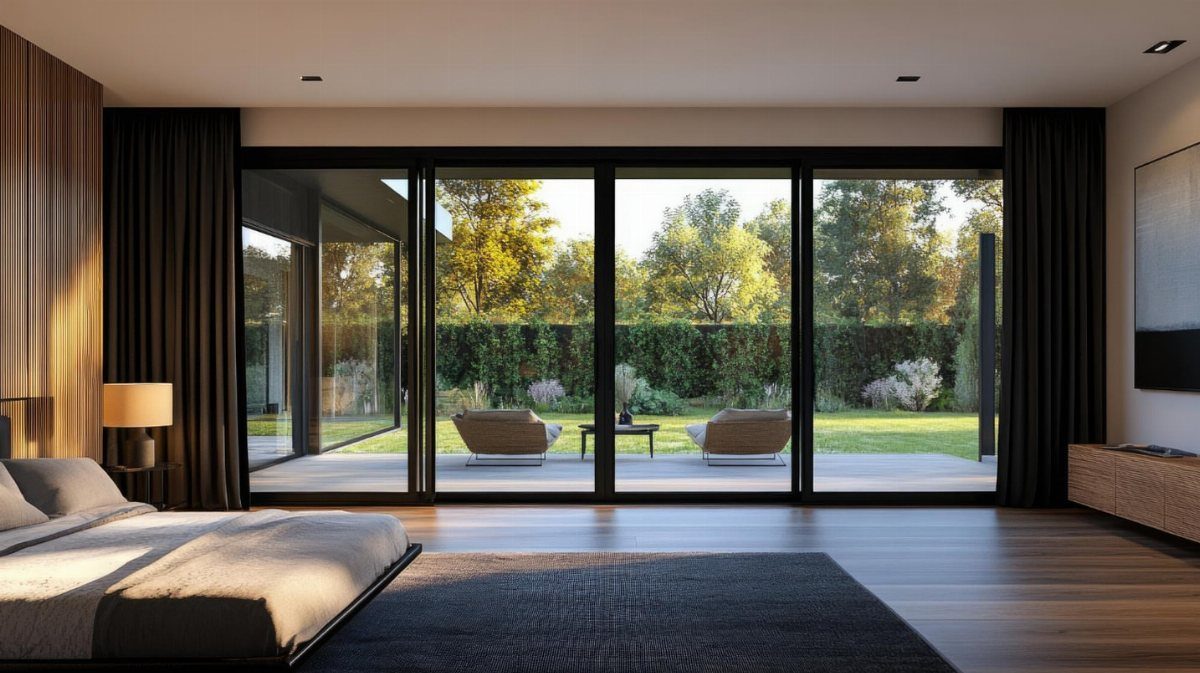
A freestanding wooden console placed opposite the bed keeps the bedroom simple and lets you move or swap the unit without tearing into the wall.
This version sits low enough that the television doesn’t block the view through the glass doors, which matters when the room opens to a garden or patio.
Choose a console with drawers or closed compartments if you want to hide remotes and charging cables.
Wood finishes warm up a room with hard flooring and glass, and the low profile means the TV stays at a comfortable viewing height from the bed.
Choosing Unit Size and Placement
Measure the television’s width before you shop for a unit. The console or shelf should extend at least a few inches past the screen on each side, so the TV doesn’t overhang the edge.
If you’re wall-mounting, measure the bracket footprint and wall stud spacing to confirm the setup will fit where you want it.
Room dimensions matter as much as the screen size.
A 55-inch TV on a wide console can overwhelm a narrow room, and a small stand leaves the screen looking unsupported. Measure the wall space and any furniture nearby so the unit doesn’t block doors or crowd seating.
Viewing angle depends on where you sit.
Mount or place the screen so its center sits at seated eye level, which usually lands around 42 inches from the floor. Furniture that holds the TV needs to support its weight without flexing.
Storage and Cable Planning
Count the equipment before you pick a unit.
A receiver, streaming box, game console, and soundbar need shelf or cabinet space, and each piece needs ventilation so heat can escape. Closed cabinets work well for hiding gear, but check for cutouts or open backs that let air move.
Cable management keeps the setup looking finished. Modern units include channels or grommets for routing wires out of sight.
If you’re building a unit or adding a panel, plan where cables will run before you mount anything. A cable raceway or conduit keeps cords bundled and off the wall.
Storage beyond equipment matters in smaller rooms. Display areas need to stay uncluttered so they don’t compete with the screen.
Importantly, always consider your cables, says Gary Walmsley, managing director at Designer Walls: ‘Often modern TVs only require power as they work on Wi-Fi – a recessed box behind the TV is very helpful when tidying up cables.
Materials, Style, and Budget
Wood is durable and reads classic, which is why I reach for it in rooms where the unit will stay in place for years.
Engineered wood and MDF cost less and suit modern finishes, though they don’t hold up as well to moisture or repeated moves.
Metal and glass give you a contemporary look and work best in rooms with strong natural light, where the materials catch and reflect it.
Maintenance needs shift with finish. Matte finishes hide marks better but can look flat if the room lacks contrast.
A media wall installation runs £2,000 to £4,000, which includes framing, electrical work, and finishing. That figure makes sense when you’re building storage and display into the wall, not just mounting a screen.
Frequently Asked Questions
What is the best size TV stand for a 55 inch TV?
Pick a stand that extends a few inches beyond the TV on both sides so the screen sits stable and centered.
Start by checking the TV’s width, then find a stand rated for the weight and sized to fit your wall.
How do I choose the right TV stand?
Check the TV’s width and the available wall length, then look for a stand that’s wider than the screen.
Make sure you have enough shelves with ventilation for your gear, and pick a height that places the middle of the screen around 42 inches up, where your eyes land when you’re seated.
What are some modern TV unit designs?
Floating consoles, wall-mounted shelves, and units with integrated LED lighting keep the look streamlined and the floor clear. Wood slats, marble, and glass add depth, while high-gloss or matte surfaces handle bright daylight without glare.
How high should a TV unit be?
Position the screen so its middle aligns with your eyes when seated, typically 42 inches above the floor. The stand has to carry the TV’s weight without sagging, and the angle needs to feel natural from your usual seat.
What is the best material for a TV unit?
Solid wood lasts and looks right in spaces where the piece will stay put for a long time.
MDF and engineered wood save money and take modern paint or laminate well, but they handle moisture and moving poorly. Glass and metal frames suit minimal interiors and look sharpest in spaces flooded with daylight.
Where’s best to place a TV?
Check the dimensions before you commit, and make sure the TV won’t interfere with door swing or crowd the seating.
Center the screen at eye level when seated, typically 42 inches up, and use a base strong enough to hold the weight steady.
What are the TV stand design trends for 2026?
Floating consoles, backlit panels, and integrated LED strips keep the unit looking light and define the screen without adding bulk.
Natural wood, marble, and metal-and-glass combinations bring material contrast, and arched forms or ribbed panels add architectural detail in rooms with high ceilings.