
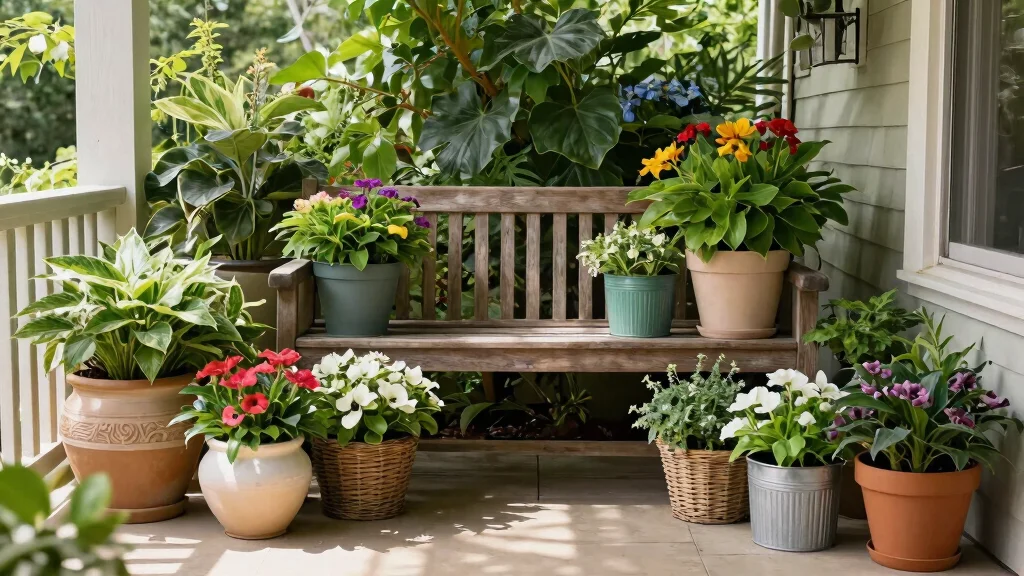
Creating a beautiful garden on a north-facing porch can often feel like a daunting task. With limited sunlight, you may be wondering how to keep your space vibrant and full of life. Fear not! I’ve crafted this guide to show you how to turn those shady areas into charming and blooming havens.
If you’re someone who loves container gardening, especially with shade-loving plants, then you’re in for a treat. This post is tailor-made for you, whether you’re an experienced gardener or just starting out. You’ll discover creative flower pot designs that not only thrive in low light but also add personality to your outdoor space.
Get ready to explore 15 exciting shade flower pot ideas that will inspire you. From whimsical wicker wonders to bold colors in plastic pots, there’s something here for every style and preference. You’ll walk away with practical tips for porch gardening that will help you choose the best containers and plants to create a lush, inviting atmosphere, even in the shadiest spots.
Key Takeaways
– Discover 15 unique shade flower pot ideas perfect for transforming your north-facing porch into a vibrant garden space.
– Learn about flower pot designs that work well in low light, ensuring your plants stay healthy and flourishing.
– Explore tips and tricks for selecting shade-loving plants that are well-suited for container gardening in darker areas.
– Get practical porch gardening tips to help you arrange pots and create a cohesive, stylish look for your outdoor space.
– Find out how to mix and match container gardening ideas for seasonal changes, adding depth and interest to your porch throughout the year.
1. Whimsical Wicker Wonders
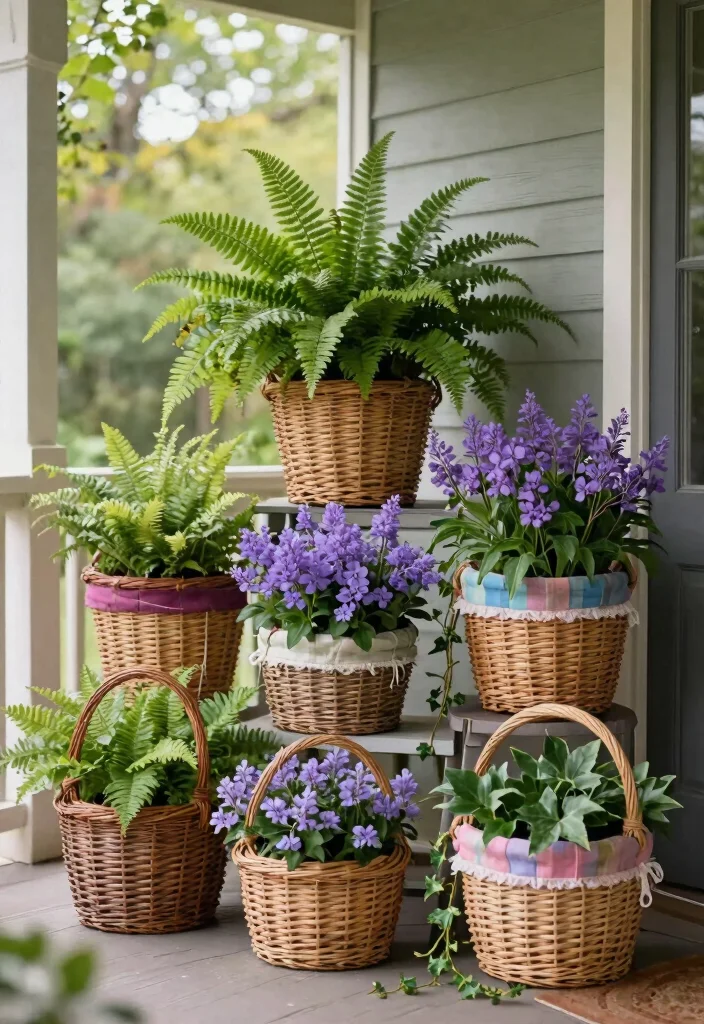
Wicker baskets bring a delightful, rustic charm to your north-facing porch. These adaptable containers come in various sizes, allowing you to showcase a range of plants beautifully. Imagine vibrant hostas, lush ferns, or delicate astilbes thriving in these cozy nests, accentuated by trailing plants like ivy or creeping jenny that add movement and texture.
Start by mixing different basket sizes to create a playful arrangement. To enhance their appeal, consider lining your wicker pots with colorful fabric or soft moss, which also helps with drainage. Remember, wicker is breathable, so it reduces the risk of overwatering. Just make sure to use a tray underneath to catch excess water!
Key tips for using wicker baskets:
– Group pots in odd numbers for a more natural feel.
– Emphasize wicker’s natural tones to highlight your plants’ colors, creating a harmonious blend with nature.

Timeless Design: Perfect for adorning garden pathways, porch steps, and indoor patios, showcase plants beautifully in this fluted garden urn that features graceful lines and an ornamental rim.

Weather-Resistant Urn Planters for Outdoor Use: Designed for durability and elegance, these large outdoor planters are crafted from high-quality polypropylene (PP) to withstand sun, rain, and snow, making them ideal for front porches, patios, and gardens
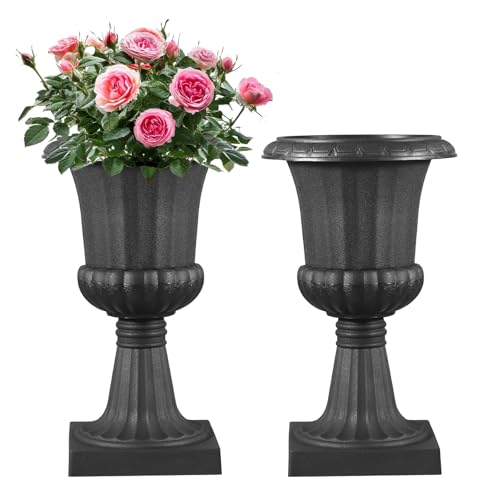
Large Opening Planter Urn: With a height of 16.54 in / 42 cm and a 9.84 in / 25 cm wide opening, this urn planter is suitable for clematis, hydrangeas, roses, and more, giving your plants the ideal space to thrive
2. Vintage Charm with Terracotta
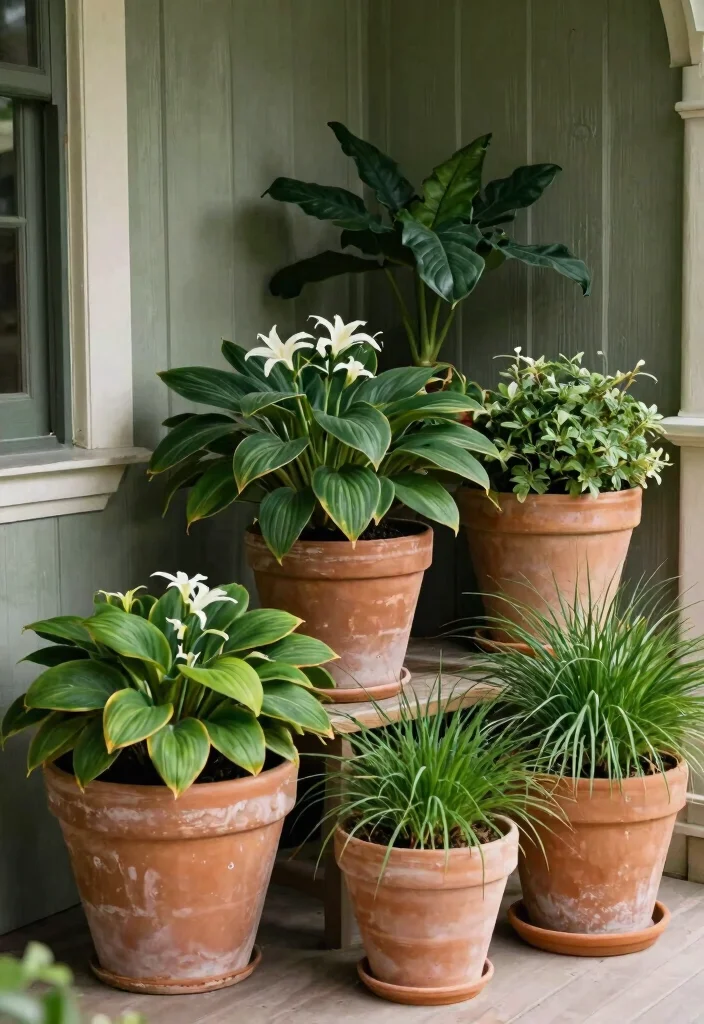
Terracotta pots add a classic, timeless touch to your shade flower display. Their warm, earthy tones beautifully complement the lush greens of your plants. Opt for a variety of sizes and shapes to create eye-catching arrangements. Larger pots can showcase tall plants like Japanese forest grass, while smaller ones are perfect for compact blooms like toad lilies or lungwort.
The terracotta’s warm hue contrasts vibrantly with your flowers, making them pop. Plus, these pots help maintain ideal moisture levels, ensuring your plants thrive. Dive into creativity by painting or staining your terracotta pots with weather-resistant paints for a personal touch!
Get started with these ideas:
– Pair large pots with tall plants for dramatic height.
– Elevate smaller pots on stands for visual interest and variety.


🌿 Lush thick variegated foliage in every shade of green, adds rich textural greenery to even the darkest garden corners.
3. Modern Minimalist Metal
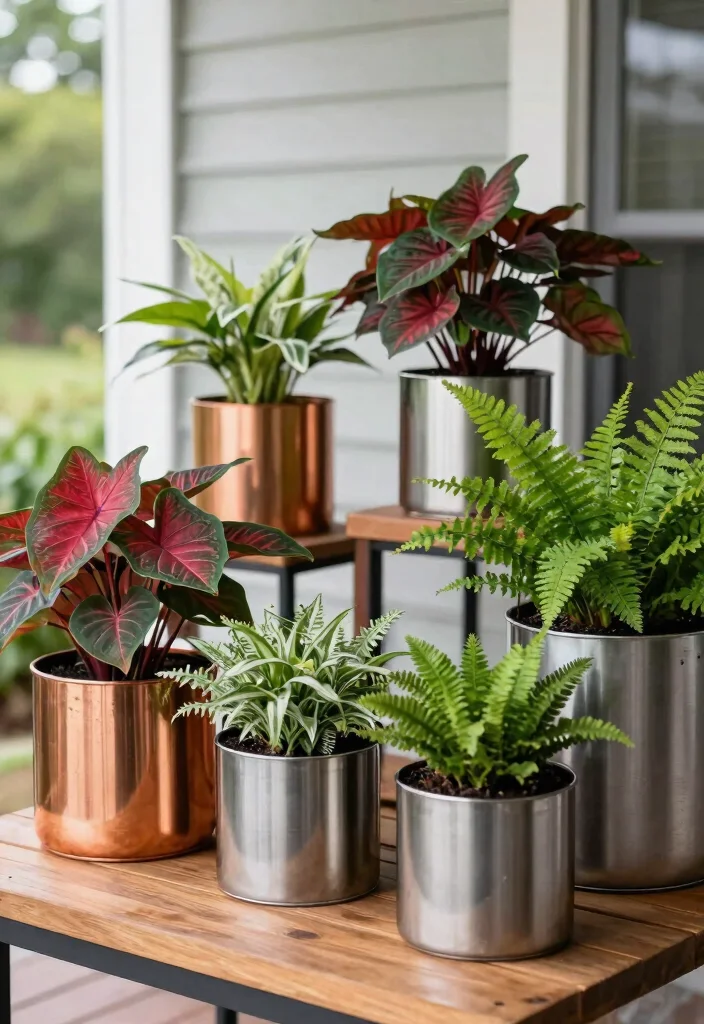
If you’re after a sleek, contemporary look, metal pots are your go-to choice. Their minimalist design brings a modern flair to any porch, perfect for those who appreciate simplicity. Choose metallic finishes like copper, steel, or aluminum to create a stunning contrast with your greenery. Fill them with shade-loving plants like ferns or caladiums for a vibrant arrangement.
Ensure your metal pots have adequate drainage holes to keep your plants healthy. If they don’t, adding gravel at the bottom can improve airflow and prevent root rot, keeping everything thriving.
Tips for using metal pots:
– Mix different metal finishes for an eclectic industrial style.
– Use reflective surfaces to brighten shaded areas, giving your plants a little extra light.

[Declutter Your Home in Style]: Measuring 11" x 11" x 11", this woven basket hides the mess of loose toys, blankets, and unsightly plastic pots. It fits 8"–10" plant pots as a round planter cover, or serves as a storage bin for living room, bedroom, and entryway – restoring a tidy, orderly home without sacrificing style.

Waterproof Interior Protection: Built-in thick plastic liner prevents water leakage and soil spills to keep your surfaces pristine. No extra saucer is needed for most 6-8 inch nursery pots, protecting hardwood floors, carpets, and wooden shelves from moisture damage during indoor watering

Hand-woven Plant Basket: Each flower pot cover is hand-woven by skilled craftsmen, with a tight and solid structure, a straight and stylish overall shape, and good load-bearing and durability. Hand-made flower baskets have more advantages in texture details and quality control, are not easy to crack or deform, and can be used for a long time
4. Bold Colors with Plastic Pots
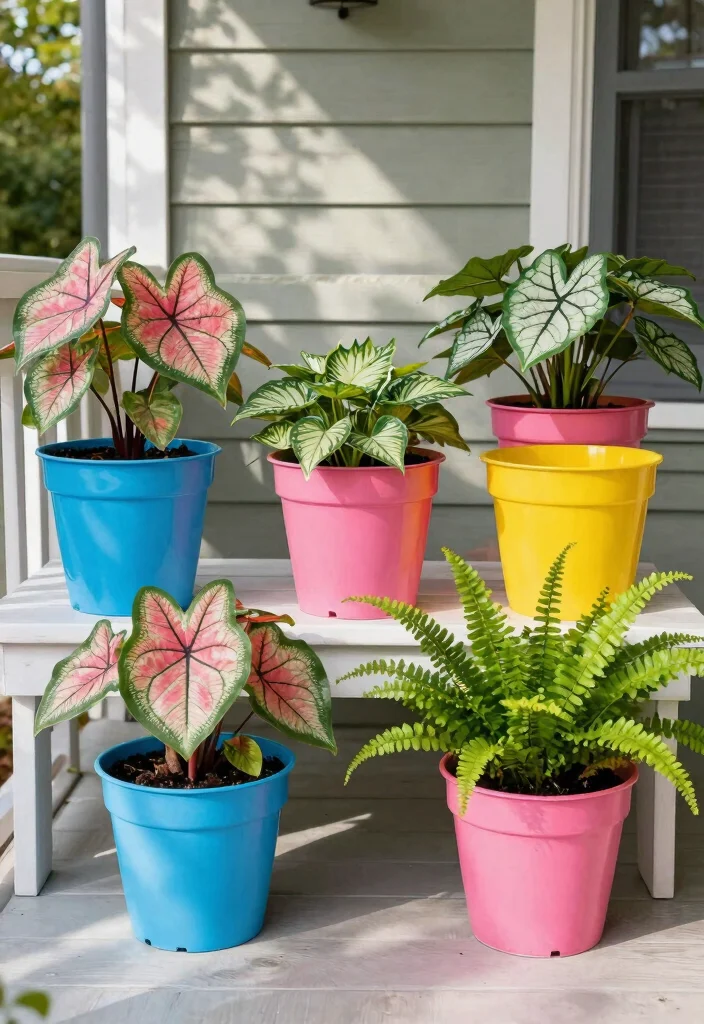
Don’t underestimate plastic pots; they offer incredible versatility with fun shapes and vibrant colors. Bright, bold pots can instantly energize your north-facing porch, making it feel lively and inviting. Choose colors that complement your shade-loving plants, such as deep blues or vibrant pinks, to create a stunning visual display.
These lightweight pots are easy to rearrange for seasonal changes, allowing for endless creativity. Fill them with cheerful blooms like caladiums or Japanese painted ferns to add layers of color and texture. For added convenience, consider self-watering plastic pots to simplify your maintenance routine!
Here are some ideas:
– Use pots of varying heights for a dynamic, layered effect.
– Arrange pots by color for a striking visual impact that draws the eye.
Fun fact: lightweight plastic pots are up to 60% lighter than ceramic ones, making bold colors easy to move on a north-facing porch. Swap shapes and hues weekly to boost shade flower pots’ impact, then fill with caladiums for instant curb appeal.

Premium Quality: These terra cotta pots are constructed of high-quality clay, which allows more water and air to circulate freely within the pots while yet maintaining their structural integrity. It's an excellent choice for cactus, succulents, and other plants that thrive in dry soil, and it's also appropriate for areas with lower temperatures. The high air permeability of the pot walls helps the soil to dry out more quickly

Premium Quality: These terra cotta pots are constructed of high-quality clay, which allows more water and air to circulate freely within the pots while yet maintaining their structural integrity. It’s an excellent choice for cactus, succulents, and other plants that thrive in dry soil, and it’s also appropriate for areas with lower temperatures. The high air permeability of the pot walls helps the soil to dry out more quickly

Durable Terracotta Construction: Crafted from high temperature ceramic for stability, strength, and long-lasting use.
5. Stylish Succulent Displays
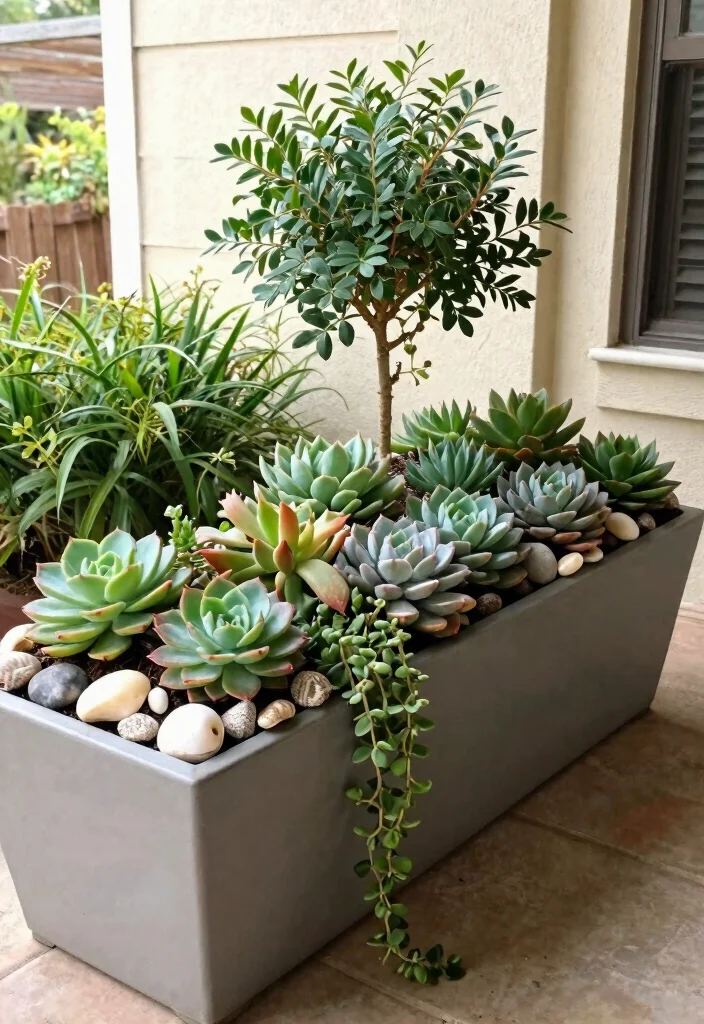
While succulents typically love sunlight, some varieties thrive in indirect light, making them a fantastic addition to your shade flower pots. Get creative by mixing different succulent types in a long rectangular planter, featuring hens and chicks, jade plants, or zebra plants that can adapt to lower light levels.
Arrange taller succulents in the center, allowing trailing varieties to spill over the edges for a playful look. Add decorative stones or gravel on top for a polished finish that adds personality to your display.
To enhance your arrangement:
– Stick to a cohesive color scheme, like greens and whites, for visual unity.
– Incorporate decorative elements like seashells or small figurines to elevate your succulent display.

Indoor plants are beneficial to mental health and our well-being, not to mention a great way to enhance the overall look and feel of your home. every time you look at these plants they add a smile to your face.
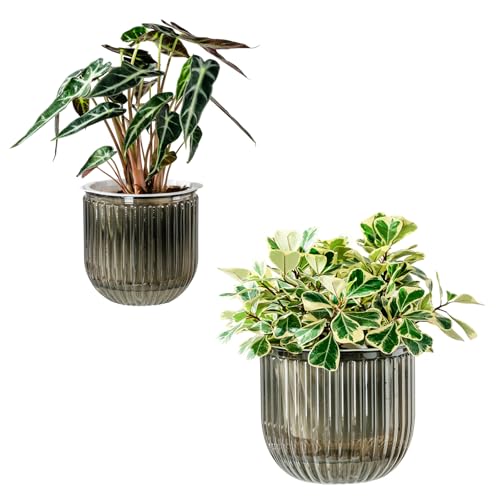
Self Watering Planters for Indoor Plants: Double-layer design, cotton rope across inner pot absorbs water from bottom of the external pot to keep the soil moist. Stored water can feed plants for two weeks or more. Plant pots self watering makes your travel or business trip an big ease! Plants Not Included!

SELF-WATERING TECHNOLOGY: These houseplant pots feature a simple self-watering disk that makes it easy for you to leave plants unattended with no mess, leaks or spills.
6. Cascading Color with Hanging Baskets
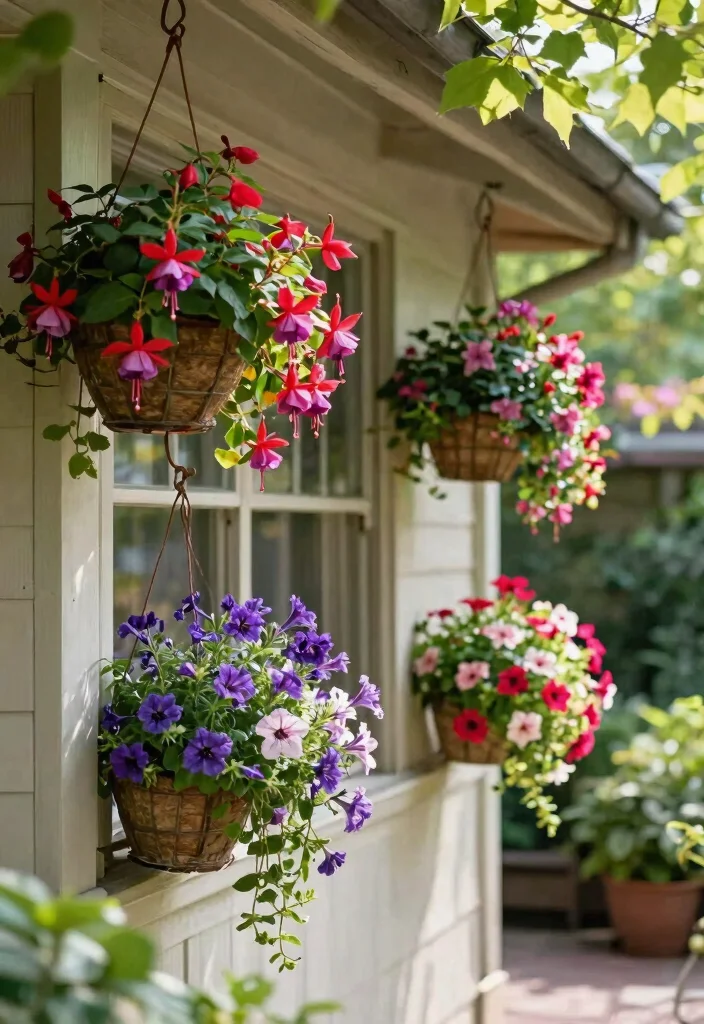
Hanging baskets are ideal for north-facing porches, adding color and texture without taking up ground space. Choose a mix of shade-loving flowers that cascade down, such as fuchsia, lobelia, or trailing petunias, for a vibrant look.
To ensure your hanging baskets thrive, select options with proper drainage holes. Plant the flowers densely for a lush appearance that creates a stunning curtain of color, softening your porch’s edges.
Tips for designing hanging baskets:
– Pair cascading flowers with upright plants for added interest.
– Use a variety of hanging basket styles—like macramé or metal—for a unique visual display.

VINTAGE TUSCAN STYLE DECOR: Inspired by Tuscan countryside aesthetics, this indoor planter adds a touch of rustic elegance to any room. Its vintage, shabby chic finish perfectly complements a variety of home decor styles, from farmhouse to bohemian.

Caladiums are celebrated for their brilliantly colored leaves, making them an ideal choice to brighten shaded gardens, patio corners, or porch pots. Their foliage characteristics create a striking visual focal point in areas lacking full sun, suitable for landscape beautification or container viewing.

VINTAGE TUSCAN STYLE DECOR: Inspired by Tuscan countryside aesthetics, this indoor planter adds a touch of rustic elegance to any room. Its vintage, shabby chic finish perfectly complements a variety of home decor styles, from farmhouse to bohemian.
Top Varieties for Different Conditions
1. Impatiens
– Best conditions: Ideal for shady areas with moist soil. Works great in cooler climates.
– Key features: These colorful blooms come in various shades, including pink, red, and white. They fill spaces quickly and create a cheerful atmosphere.
– Considerations: Keep the soil consistently moist, as they dislike drying out.
2. Ferns (e.g., Boston Fern)
– Best conditions: Thrives in humid environments and low light, making them perfect for north-facing porches.
– Key features: Ferns bring a lush, green look to your space. Their feathery fronds can add texture and movement.
– Considerations: They require regular misting and do not tolerate drought well.
3. Caladiums
– Best conditions: Prefers warm, humid conditions with partial shade. Works well in coastal and temperate zones.
– Key features: Known for their stunning leaf patterns and colors, caladiums can brighten up any shady corner.
– Considerations: They need well-drained soil and protection from frost.
4. Begonias
– Best conditions: Best suited for shaded areas with well-drained soil and moderate temperatures.
– Key features: Available in a variety of colors and leaf shapes, begonias offer beauty and diversity. They can bloom continuously throughout the summer.
– Considerations: Watch out for overwatering as it can lead to root rot.
5. Hostas
– Best conditions: Thrives in shady spots with rich, moist soil. These plants do well in temperate climates.
– Key features: Hostas are known for their large, lush leaves and come in many shades of green and blue. Some even bloom in summer with lovely flowers.
– Considerations: Slugs can be a problem, so consider using slug bait or diatomaceous earth.
6. Lobelia
– Best conditions: Enjoys cooler temperatures and partial shade, making it a great choice for a north-facing porch.
– Key features: This plant produces lots of tiny, bright flowers that create a cascading effect in containers.
– Considerations: It prefers moist soil and can wilt if it dries out.
7. Sweet Potato Vine
– Best conditions: Thrives in partial shade and works well in warmer climates.
– Key features: Known for its intricate foliage in vibrant hues from green to deep purple. It adds a dramatic flair to your flower pots.
– Considerations: While they are drought-tolerant, they perform best with regular watering.
Climate/Condition Guide:
When choosing shade flower pots, consider your local climate. If you live in a temperate zone, many shade-loving plants will thrive. In coastal areas, humidity can help increase diversity, while hot and dry climates may require plants that tolerate less moisture. Always check the specific needs of each plant variety to ensure a beautiful garden.
Growing Tips:
– Ensure your pots have good drainage to prevent root rot.
– Rotate plants seasonally to maintain soil nutrients.
– Use high-quality potting mix to give your plants a strong start.
Avoid:
– Don’t overwater your plants, as too much moisture can damage roots.
– Avoid planting sun-loving plants in shaded areas; they simply won’t thrive.


7. Charming Wooden Planters
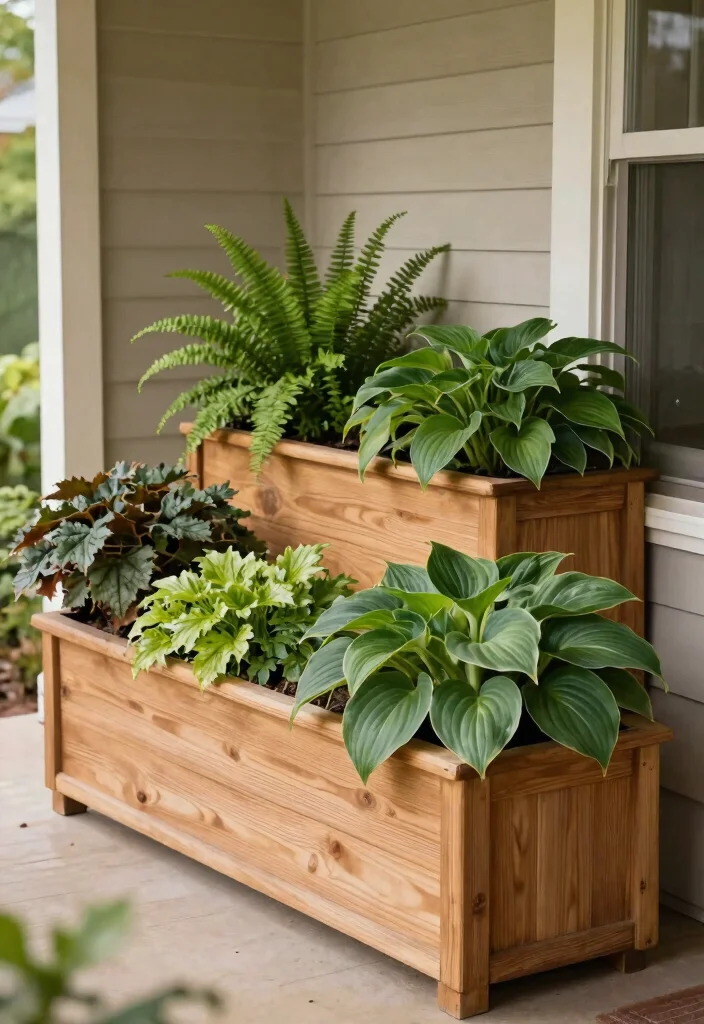
Wooden planters infuse your porch with a cozy, natural vibe. Available in various styles from rustic to modern, they seamlessly fit into any outdoor space. Go for untreated cedar or redwood for their natural decay resistance and durability.
Fill these planters with an array of shade-loving plants, like hostas, heucheras, or ferns, mixing varieties for a lush, layered effect. Strategically placed wooden planters can guide the eye through your porch beautifully.
To enhance their longevity:
– Line the inside with landscaping fabric to prevent moisture damage.
– Use stencils or painting techniques to personalize your wooden planters.

3-Piece Woven Flower Pot Set: this set includes 3 different sizes of cotton woven flower pots, tightly woven from durable cotton rope, combining sturdiness and lightweight...
8. Elevated Elegance with Tiered Planters
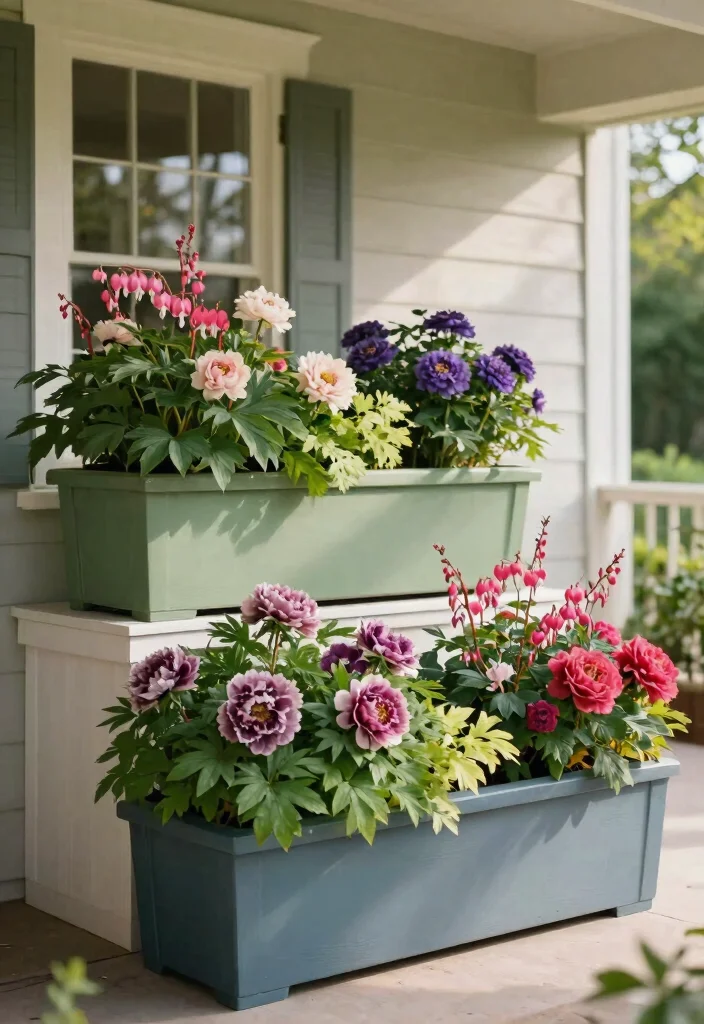
Tiered planters are a brilliant way to maximize space while adding visual depth to your north-facing porch. They allow for a stunning display of plants at various heights, creating a dramatic statement.
Fill each tier with shade-loving perennials like astilbes, bleeding hearts, or ferns, focusing on a balance of colors and textures. The cascading design guides the eye effortlessly from one tier to the next, enhancing the overall appeal.
To get started:
– Ensure each tier has proper drainage.
– Select plants with similar watering needs for easier maintenance.

【Premium Quality】The clay pot made of top-quality clay and baked at 1796°F high temperature, each Terracotta Pots with pink paint features great durability. All packages have passed the 3-foot drop test to ensure the pots stay intact during delivery.

【What You Get】 6 pack of 6 inch high-fired terracotta pots, 6 plastic saucers, and 6 pot meshes. Terra cotta pot dimensions: 6” (top diameter) x 5.3” (height) x 3.8” (base diameter). Saucer dimensions: 5.2” (top diameter) x 1” (height) x 4.6” (base diameter). Flower pot hole conical mesh pad: 2.9”(diameter )* 2.1”(height) – all designed for seamless compatibility.

REAL TERRACOTTA CLAY – BREATHABLE & HEALTHY FOR ROOTS: Made from natural terracotta clay, these plant pots allow excellent air circulation and moisture regulation, helping prevent overwatering and root rot. Ideal for succulents, cactus, herbs, and small plants.
9. Classic Box Planters
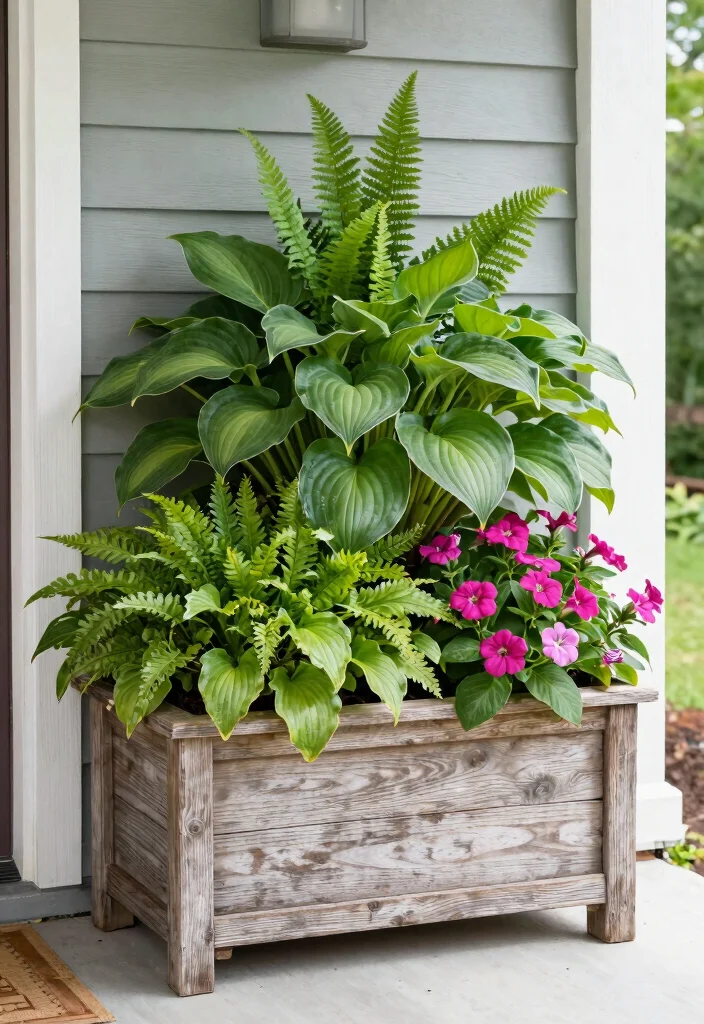
Box planters are a timeless option for any porch, providing ample space for shade-loving plants to thrive. Available in materials like wood or ceramic, they can be customized to match your décor.
Create a sturdy box planter filled with a mix of plants, such as hostas, shade-tolerant impatiens, and ferns, achieving a layered, structured look. This style enhances your porch’s aesthetic while ensuring proper drainage by adding gravel to the bottom before planting.
Tips for positioning box planters:
– Place them against walls or railings for a cozy corner effect.
– Lining the inner edges with plastic sheeting can help prolong the life of wooden planters.

[Clear Inner Pot – Easily Monitor Root Growth] Each 4" (3.76”) self-watering pot includes a semi-transparent inner cup, making it easy to observe root development and check water levels, while ventilation holes support airflow. The white outer pot reflects heat from sunlight—ideal for bright indoor spaces like shelves or windowsills.

Slotted & Multi-hole Ventilation Structure:Ideal semi hydroponic pots featured with water inlet holes and absorbent columns. Matched water reservoir supports up to 7 days no watering. Side vents and bottom columns drain surplus water, enhance air circulation for sound root development.

Yarlung 6 pack self watering planters, measure 5''L x 5''W x 4.3''H, white external pot, black internal 4.7''L x 4.7''W x 4''H. Made of durable plastic materials, unbreakable, it will not leak water on your tables, floors or indoor garden. Square lovely plant pots are perfect for holding and displaying orchid, herb, succulent, cactus, aloe and flowers, decorate your living space
10. Creative DIY Container Gardens
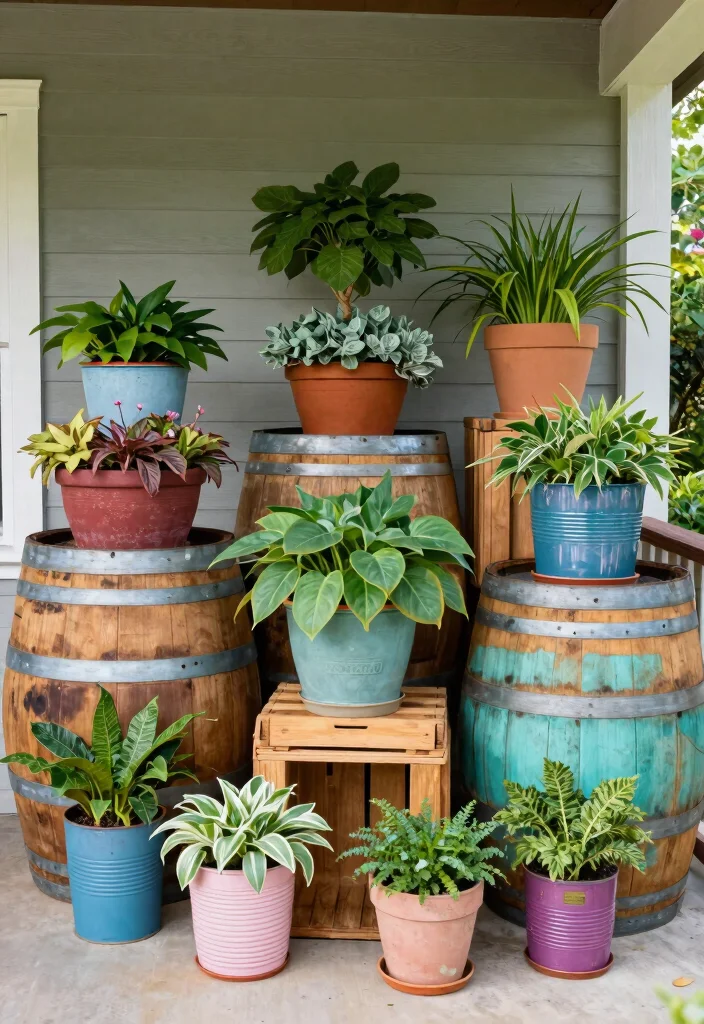
Unleash your creativity with DIY container gardens that showcase your personal style. Repurposing old items like wine barrels, wooden crates, or tin cans can result in unique planters that reflect your taste.
The beauty of DIY lies in your ability to tailor each piece, whether you prefer a rustic, modern, or eclectic look. Carefully select your shade-loving plants, mixing textures and colors for added depth. Incorporate items like moss or decorative stones to enhance your arrangements, transforming each piece into a work of art that tells a story!
To kick off your DIY journey:
– Use waterproof liners to ensure plant health.
– Host a DIY planter-making day with friends for a fun, creative gathering.
11. Elegant Stone Planters
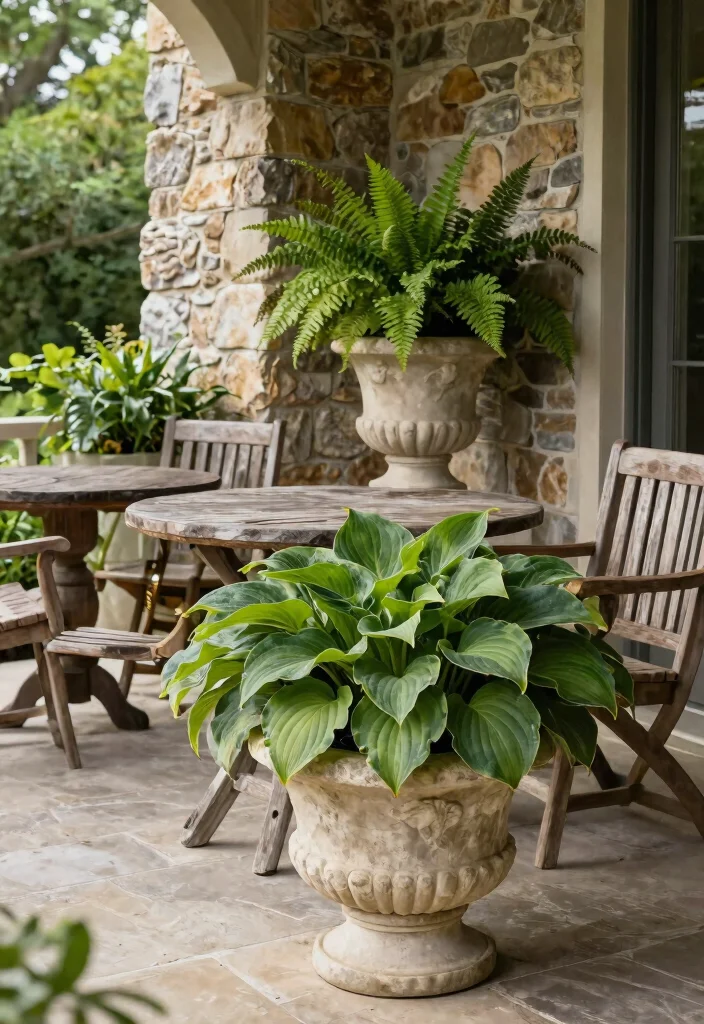
Stone planters introduce sophistication to your north-facing porch while harmonizing with nature. Their weight and durability make them ideal for long-term use, adding a touch of elegance.
Select stones in natural hues and textures that complement your environment. Fill these planters with refined shade-loving plants like hostas, ferns, or dwarf hemlocks for a polished look. Position larger stone planters in prominent areas as focal points, and use smaller ones on tables or ledges for subtle charm.
Tips for enhancing stone planters:
– Emphasize the natural stone color palette to showcase your plants.
– Surround your stone planters with smaller decorative stones for extra beauty.
12. Colorful Mosaic Pots
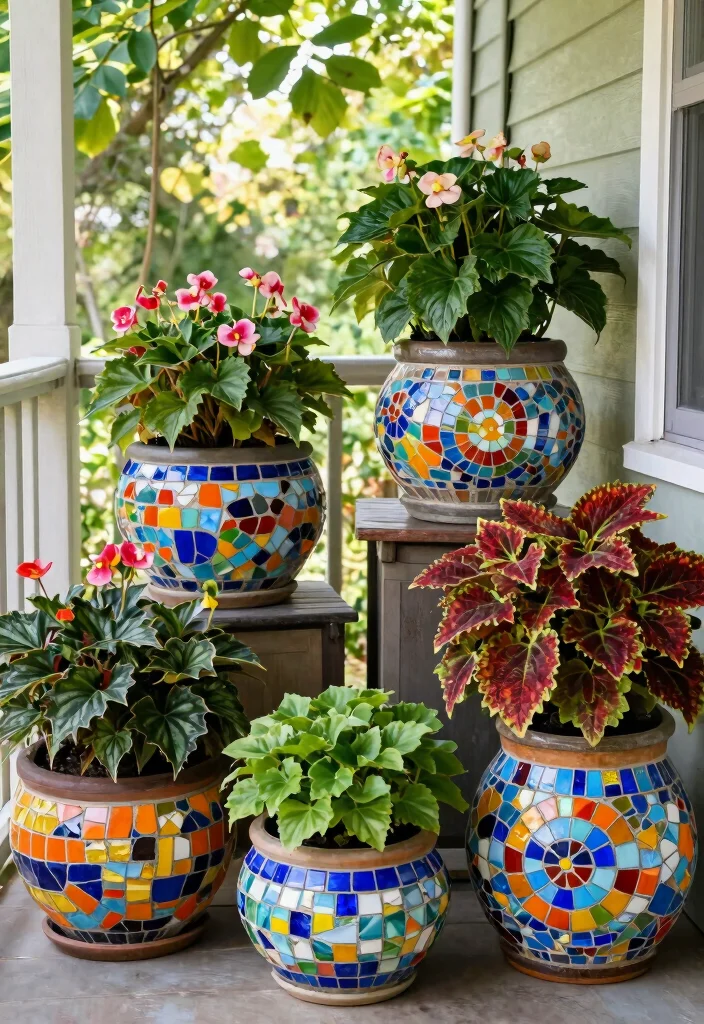
Mosaic pots add a vibrant splash to your shade flower collection. With a mix of colors and patterns, they breathe life into your north-facing porch. These pots feature a captivating blend of glass, tiles, or stones embedded in their surfaces.
Fill these cheerful pots with shade-loving blooms like begonias or coleus that complement their colorful designs. As an added benefit, the mosaic surfaces can help reflect light, brightening up shaded areas.
To make the most of mosaic pots:
– Mix and match different mosaic patterns for a playful look.
– Display smaller mosaic pots on tables or elevate them at varying heights for added interest.
Fun fact: Mosaic pots can reflect up to 20% more light onto shaded areas, brightening north-facing porches. Pair these shade flower pots with blooms like begonias or coleus for instant color.
13. Versatile Rubber Planters
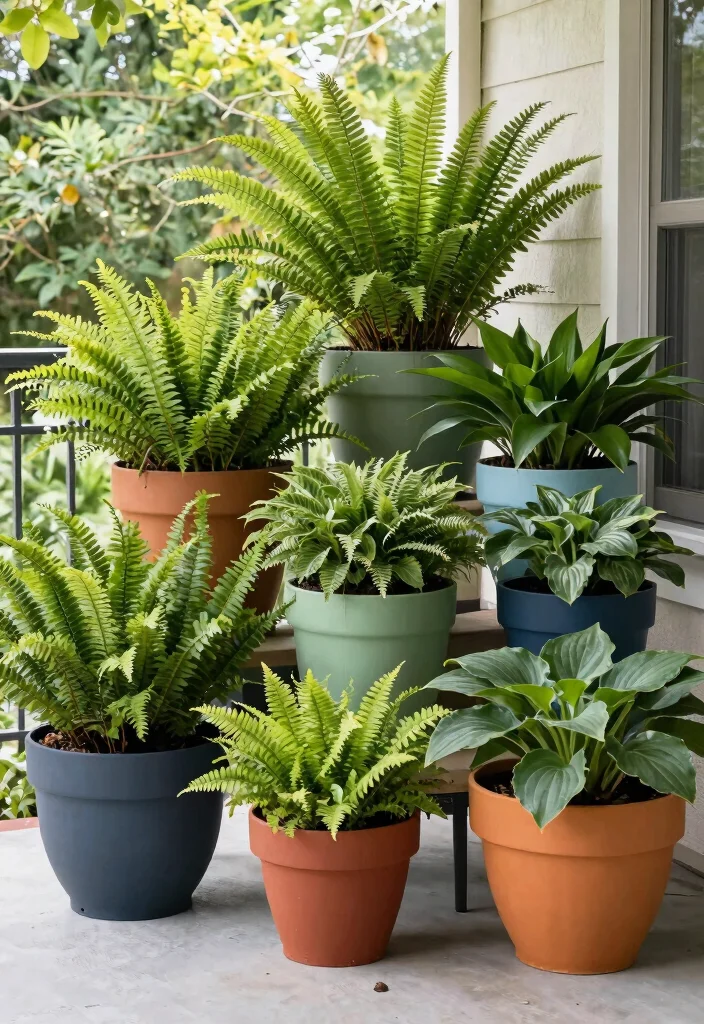
Rubber planters are an overlooked choice for adding style to your porch. They come in various colors and shapes, offering a practical and fashionable option for gardeners. Lightweight and durable, rubber pots are easy to rearrange and withstand outdoor elements well.
Fill them with a variety of shade-loving plants like ferns and hostas, ensuring proper drainage by adding stones at the bottom. These pots can lend a modern touch to your porch while remaining functional and stylish.
Tips for using rubber planters:
– Choose options with drainage holes for healthier plants.
– Combine different shapes and colors for a fun, eclectic display.
Fun fact: Rubber planters are up to 60% lighter than ceramic pots, making porch rearranging a breeze. Fill them with ferns and hostas, add stones for drainage, and enjoy stylish, durable shade flower pots that stay versatile all season.
14. Dynamic Combo Containers
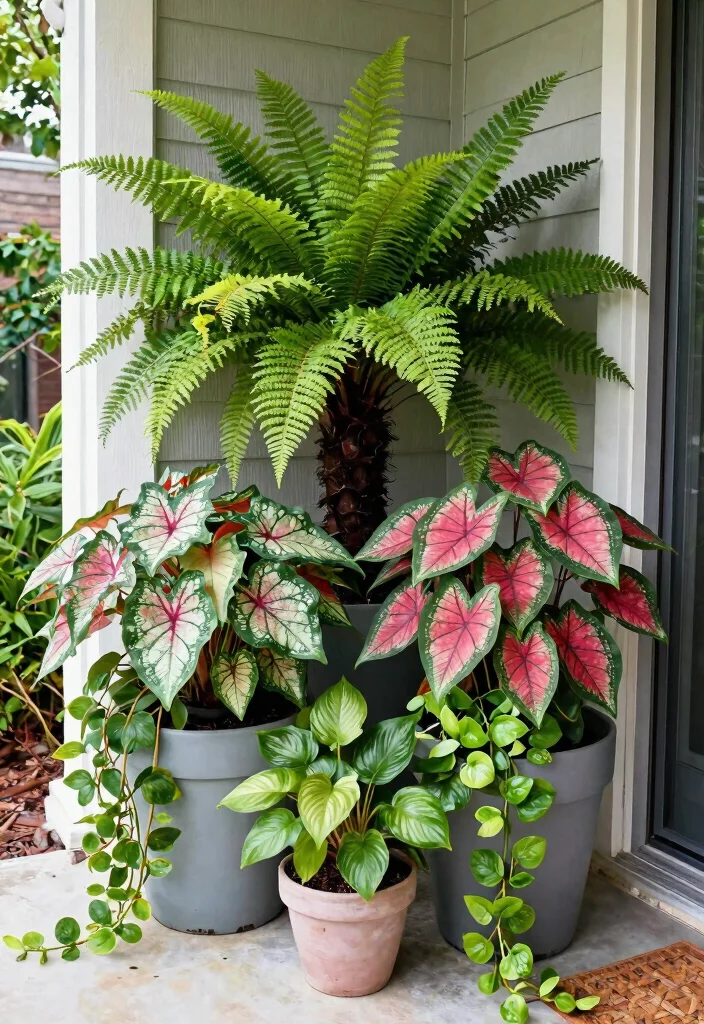
Combo containers allow you to create stunning arrangements with multiple types of shade-loving plants all in one pot. This method emphasizes layering and contrasting textures and colors for visual intrigue.
Start with a tall centerpiece, like a fern, surrounded by fillers like caladiums, and finish with trailing plants like creeping jenny cascading over the sides. Choosing plants that complement each other ensures they thrive together, enhancing your arrangement’s overall health.
To create an eye-catching combo container:
– Select plants with similar light and water needs for easier care.
– Add small rocks at the base to improve drainage while enhancing visual appeal.
15. Seasonal Splendor with Temporary Pots
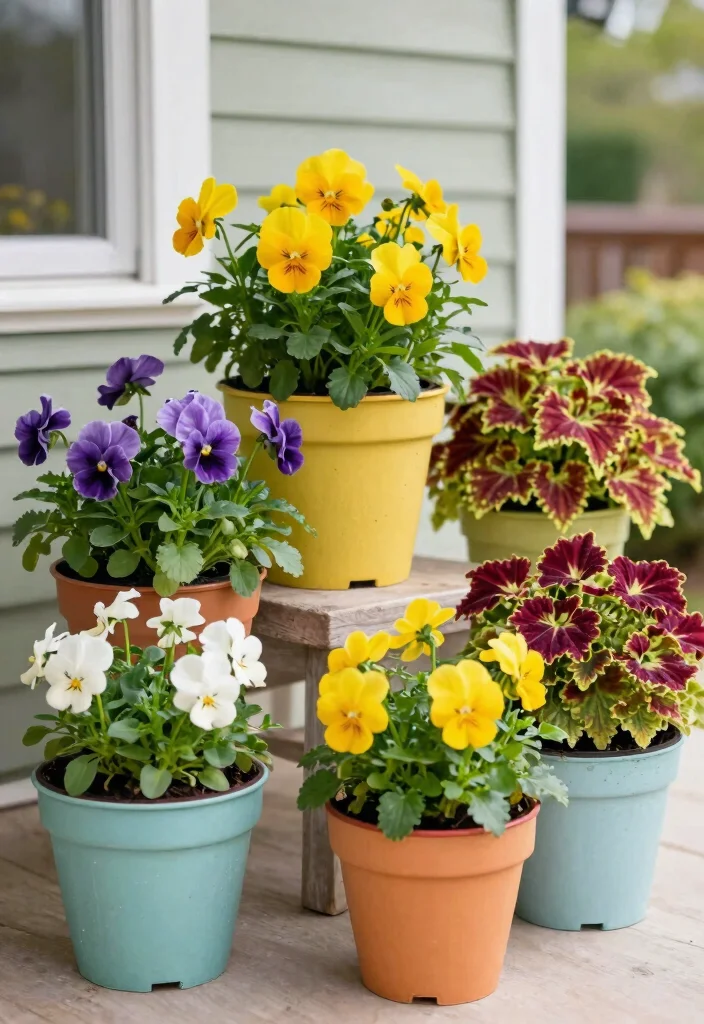
Temporary pots give you the freedom to change your shade flower arrangements with the seasons, keeping your porch feeling fresh and inviting. Use seasonal flowers like pansies in spring or coleus in summer for a lively touch.
Select lightweight containers, whether ceramic or plastic, that offer good drainage for easy movement. This approach allows for simple plant rotation depending on the seasons, letting you explore new combinations throughout the year.
To enhance your seasonal transitions:
– Keep a planting schedule to streamline changes.
– Choose colorful pots that align with the season for an extra festive touch.
Conclusion
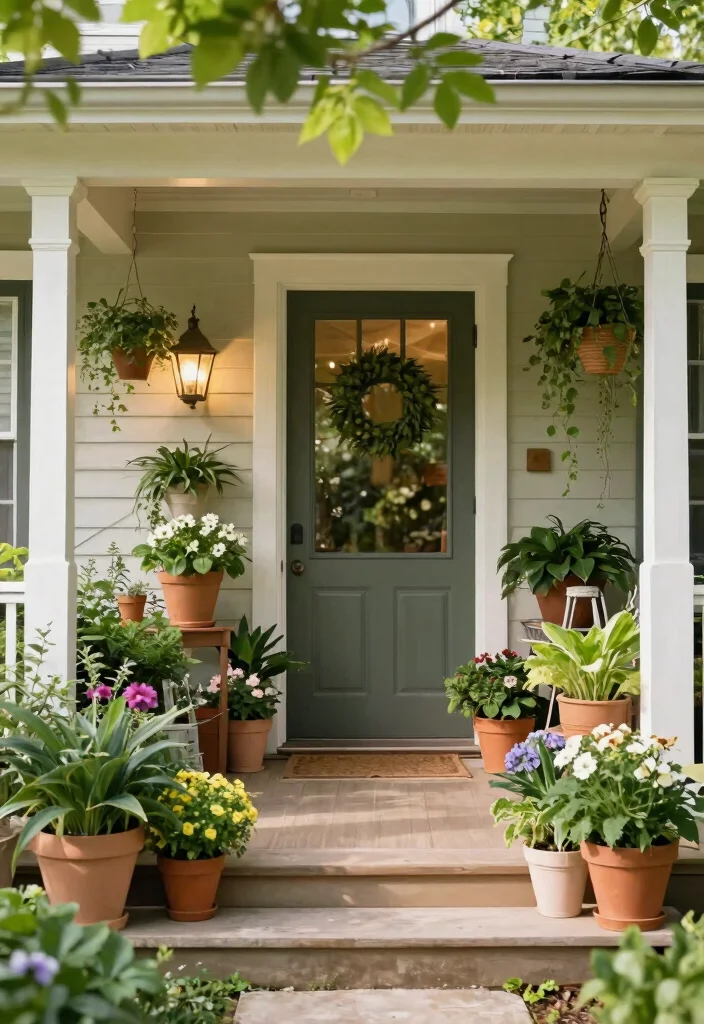
Creating a lush, inviting north-facing porch is entirely possible with the right shade flower pots and plants. From whimsical wicker to elegant stone, there are countless ways to express your style while accommodating plants that thrive in low light.
So, gather your materials, pick your favorite plants, and let your creativity shine. Your porch can become a vibrant retreat that welcomes nature right to your doorstep!
Note: We aim to provide accurate product links, but some may occasionally expire or become unavailable. If this happens, please search directly on Amazon for the product or a suitable alternative.
This post contains Amazon affiliate links, meaning we may earn a small commission if you purchase through our links, at no extra cost to you.
Frequently Asked Questions
What are the best shade-loving plants for shade flower pots on a north-facing porch?
On a north-facing porch, pick shade-loving perennials and a few complementary annuals for year‑round interest. Good options include hostas, heuchera (coral bells), astilbe, pulmonaria (lungwort), and small Japanese painted ferns, which all thrive in low light.
For extra color, add shade-tolerant annuals such as begonias or impatiens as accents. Use a high-quality, well-draining potting mix and a pot with drainage to prevent soggy roots.
Position pots where they receive bright indirect light or near a sunlit window, and keep soil evenly moist but not waterlogged for healthy growth.
How can I design flower pot designs to maximize light and interest on a north-facing garden porch using shade flower pots?
Designing flower pot designs for a north-facing garden porch is about light, texture, and layering. Start with light-colored pots to bounce limited light and use a mix of heights: tall astilbe or fern in back, mid-height hosta or heuchera, and trailing accents like ivy or small grasses.
Group several pots near the doorway for impact, rotate plant selections seasonally, and keep a cohesive palette of shade-loving plants so the display reads well in low light.
Always ensure drainage is clear and use a rich potting mix so moisture is retained without becoming soggy.
What are common mistakes when growing shade-loving perennials in shade flower pots on a north-facing porch?
Common mistakes include assuming shade means low maintenance, choosing plants that actually need more light, or using pots that are too small for mature roots.
Other pitfalls are poor drainage, keeping soil consistently soggy, or letting it dry out completely during dry spells; mismatching plants with very different water needs; and neglecting winter protection for perennials in pots.
How often should I water and fertilize shade flower pots on a north-facing porch?
Water when the top inch of soil dries and keep shade-loving plants in a condition of consistent moisture, especially in warm spells on a north-facing porch.
Check pots daily during heat waves and scale back watering in cooler months. Fertilize with a balanced, slow-release formula in early spring and lightly every 4–6 weeks during the growing season; avoid high-nitrogen mixes that can encourage too much foliage and little bloom.
Can I mix shade-loving plants and annuals in the same shade flower pot for a longer blooming display?
Yes, you can mix shade-loving plants with annuals to extend color, as long as you match light and water needs. Use a perennial backbone like hosta and heuchera with color accents from impatiens or begonias. Add a trailing element such as ivy for year‑round texture, and refresh the annuals each season while keeping the soil fresh and well‑drained.
Related Topics
shade flower pots
porch gardening
container gardening
shade-loving plants
north-facing garden
flower pot designs
easy gardening tips
beginner friendly
outdoor decor
seasonal gardening
perennial favorites
small space gardening